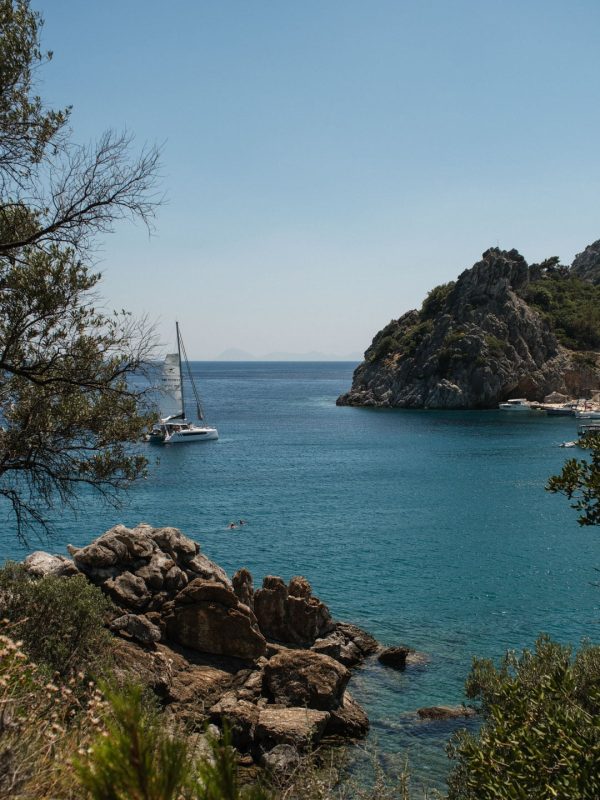
Separating the waters of the Aegean and Mediterranean Seas, with its winding roads through pine forests and unique character, Datça is one of the most special corners of Muğla. It stands out not only for its famous clear bays but also for its almond trees, stone-house architecture, and rich history. Located at the very tip of the peninsula, where the two seas meet, the ancient city of Knidos was one of the most important centers of science and art in history. With its tranquil atmosphere that invites you to slow down and reflect, Datça is also a wonderful destination to escape the crowds, take a deep breath, and in pursuit of simple yet delicious food.
When is the best time to visit Datça?
The beach season in the region stretches from the spring months until the end of autumn, and for some of us, even until the end of the year. As always, we prefer the periods when the crowds have thinned out and the peninsula’s true spirit comes to the fore: namely, May, early June, or late September and October. How you travel to Datça has a significant impact on your holiday experience. It is one of the most remote areas in Muğla; the journey from the centre to Muğla takes two hours. Travelling by car from Istanbul, on the other hand, is an eight-hour-plus journey.
If you are planning to travel by air, the nearest airport to Datça (though, unfortunately, it isn’t all that close) is Muğla Dalaman Airport (DLM). The journey from the airport to the centre of Datça takes around 2.5–3 hours by private car or transfer, due to the winding roads on the peninsula. Milas Airport is a little further away. Another option is to fly into Bodrum–Milas Airport (BJV) and take the ferry to Datça from there. However, for those who, like us, love getting behind the wheel and include their four-legged friends in their travels, this is a fantastic driving route from start to finish. Enjoying the winding roads in your own car is a completely different pleasure. It is possible to arrange a transfer from the airport, but if you have the chance, we recommend hiring a car (as it will also come in very handy once you’re in Datça).
How Many Days Should You Spend in Datça?
As the peninsula’s attractions are spread across a wide area rather than being concentrated in a single location, you really need to set aside at least five days for Datça; in fact, if you stay for a week whilst you’re here, you’ll be able to shake off any travel fatigue you may have picked up on the way. In our view, a week is the ideal length of time to stroll through the cobbled streets of Old Datça, witness that unique sunset at Knidos, and savour the beauty of the stunning coves such as Gıyrap, Palamutbükü, Ovabükü and Hayıtbükü. This way, you can explore the local wines and delicacies whilst taking your time to fully immerse yourself in the peninsula’s unhurried rhythm.
Where to stay in Datça?
Datça, situated where the Aegean and Mediterranean Seas meet, is a place that has wonderfully preserved its character thanks to its famous winding roads and remote location. As the distances between the coves on the peninsula and the roads can be quite tiring, we chose Reşadiye as our base due to its central location, which allowed us to reach everywhere much more easily.
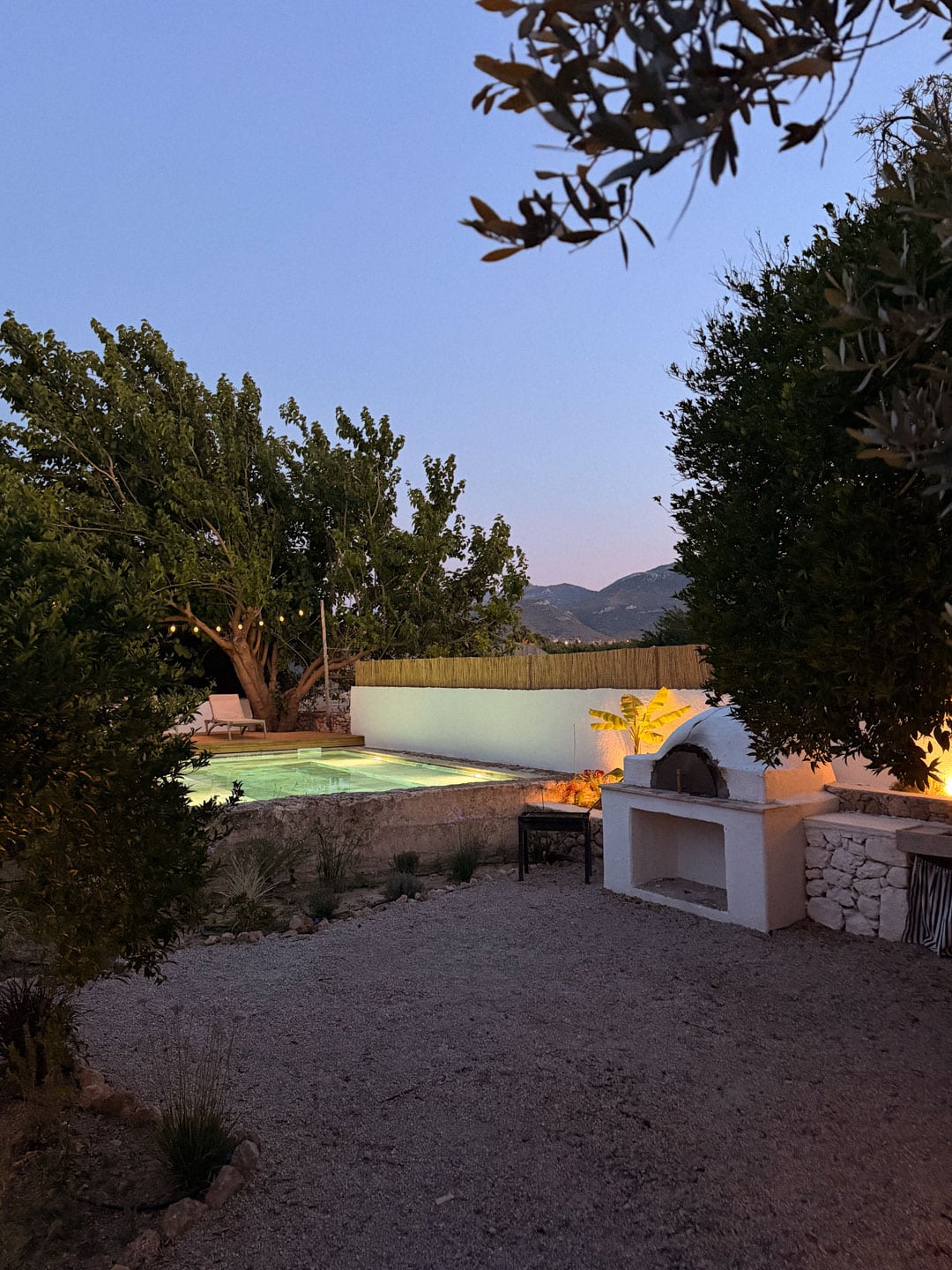
The House in the Mandarin Orange Grove (Reşadiye): Set amidst a vast mandarin orange grove, this restored village cottage for two (Airbnb) became our haven of peace in Datça. The most delightful feature of the property is the stone basin—formerly used for irrigation—which has been transformed into a magnificent swimming pool. With its open-plan kitchen featuring a wood-fired oven, sun loungers and a fully equipped interior—right down to the olive oil—it offers an exceptionally pleasant living space. Situated within walking distance of Reşadiye town centre, this house, with its spacious garden, is the perfect choice for those, like us, who travel with their dogs. Taş Apart (Datça Centre): Those wishing to stay in the centre of Datça and looking for a more affordable alternative may wish to consider this apartment, run by Tuna Bey, the owner of ‘The House in the Mandarin Orchard’, as part of his long-established family business. You can find details of ‘The House in the Mandarin Orchard’ here.



Restaurants and Eateries:
Seafood:
Wine & Cocktail
Breakfast and Bakery:
Cafes:
Historical and Natural Discoveries:
Knidos Ancient City
Can Yücel’s House (closed to visitors)
The streets of Old Datça
Gebekum Tabiat Parkı
Ilıca Lake (Datça Reservoir)
Mehmet Ali Ağa Mansion
The streets of Reşadiye
Beaches and Coves:
Gıyrap Bay
Palamutbükü / Gerence Bay
Kargı Bay
Mendelle Cove
Hayıtbükü
Kurubük
Ovabükü
Kızılbük / Gabaklar Bay
Taşlık Beach
Kızlan Gereme Bay
Bencik Bay
A Historical and Natural Heritage of Datça A Brief Note:
The Datça Peninsula is not just about its unique coves; it also boasts a rich cultural and natural heritage. Watching the sun set at the Ancient City of Knidos—situated at the very crossroads of the Aegean and Mediterranean Seas and historically a centre of science and the arts—is one of the region’s greatest rituals and an absolute must-do in Datça. The streets of Old Datça, famous for their stone houses entwined with bougainvillea, and the Can Yücel House, which keeps the memory of the great poet alive, take you on a leisurely, unhurried journey. The Reşadiye streets, which are home to the magnificent Mehmet Ali Ağa Mansion—one of the region’s best-preserved examples of civil architecture—provide a wonderful backdrop for photographs with their historic charm. For those wishing to see nature’s diverse facets, the wind-sculpted Gebekum Nature Park—home to endemic species—and Ilıca Lake (Datça Reservoir), situated right by the sea and renowned for its healing waters, are extremely pleasant stops that you can add to your itinerary.








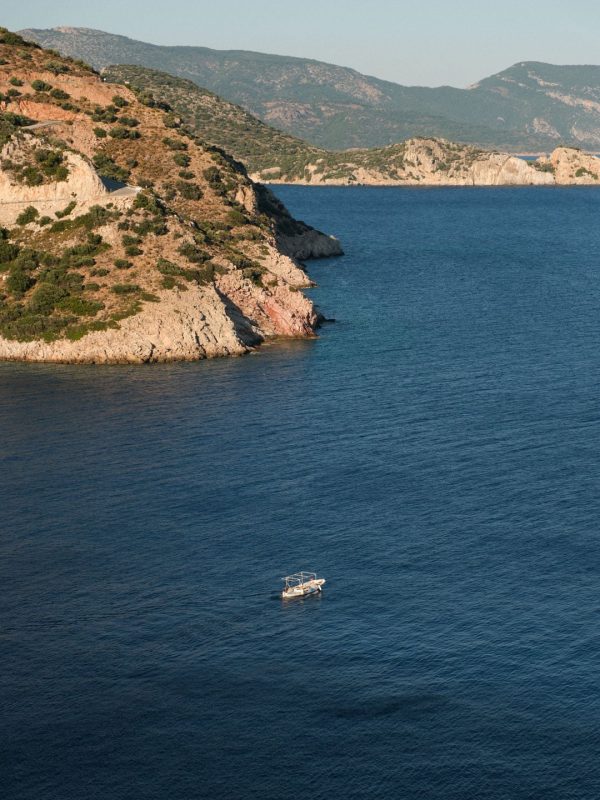
Situated at Cape Tekir (the western tip of Datça), where the Aegean and Mediterranean Seas meet, the ancient city of Knidos is an exceptionally rich and significant Carian settlement whose history dates back to the 2000s BC.
General History and Location
Founded by the Dorians who migrated from the Peloponnese, this city—established after Kos and Rhodes—is the second-known Dorian city after Halicarnassus.
Knidos, which attained great commercial power through wine production and the export of these wines, held a critical position in the Hellenic world from the 6th century BC onwards.
Unfortunately, only a limited number of remains from its ancient splendour have survived to the present day. Some of the valuable artefacts excavated from the city are now on display at the British Museum in London.
As the ancient writer Strabo reports, due to the rugged topography, the city rises almost like a theatre from the coast towards the acropolis rising upwards terraces a14> acropolis towards rising terraces in a series in the form of has been designed.
The fact that the mainland was connected to the islet called “Kap Krio” (Camel’s Neck) by a narrow isthmus gave the city two natural harbors: one for warships in the west and one for merchant ships in the east.
Urbanisation plan in which the streets perpendicular at right angles to one another parallel avenues and streets forming a grid-like (Hippodamos) system was used.
Notable Architectural Buildings Structures
Great Theatre: Located in the east of the city, the stones of this structure were dismantled and taken away to be used in the construction of the Muhammad Ali Pasha Palace and Mosque in Cairo and the Dolmabahçe Palace in Istanbul. Today, only wall remnants remain on the site.
Temple Terraces: The “Round Temple Terrace,” overlooking the city, was formerly attributed to Aphrodite, but recent research suggests it belonged to a different deity. Below this terrace is the Apollo Terrace, where the “Apollo Carneius” festivals were held, featuring seating areas and an inscribed marble altar.
Harbor Street and Stoa: On Harbor Street, approximately five meters wide, stretching from the small harbor towards the city, a cylindrical fountain built for the public by the waterworks director Boulakrates has been unearthed. Within the magnificent stoa, extending to the west and clad in marble with “Opus Sectile” stonework, Roman-era sculptures and inscriptions have been found.
Other Remains: The ancient city site also includes the Pink Temple, built from local pink stone, seven different churches with mosaics and Arabic inscriptions on their floors, and a well-preserved Hellenistic villa on the east side. On the islet (Kap Krio), there are terraced shops and workshops that have been identified as having been used between the 4th century BC and the 5th century AD.
Travel Tips for Visitors
Transportation: Located about an hour’s drive from Old Datça, the roads to the city are very winding, and driving becomes a little more difficult as you approach the ancient city, but of course, this doesn’t stop us from visiting Knidos.
Visiting Hours: Entry to the ancient city is permitted between 08:30 and 19:30 during the season. It closes earlier in the winter months, so please check the current opening hours before visiting.
Sunset and Nature: One of the best activities to do in the area is watching the sunset. The hill where the Deveboynu Lighthouse is located is a popular choice for watching the sunset. Adjacent to the ancient city, there is also a wonderful and pristine bay that can be enjoyed for swimming.
Lighthouse Climb Warnings: Since the climb to the lighthouse takes approximately 30-40 minutes, we recommend those planning the climb wear closed shoes instead of flip-flops. Because the descent will be via a dark path after sunset, a flashlight or a fully charged phone is recommended.




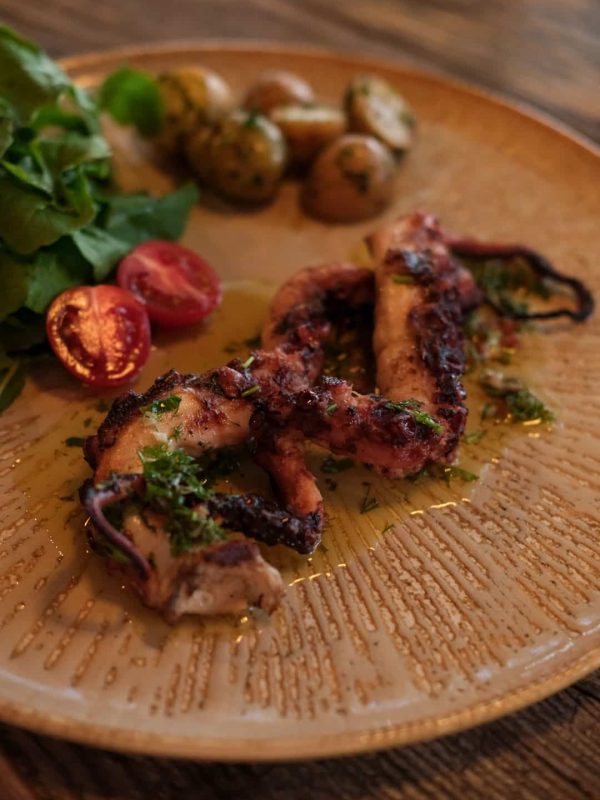

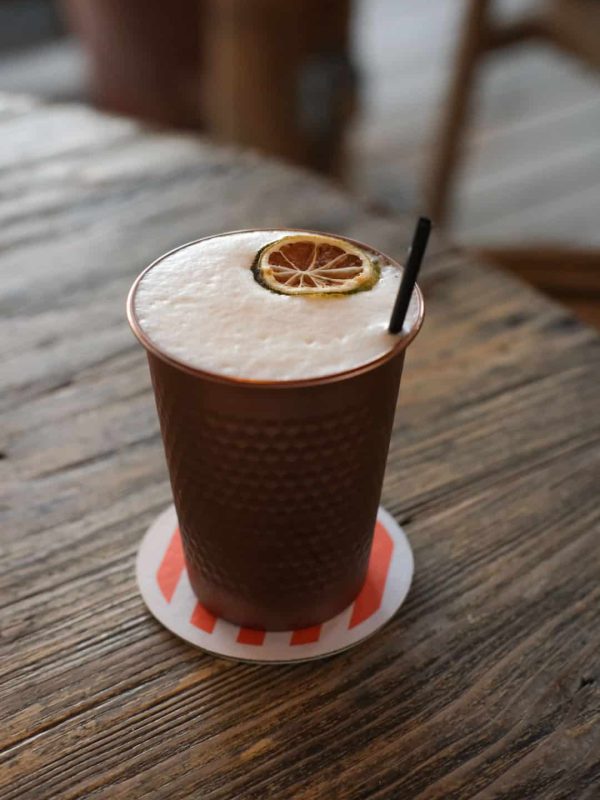
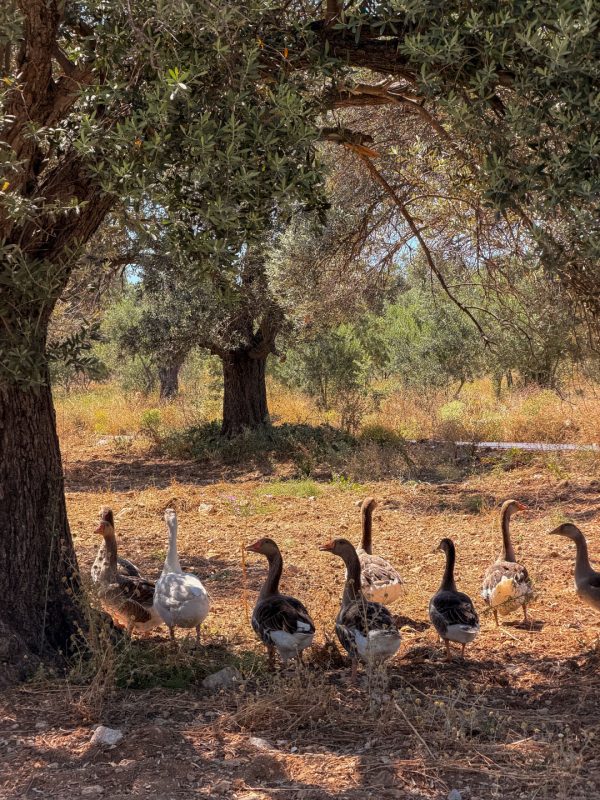
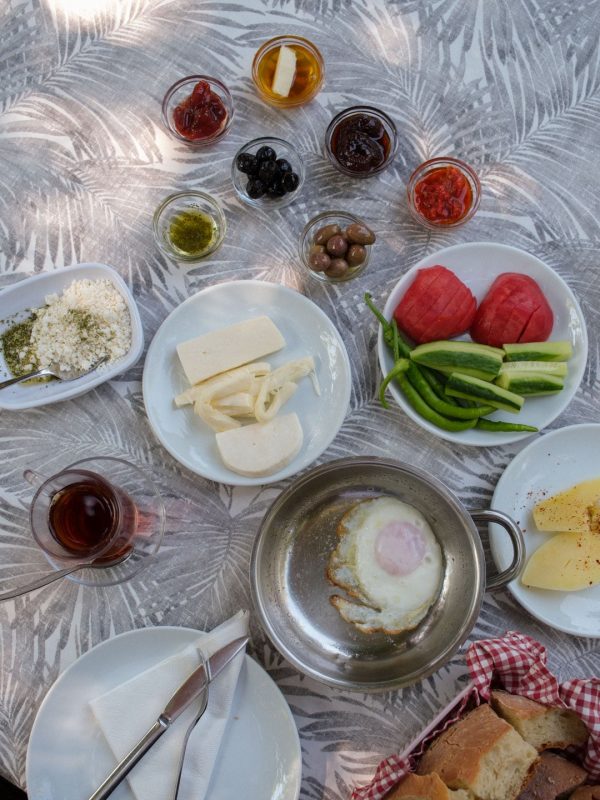
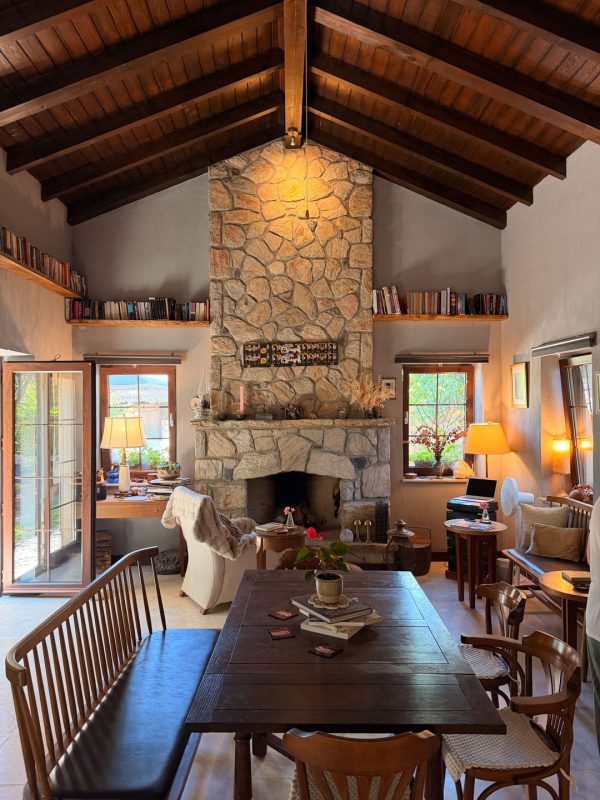

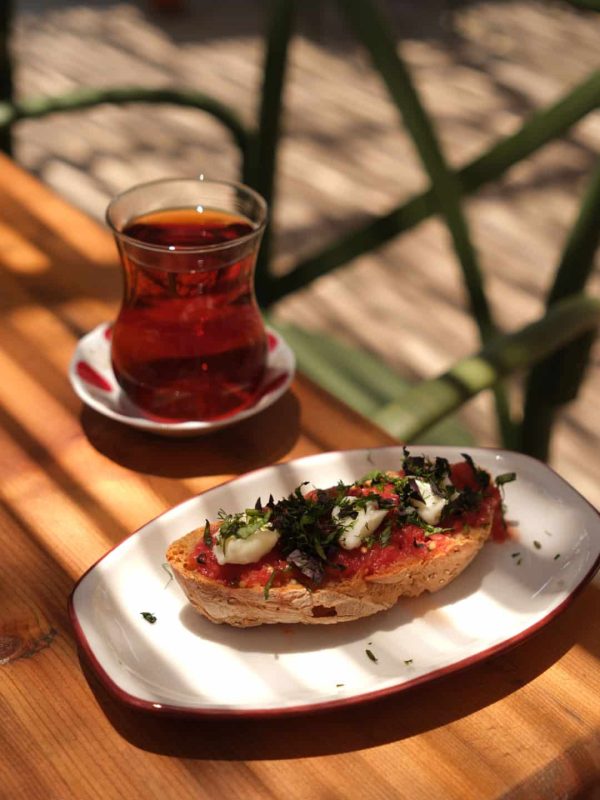


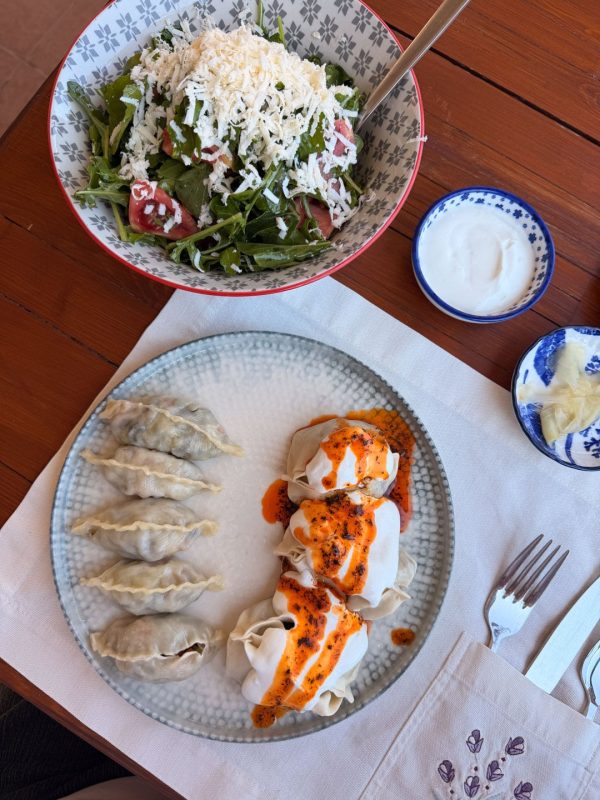

Where to Eat in Datça? Datça Cuisine Recommendations, Restaurant Suggestions
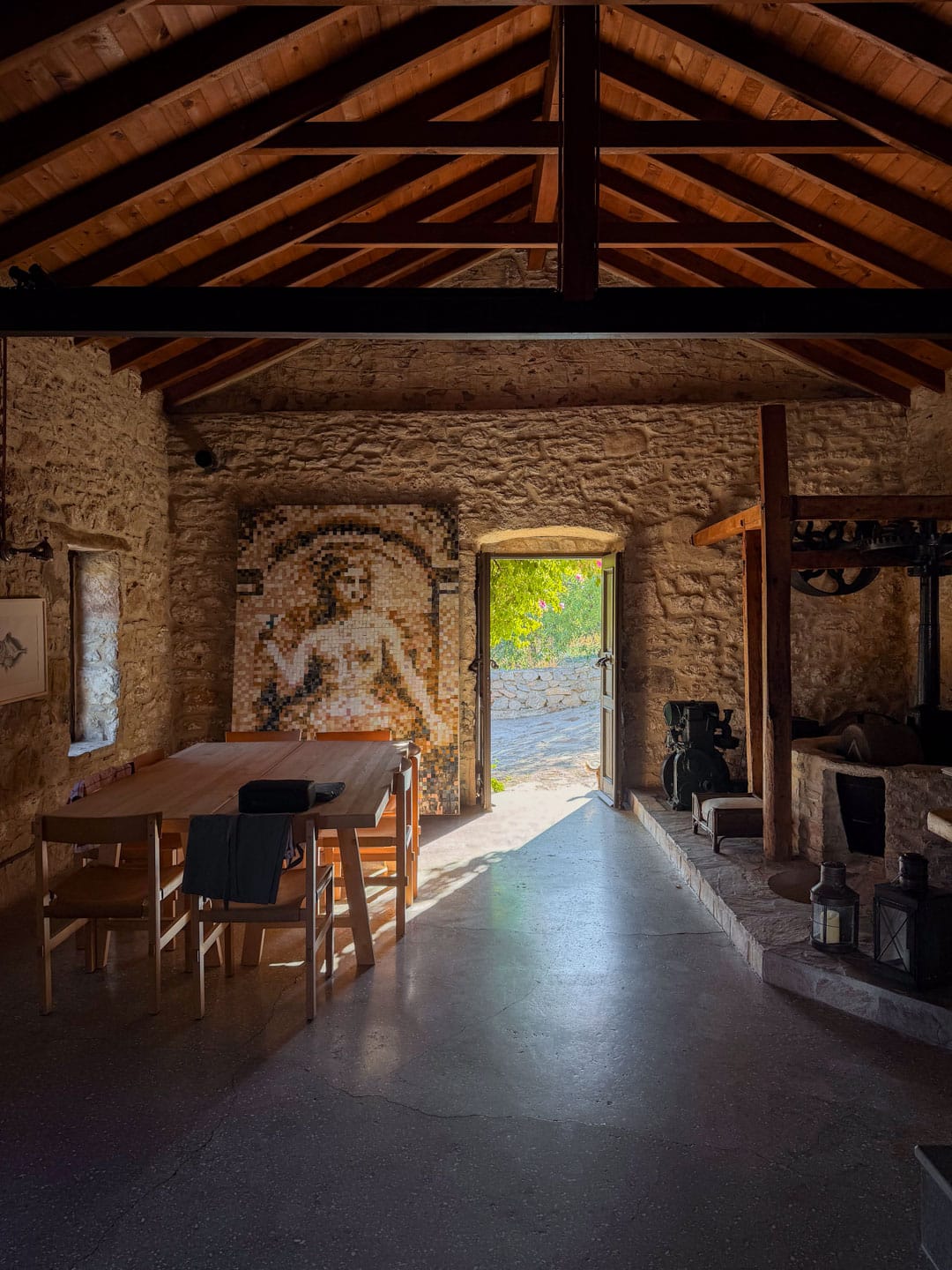
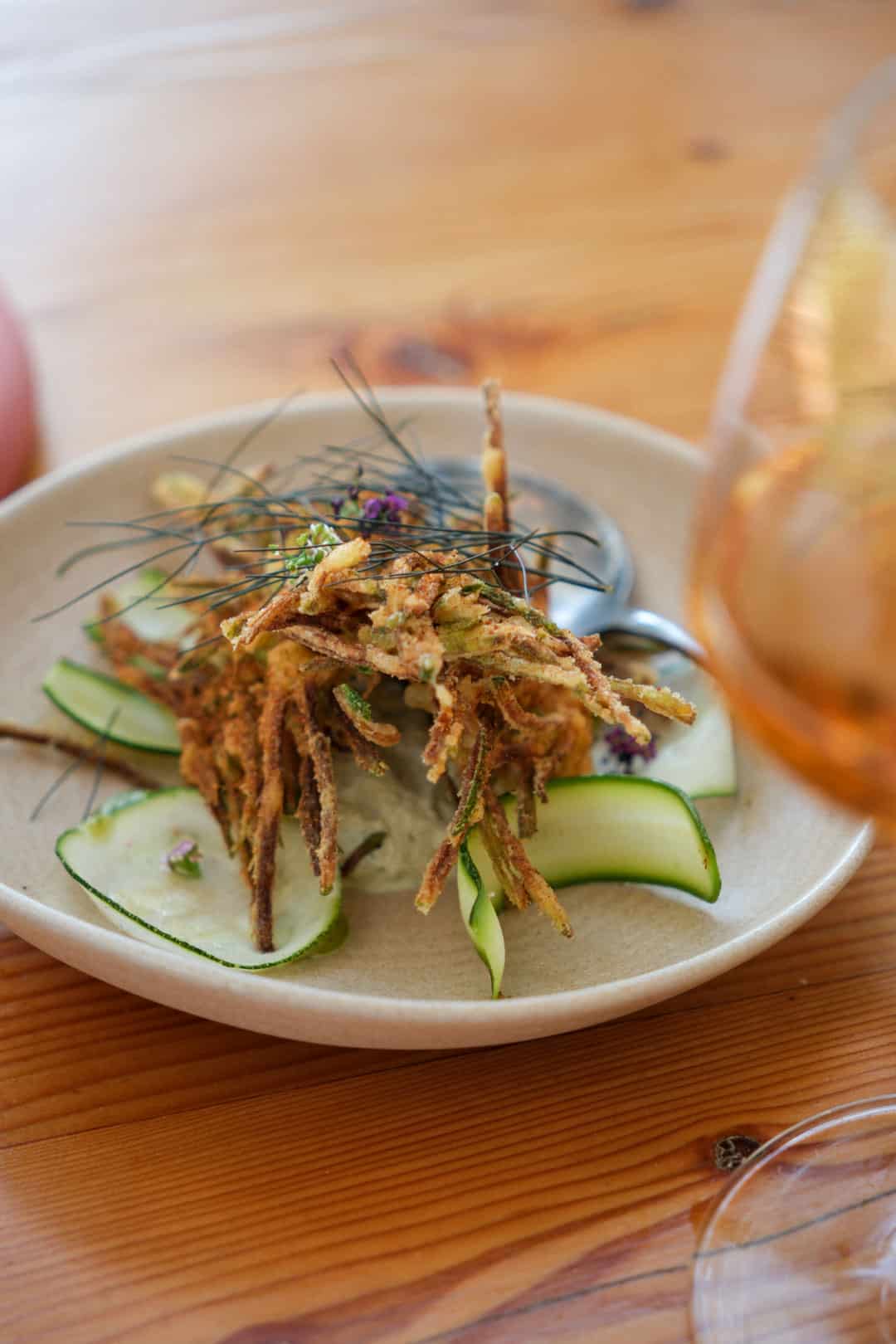
Yakamengen III: Located in Yaka village, approximately 25 kilometers west of Datça center, this is a chef’s restaurant that fully deserves a place on the Michelin recommendation list. Housed in the courtyard of a charming stone building converted from an old olive oil mill, they only serve à la carte in the evenings. Enjoying the creative dishes from a young chef’s kitchen, under the shade of centuries-old olive trees in an extremely pleasant and refined atmosphere, was one of the most special moments of our trip. The meal service begins with the chef’s mouthwatering appetizers. Cherry Marshmallow Stuffed with Rice, Sweet Potato Gnocchi, and Blue Crab Salad were our favorites from the menu. Their cocktails are quite enjoyable, and they also have a good selection of wines to accompany them.
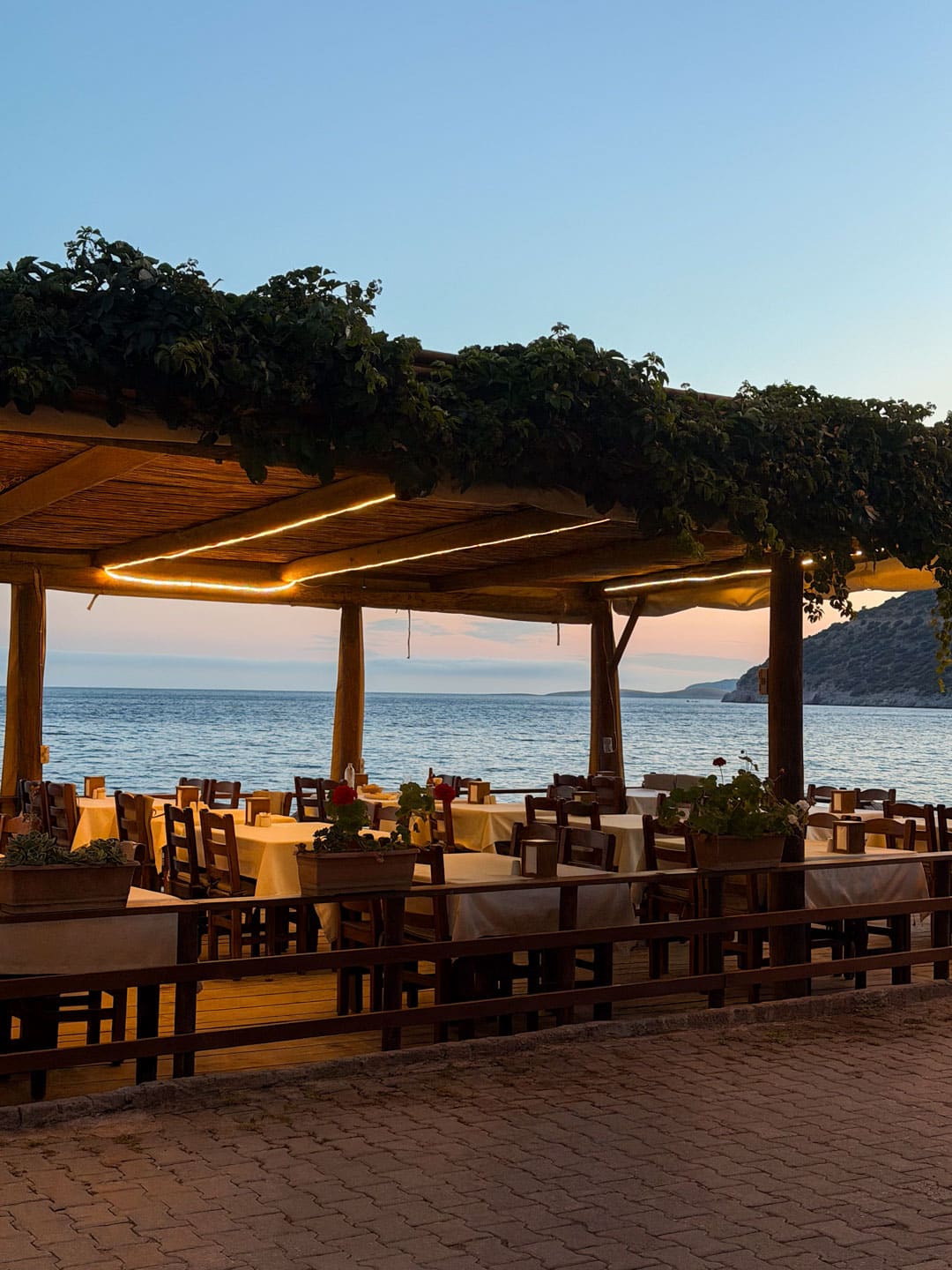
Bizim Ev Datça: A very stylish establishment opening its doors to the calm waters of Kargı Bay, welcoming both beachgoers and outside guests for dinner. The atmosphere, the tables right by the sea, and the signature cocktails are truly excellent. With its spacious and comfortable area, it was a place where we felt very comfortable with our furry friends. To be honest, the flavors need a little improvement to match the restaurant’s ambitious ambiance. They have a modest menu; there aren’t any overly extravagant or unnecessarily overpriced dishes, but the presentation of the food could be a bit more carefully considered.
Tek Buçuk Meyhane: Tucked away in one of Old Datça’s famous cobblestone, bougainvillea-lined alleyways, this tavern offers a truly delightful experience, far from the crowds, with an intimate atmosphere and perfectly prepared mezes (appetizers).
Gani Balık: Located in the nostalgic and lively atmosphere of Datça Pier, this is our favorite fish restaurant in Datça center, offering classic Aegean mezes, perfectly cooked fresh seafood, and excellent service.
Musti Fish Restaurant: Located in the nostalgic and lively atmosphere of Datça Pier, this is our favorite fish restaurant in Datça center, offering classic Aegean mezes, perfectly cooked fresh seafood, and excellent service.
Poyraz Restaurant: Located in the nostalgic and lively atmosphere of Datça Pier, this is our favorite fish restaurant in Datça center, offering classic Aegean mezes, perfectly cooked fresh seafood, and excellent service.
Mayan Datça: After dinner, this venue, situated overlooking the lively yet captivating scenery of the pier, is a wonderful alternative to end the day with good music and the lights of the boats in the marina.
Ruv Datça: Another favorite of ours, located in the pier area and notable for its view. It’s an extremely pleasant stop to enjoy Datça evenings and sip delicious drinks with carefully crafted signature cocktails. We also tried a few dishes here; the dishes could be improved a bit. But it’s definitely worth a visit for the cocktails and the atmosphere.
Kavakdibi: Whether you want to do some work, read a book, or simply enjoy the peace and quiet during the day, this place located in Karaköy is one of our favorite establishments that offers the peaceful atmosphere you’re looking for.
Tales: For those seeking tranquility, another stop is this delightful establishment in Reşadiye. It’s a very pleasant place where you can escape the midday crowds and enjoy a relaxing coffee. Next door, Kahveci İsmail is one of Reşadiye’s iconic spots.
Knidos Winery & Datça Bağ: To discover the unique character that Datça’s windy climate and distinctive terroir impart to local grapes, it’s essential to include the peninsula’s own producers in your itinerary.
Leyla Datça: Nestled within the historic fabric of Old Datça, this elegant venue offers Italian influences amidst stone walls. With its delicious thin-crust pizzas and excellent wine selection, it’s a wonderful option for those seeking a break from local cuisine.
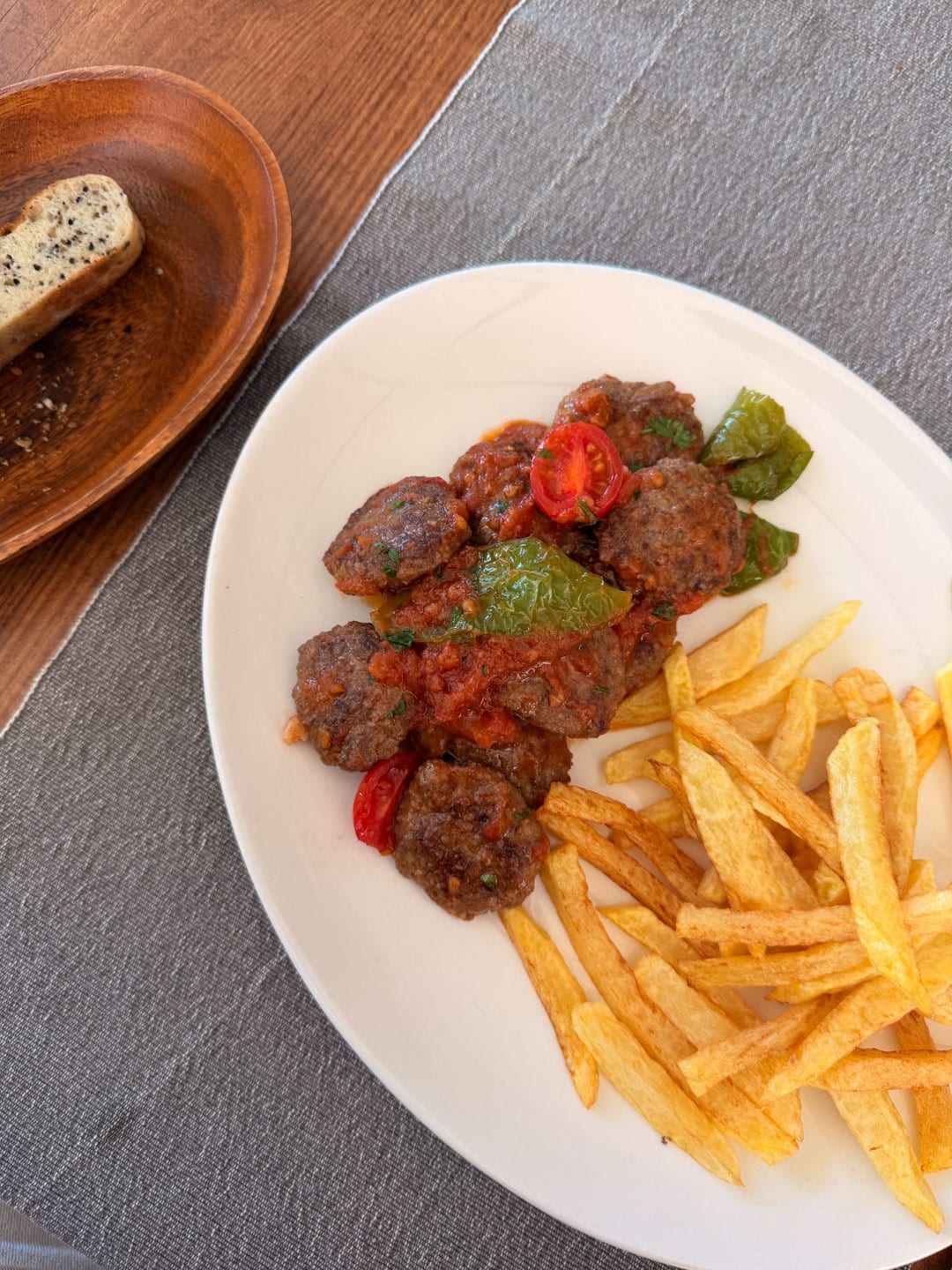
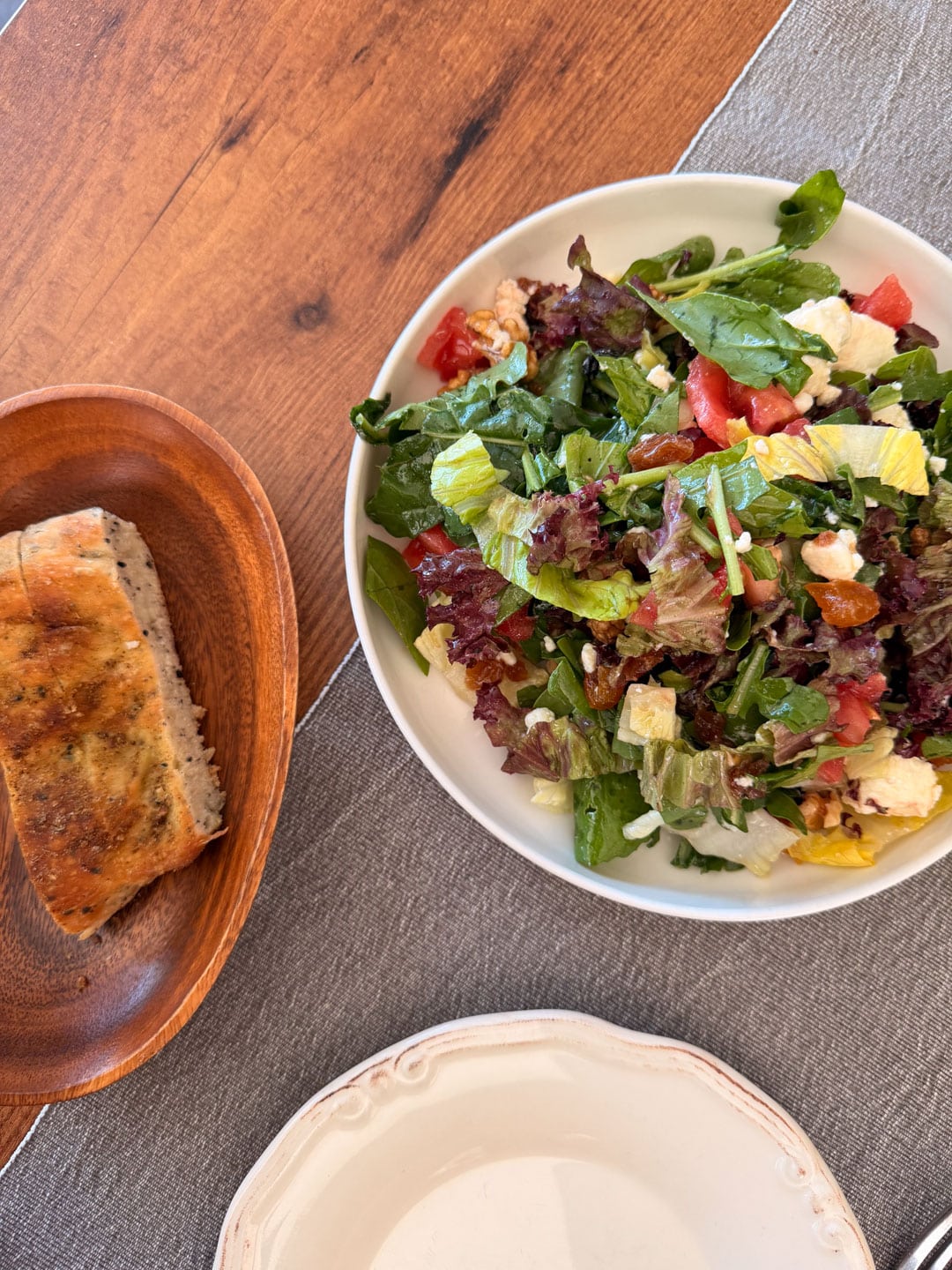
Cafe Inn: While strolling along the Datça coast, you’ll come across this unassuming, casual-looking cafe/restaurant that delivers surprisingly good food. Their hearty salads, made with fresh ingredients, and their “pan-fried meatballs,” which satisfy your homesickness, have become some of our favorites.
Uysal Cafe & Gözleme: A classic spot by the sea, comfortable enough to sit in even with a wet swimsuit. Especially with its homemade gözleme (Turkish flatbread) and mantı (Turkish dumplings), it’s the perfect place on the beach for a quick and satisfying meal. Frankly, compared to the numerous establishments with tables occupying the entire beach in Kumluk, Uysal Cafe has become one of our favorite spots.
Hestia: This restaurant stands out in Datça by bringing a variety of dumplings and dumplings from different corners of the world to the town. You can try different types by ordering small portions of the dumplings. Some of the dumplings had issues with sealing and fell apart, but we also loved some of them. If you’re in the Yaka area around lunchtime, you might want to consider it.
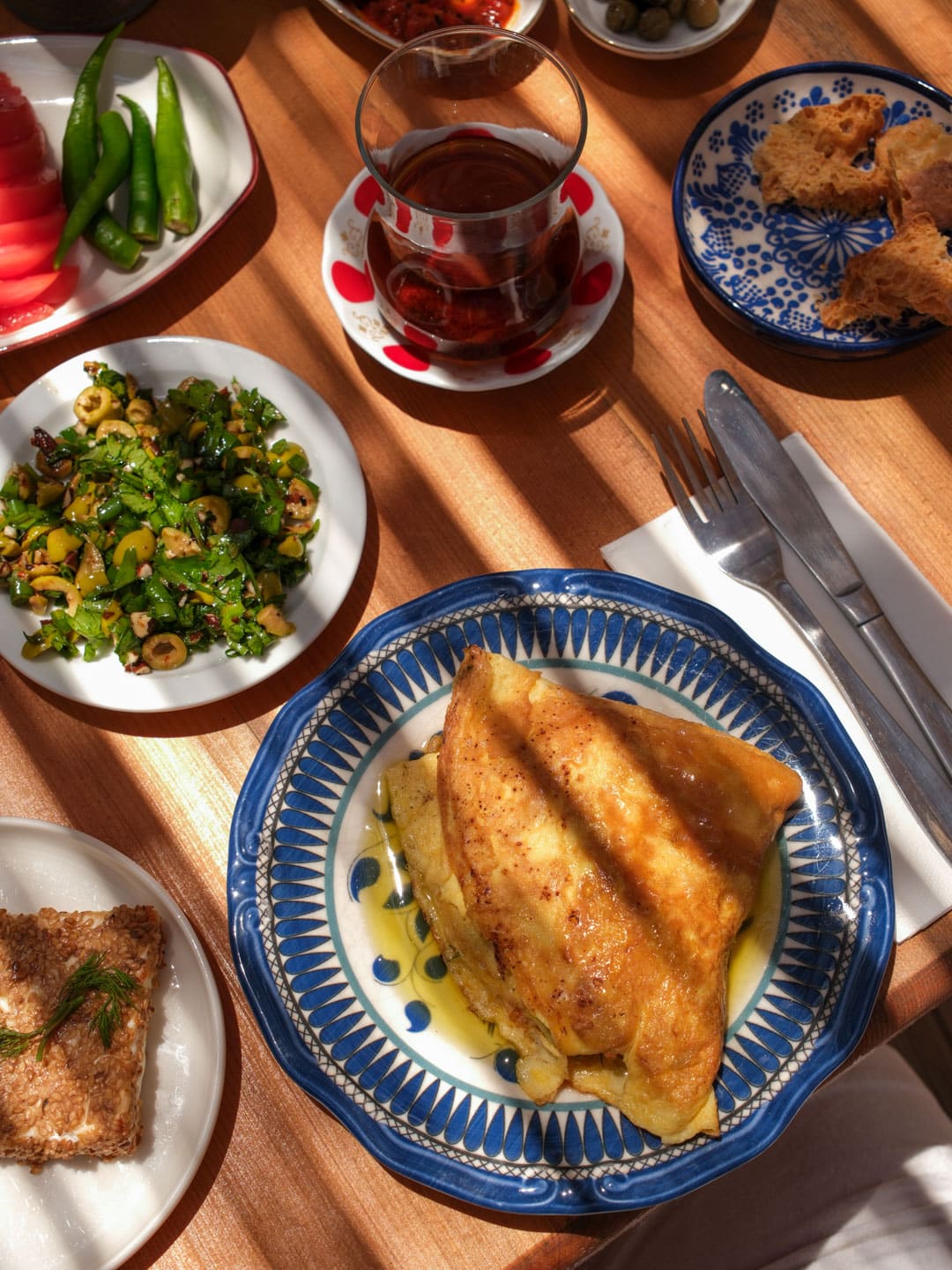
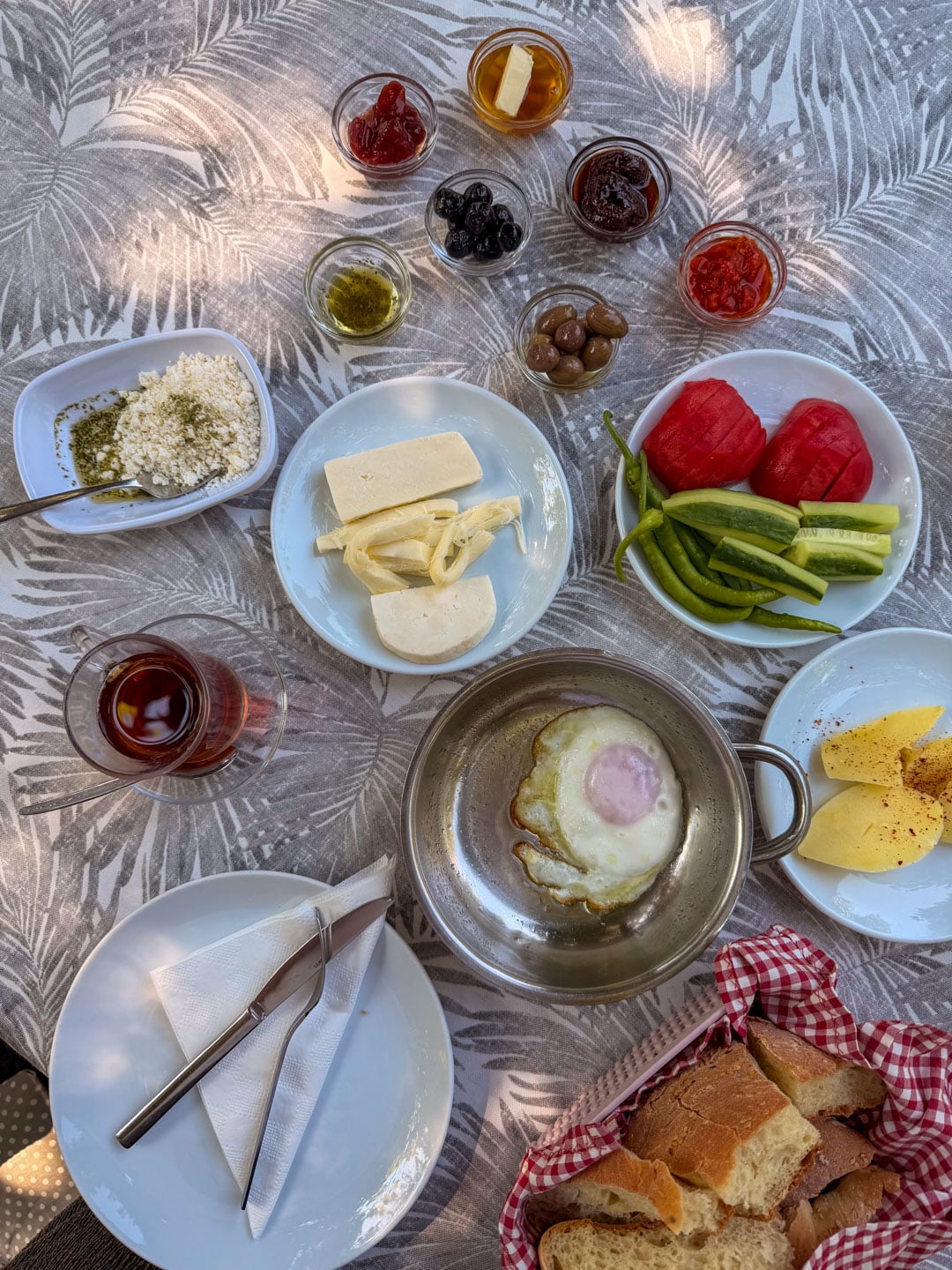
Kıtırak Kahvaltı: Although it’s a bit far from Datça town center, it’s definitely worth the trip, both for the natural setting and the quality of the food served. Their unique flavors, homemade jams, and pastries, setting them apart from classic Turkish breakfast spreads, stole our hearts. While the prices are slightly higher compared to other options in the region, it’s worth noting that the portions are incredibly generous and the ingredients are top-notch.
Rüzgar Kafe: It serves in Reşadiye, under centuries-old trees, in an extremely sweet and shady garden. It became one of our favorite morning stops throughout our trip for a leisurely, peaceful and green start to the day. The breakfast is simple but quite sufficient, it’s a shabby place.
Espadin Artisan Bakery: During our trip to Datça, we tried several different bakeries, but this one was by far our favorite, both for its bread and its delicious pastries. It’s the only place we kept going back to for breakfast, to get something to have with our tea.
Tonka Patisserie: With its spacious, airy, and tastefully decorated garden, it became one of our favorite escape spots in Datça. They offer top-notch desserts, not only visually appealing but also delicious. Moreover, the coffee we had in Datça was by far the best and most balanced. The only downside might be that they only serve during the day. Many thanks to everyone who highly recommended this place to us; it truly deserves all the praise.
Kahve Durakları: While the bar isn’t generally set very high for quality coffee in Datça, we chose the following shops for our coffee break: Noema Coffee, The Grinder Coffee, Sail Coffee, Limpid Coffee & Bistro, and Gurma Cafe.
Datça Gastronomy Recommendations / Muğla Restaurant Recommendations / Datça Travel Guide
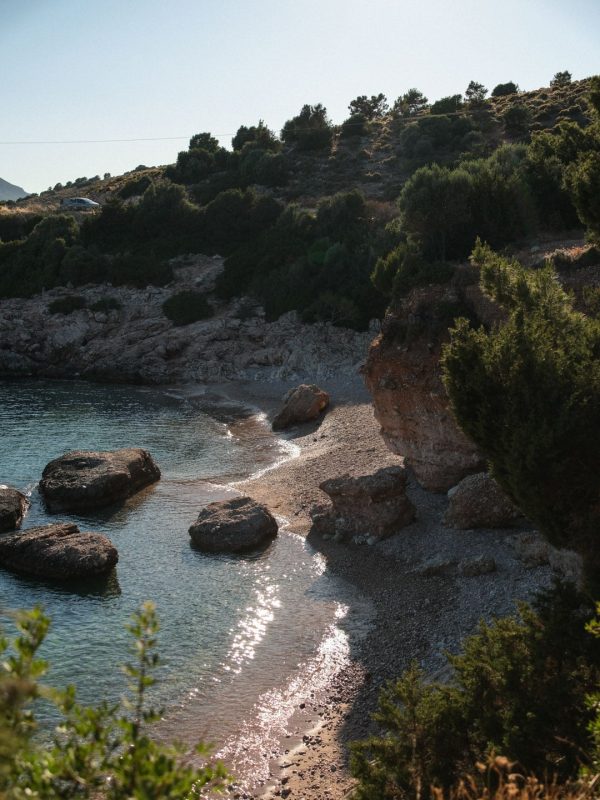
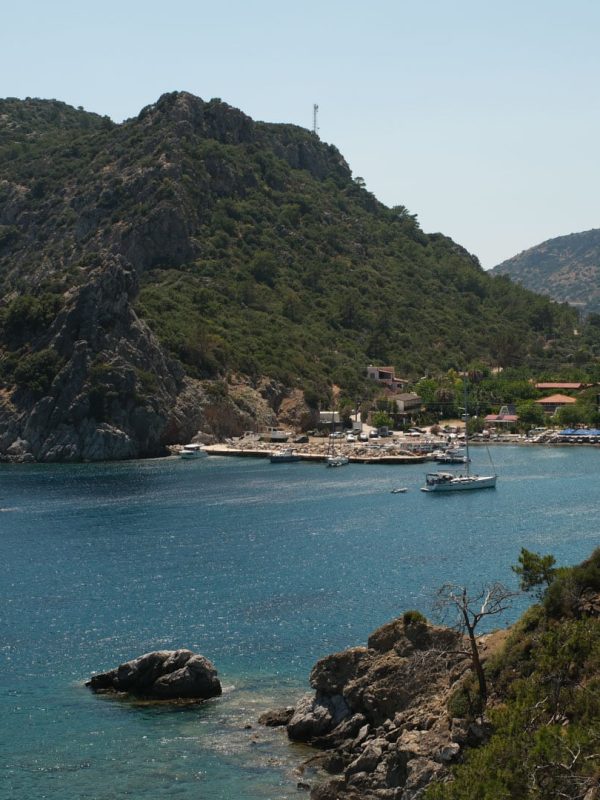
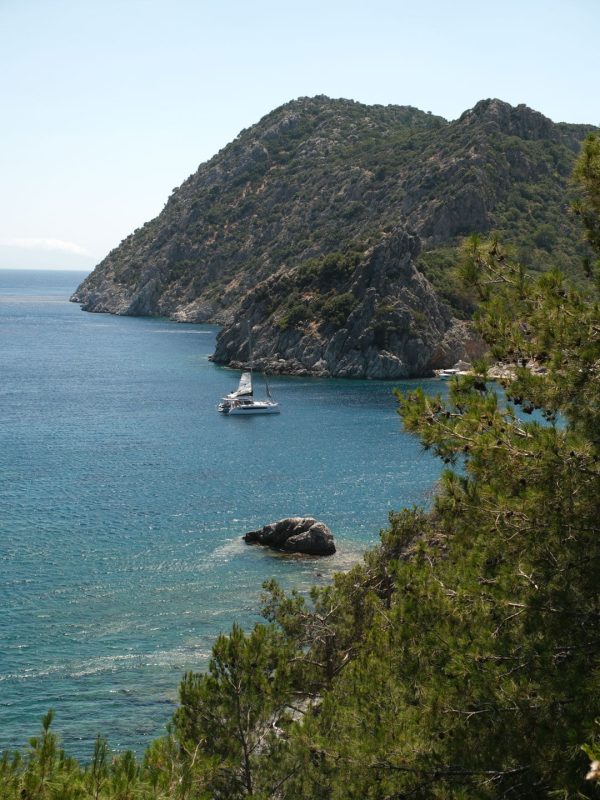
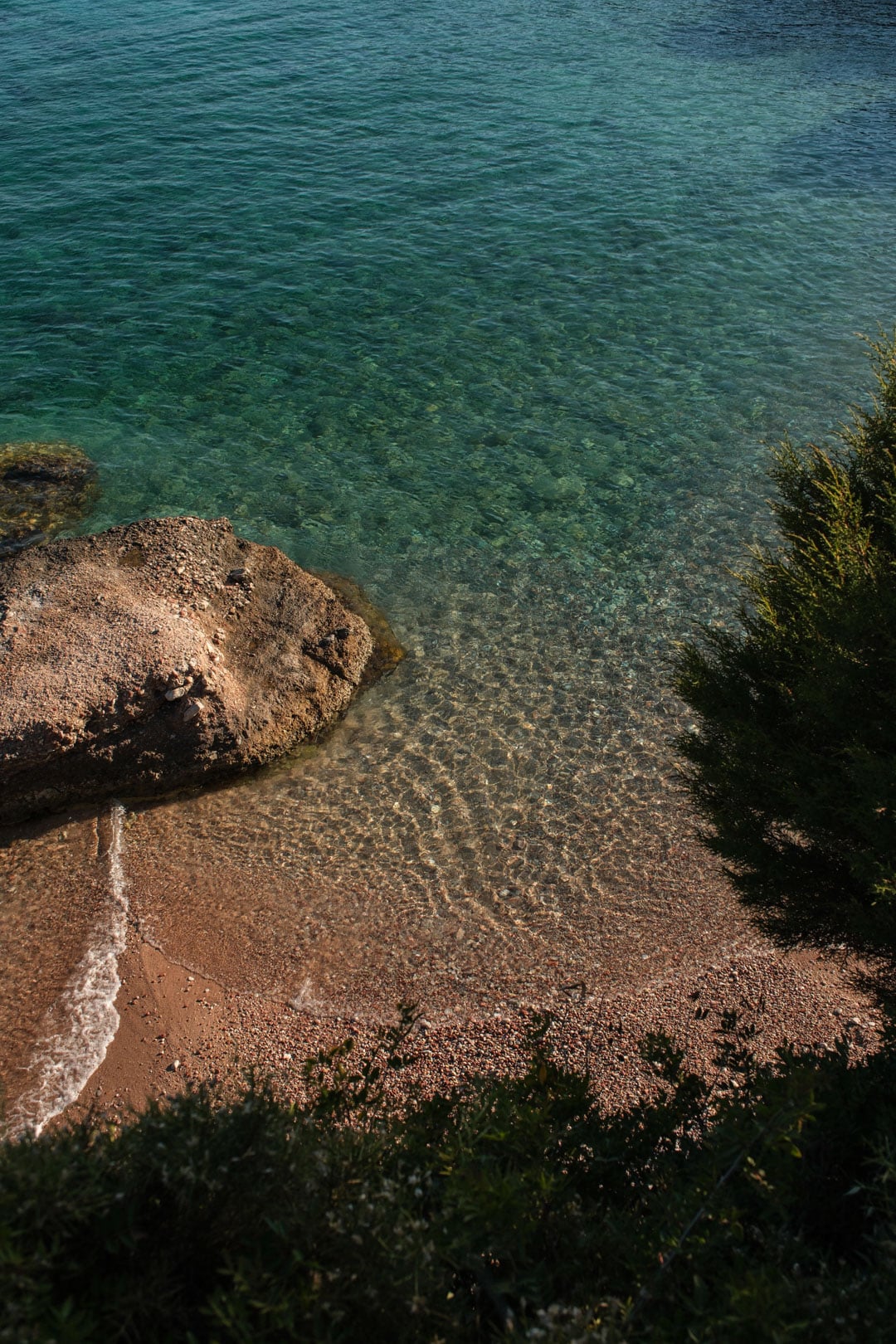
Gerence Bay: The water is cool, rocky, and, as the name suggests, incredibly clear. There are no facilities around, making it perfect for camping and connecting with nature.
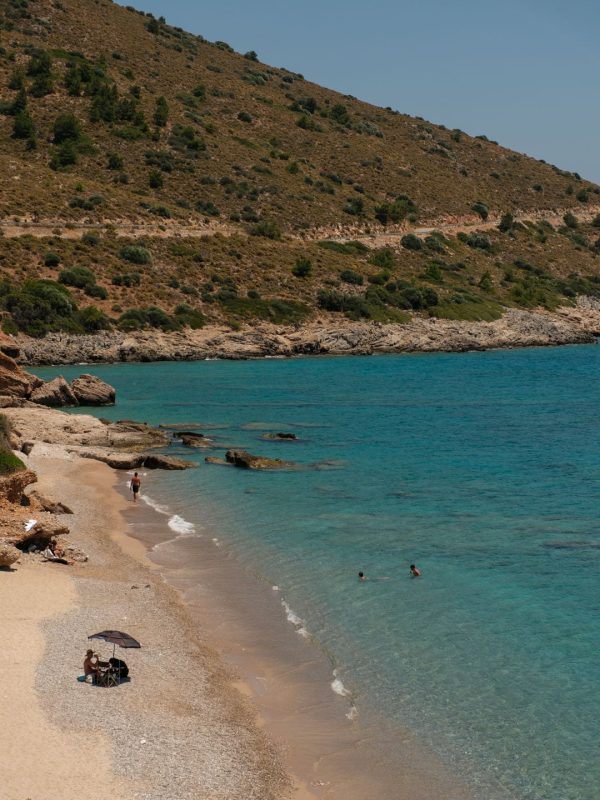
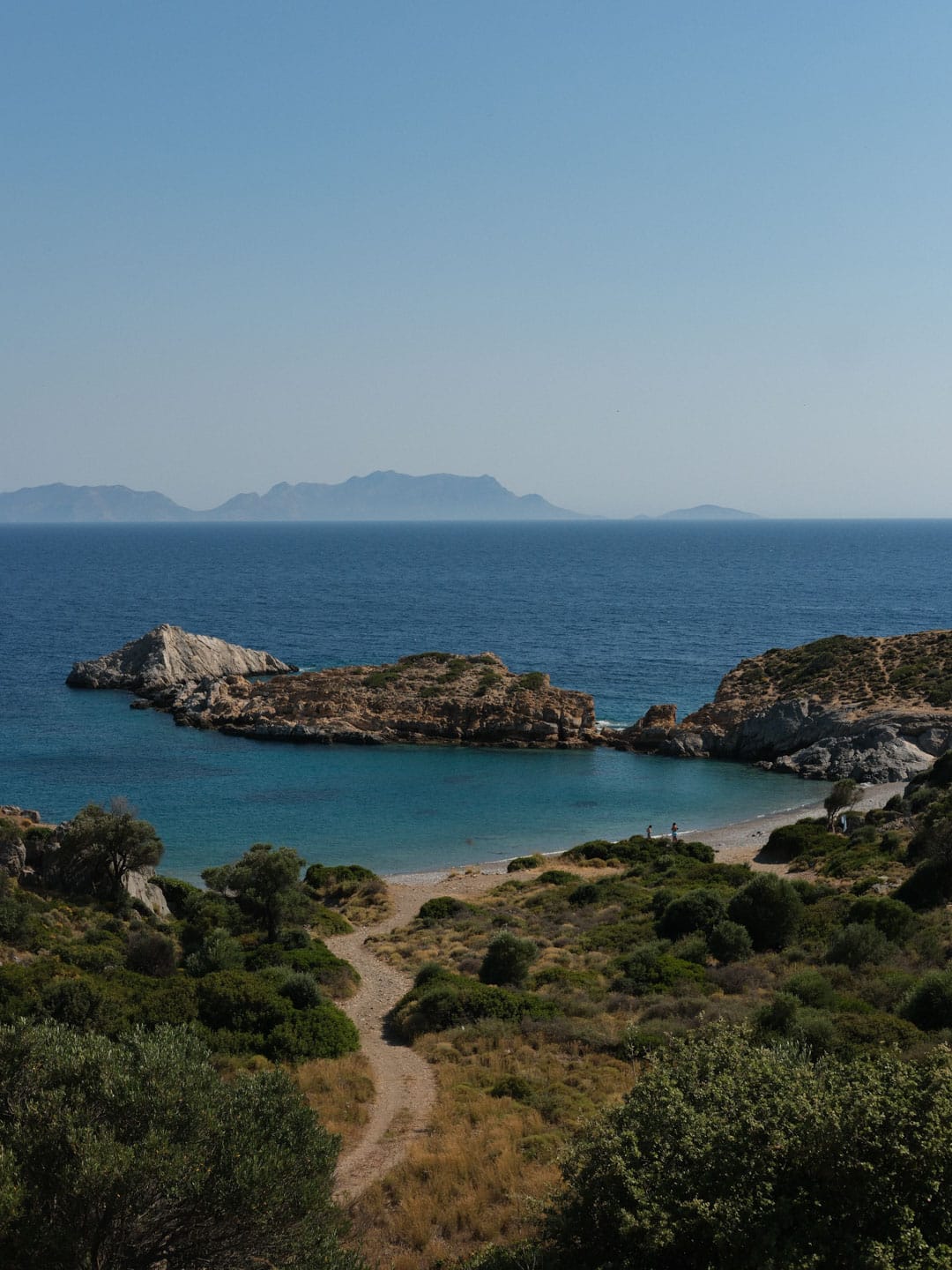
Palamutbükü: A popular area surrounded by olive, almond, and pine trees, it avoids crowds thanks to its long coastline. It has cool, clear waters and a beach with a mix of pebbles, stones, and sand.
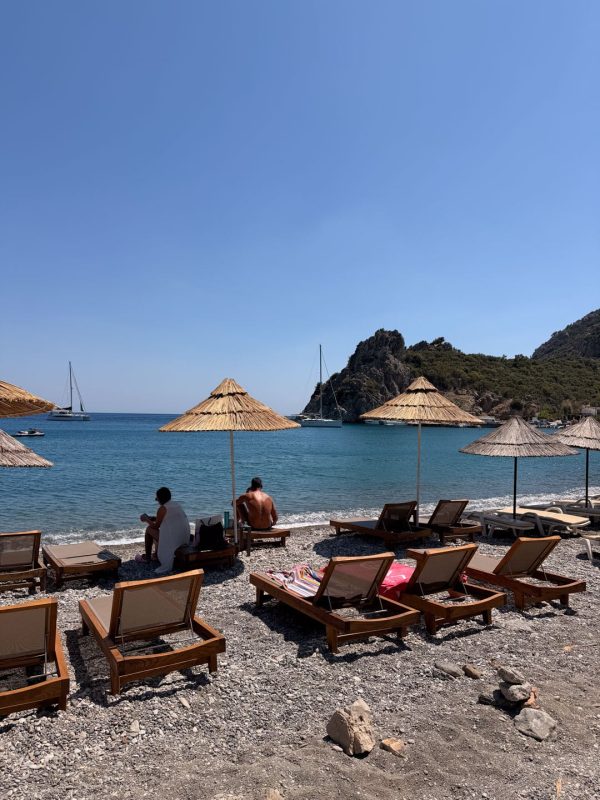
Taşlık Beach: Located in the center of Datça, this blue flag beach boasts shallow, cool waters of a pebble-sand mix. It offers numerous facilities for renting sun loungers, and just behind it lies the Ilıca Pond with its healing waters.
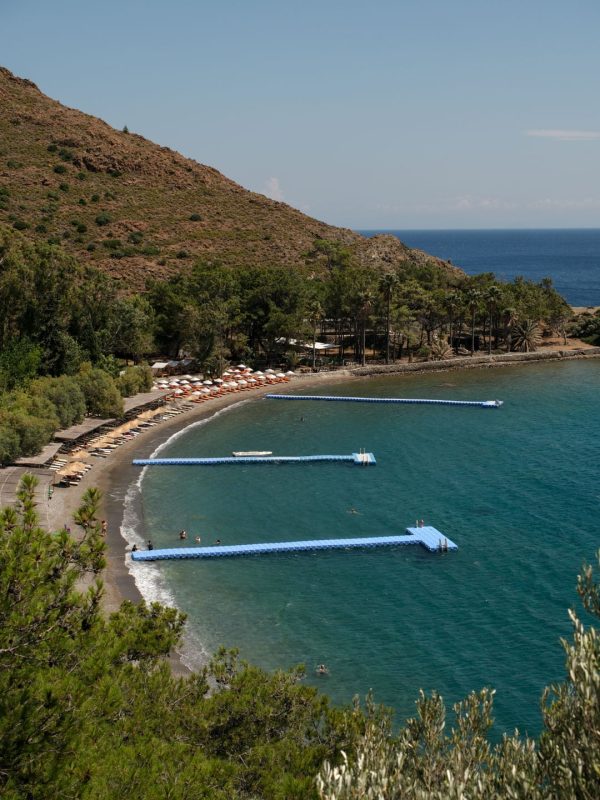
Gabaklar Bay: Ideal for those seeking tranquillity on its beach of gravel and sand; the number of establishments is small but the natural surroundings are wonderful. If only blue plastic jetties had been replaced aesthetically pleasing options had been chosen 🙂
Hayıtbükü: Shallow, crystal-clear and sheltered from the wind with its sea Mesudiye is the most developed of the bays. It has a mixture of sand and stone beach, facilities where you can rent parasols and sun loungers are quite plentiful.
Ovabükü: A peaceful cove where you can really get away from it all and be at one with nature, compared to Hayıtbükü. (Poyraz Restaurant is our favourite spot for an evening meal.)
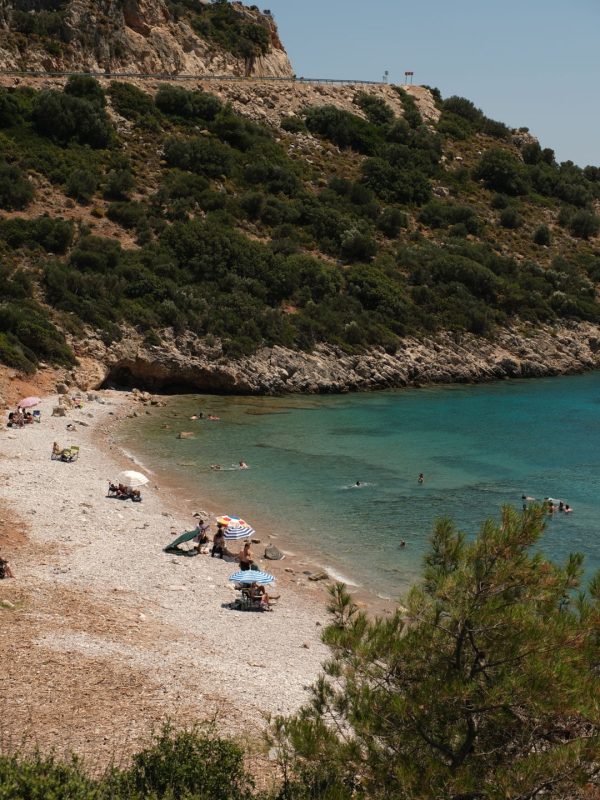
Kurubük: As there are no facilities in the vicinity, you will need to bring your own and chair you’ll need to take with you to this unspoilt bay. The sea is wonderful and the small pebbly beach; one drawback is that it’s by the side of the road is.
Kızlan Gereme Bay: The side of Datça that does not face the Mediterranean but faces the Aegean. There are no facilities, the road is a bit bumpy and completely stony the best thing to do in this cove is to take your own food and go for a picnic there.