

Munich, Germany’s third-largest city and perhaps also its most enchanting, boasts a unique character that blends a rich historical heritage with modern dynamism. Taking its name from the word Munichen – meaning ‘the monks’ place’ – which derives from the Benedictine monks who settled in the region in the 8th century, the city continues to bring this historical heritage to life in Marienplatz, the dazzling heart of Gothic architecture, and throughout its streets. From the magnificent Nymphenburg Palace to the Pinakothek museums—marvels of modern art—and from vast green spaces to Michelin-starred restaurants, Munich offers a rich experience to suit every taste.
The city exudes the Bavarian philosophy of warmth, enjoyment and conviviality—known as ‘Gemütlichkeit’—in every corner. Munich, which brings millions of people together every autumn at the world’s largest fair and festival, the legendary Oktoberfest, takes the excitement to new heights; it also offers unforgettable daily rituals, such as watching people surfing in the Englischer Garten or savouring the architecture in its historic streets.
In this city, where you’ll lose yourself in the colourful, gourmet atmosphere of the Viktualienmarkt, there is a deeply-rooted gastronomic culture, ranging from centuries-old artisan bakeries to traditional markets offering seasonal produce and specialist coffee shops.
Munich is a city that manages to combine the excitement of a festival with traditional tranquillity, inspiring visitors with both its historical and modern sides. Are you ready to explore this elegant Bavarian capital?
You can view our other guides here as well.
Good Food Guide
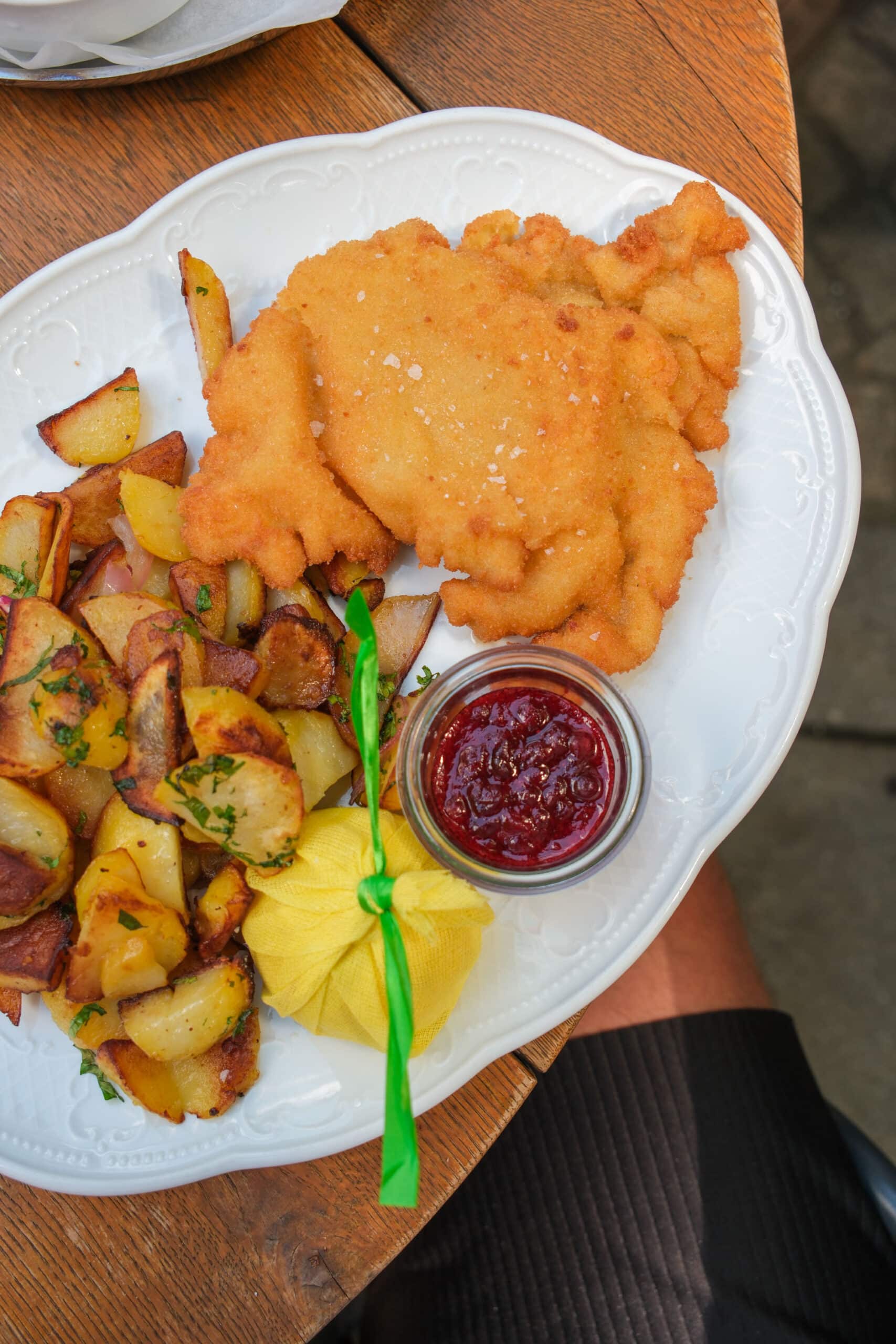
Restaurants:
Street Food:
Bar / Winebar / Biergarten:
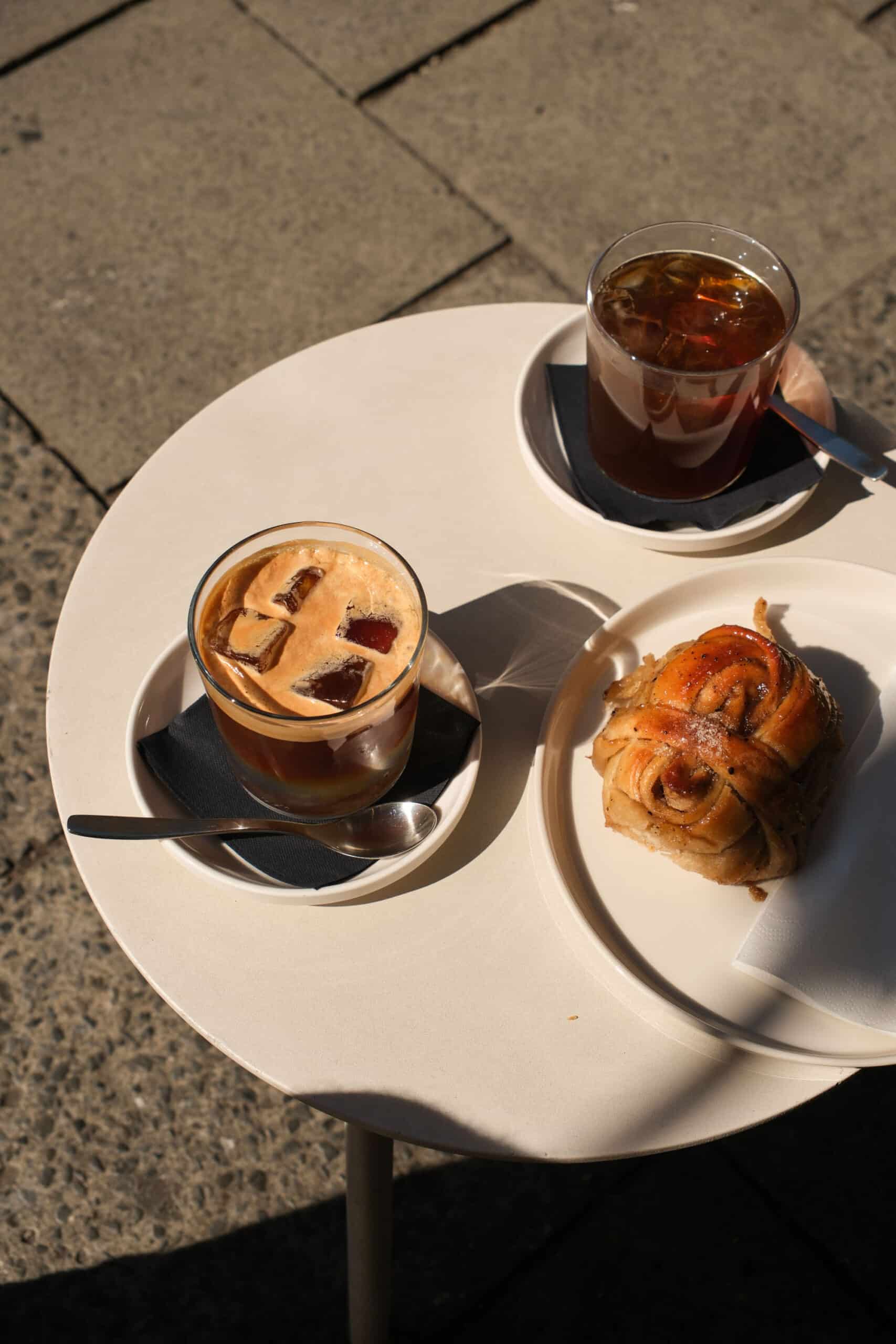
Bakery:
Specialty Coffee:
Cafe / Breakfast:
Ice Cream & Sweets:
Experiences
Museums in Munich that you should visit: On Sundays the Pinakothek museums, the Brandhorst Museum, Lenbachhaus and the Bavarian National Museum such as many museums admission is just 1 Euro.
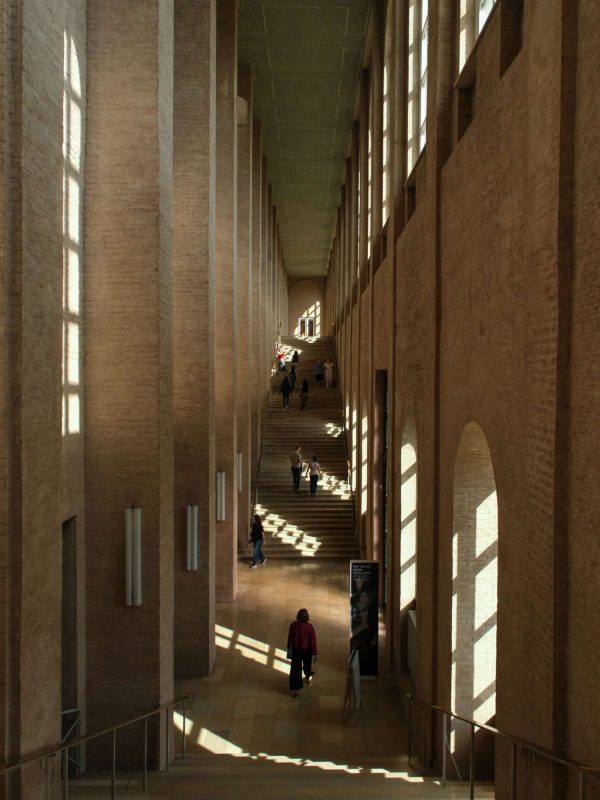
– Alte Pinakothek
– Neue Pinakothek
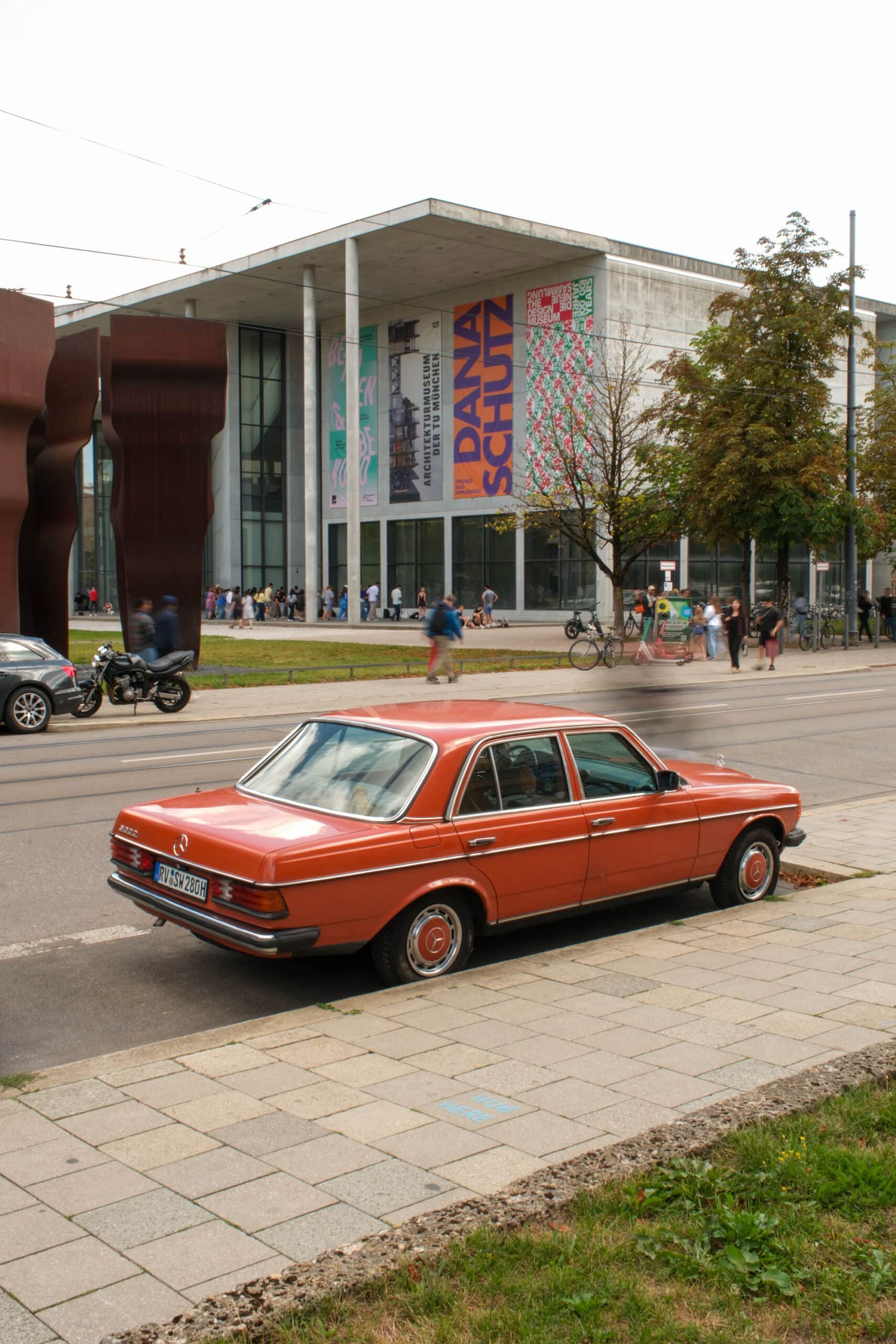
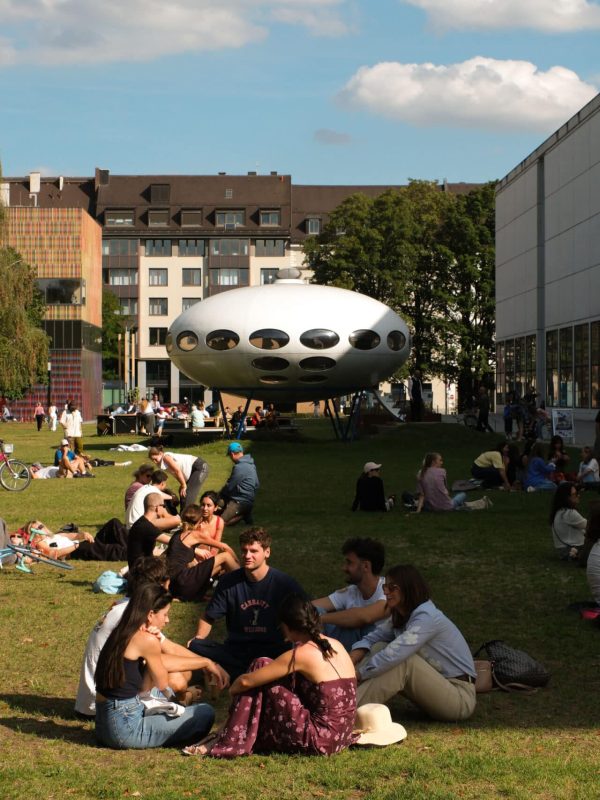
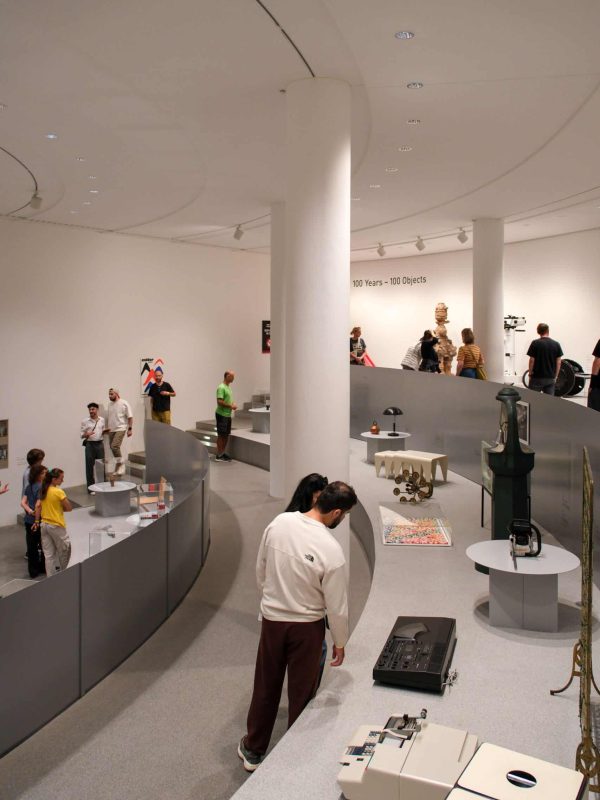
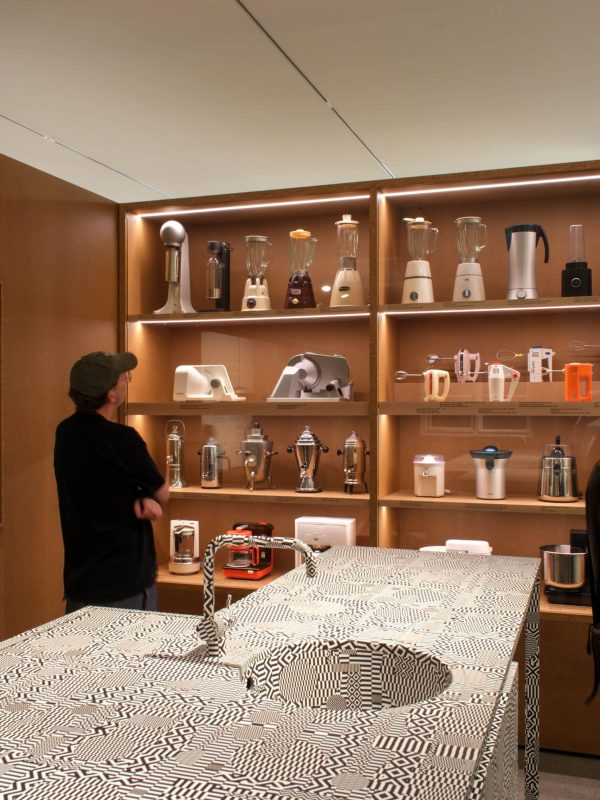
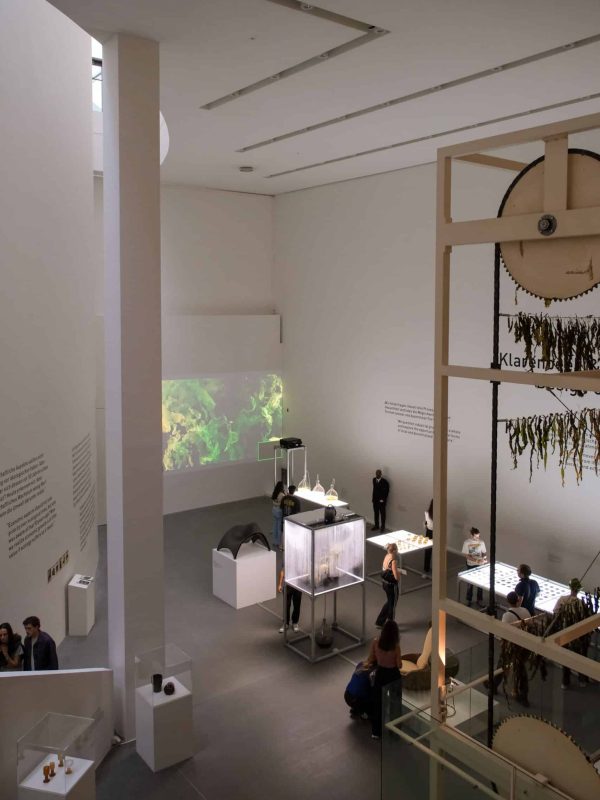
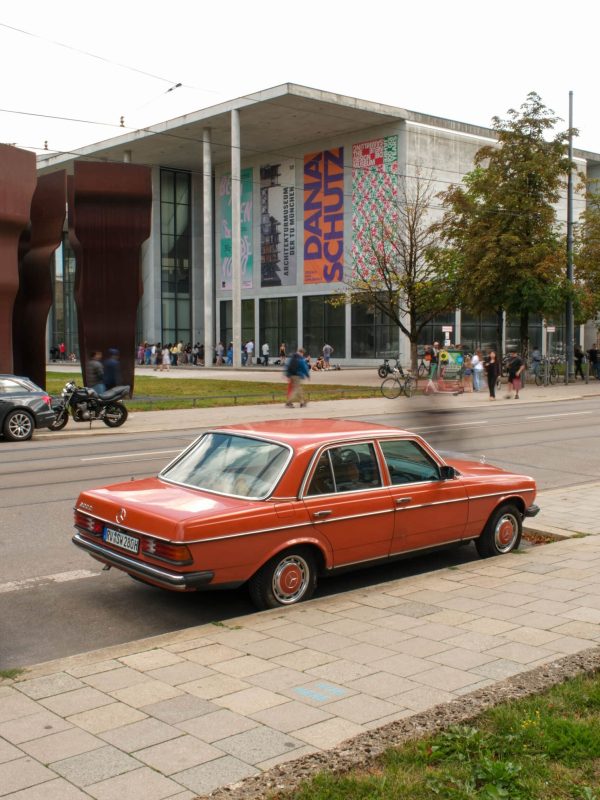
– Pinakothek der Moderne
– Museum Brandhorst
– Lenbachhaus
– Glyptothek
– Munich Museum of Egyptian Art (Staatliches Museum Ägyptischer Kunst)
– Haus der Kunst
– NS-Dokumentationszentrum München
– Bavarian National Museum
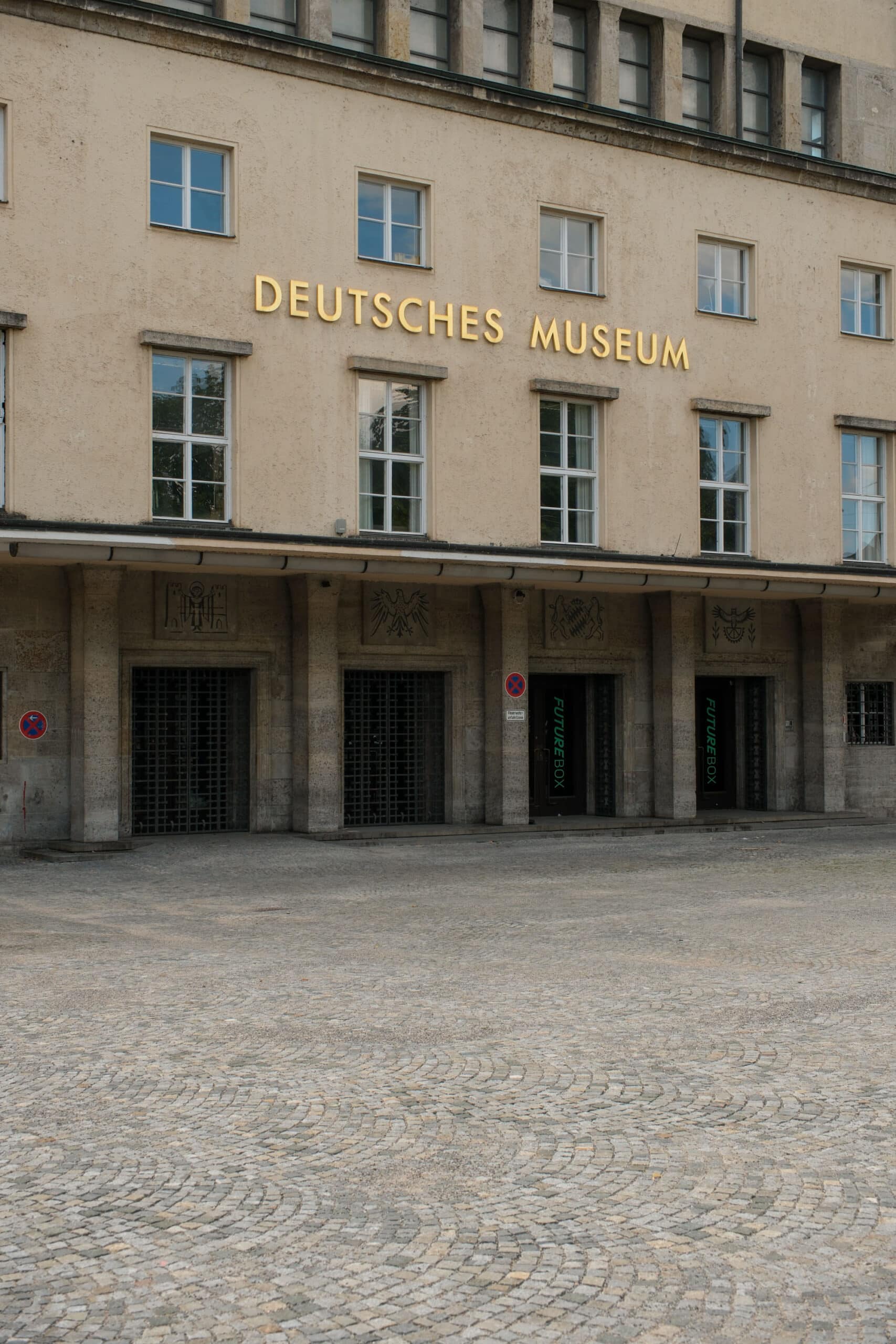
– Deutsches Museum
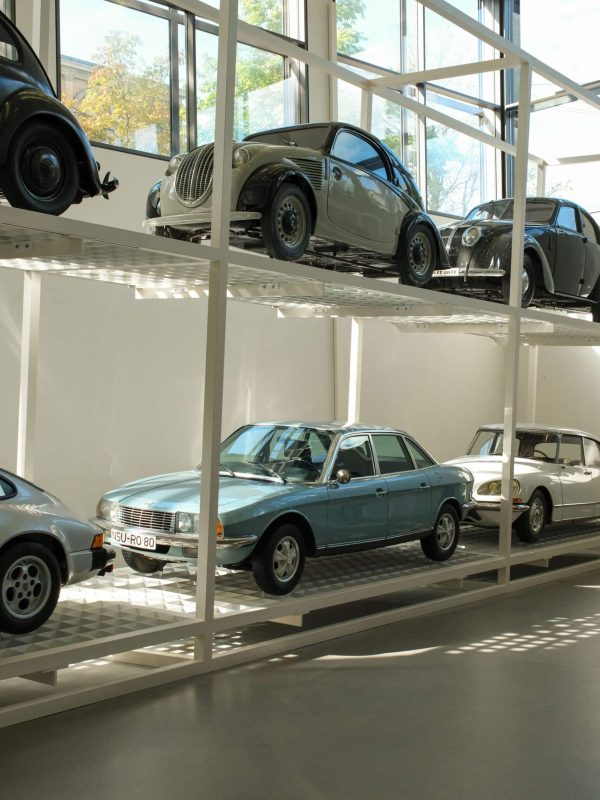
– BMW Museum
Münih’te Görmeniz Gereken Mimari ve Tarihi Eserler:
Marienplatz & Neues Rathaus
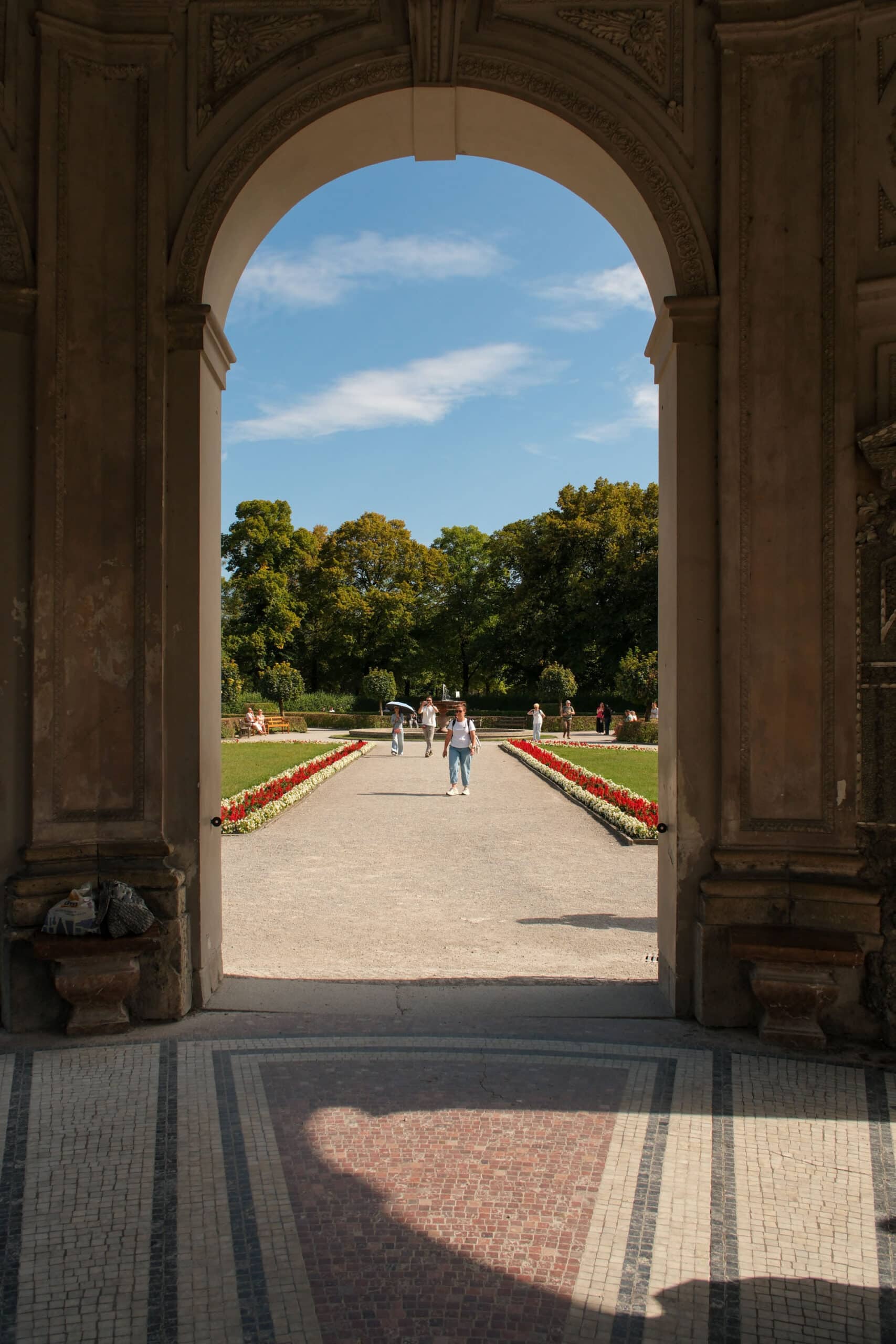
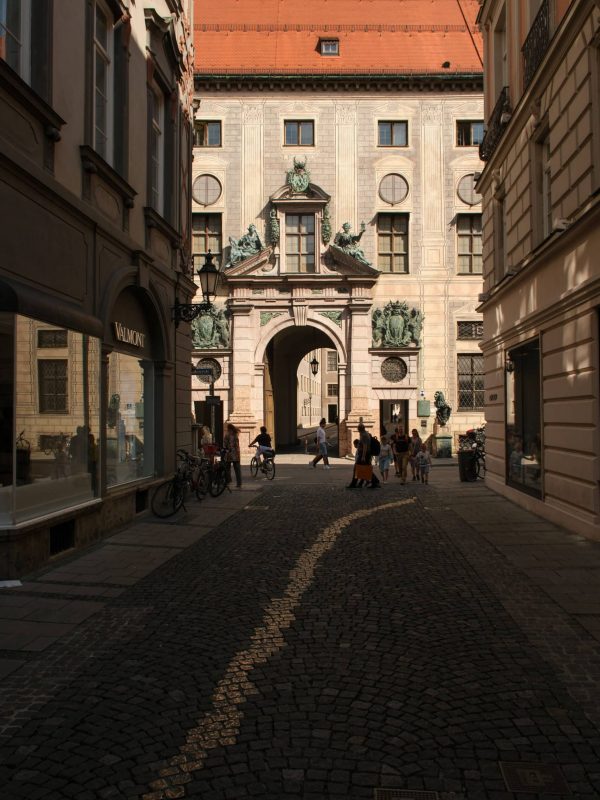
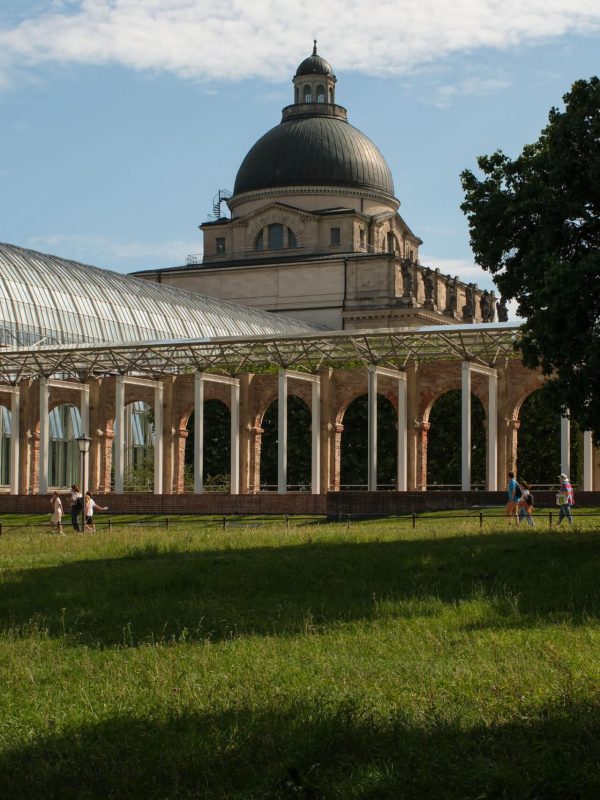
Munich Residence
Nymphenburg Sarayı
Frauenkirche
Asamkirche
Theatinerkirche
St. Peter Church (Alter Peter)
Heilig Geist
Herz Jesu Church
Feldherrnhalle
Juristische Bibliothek
Drückebergergasse
BMW Welt
Endless Staircase (Umschreibung)
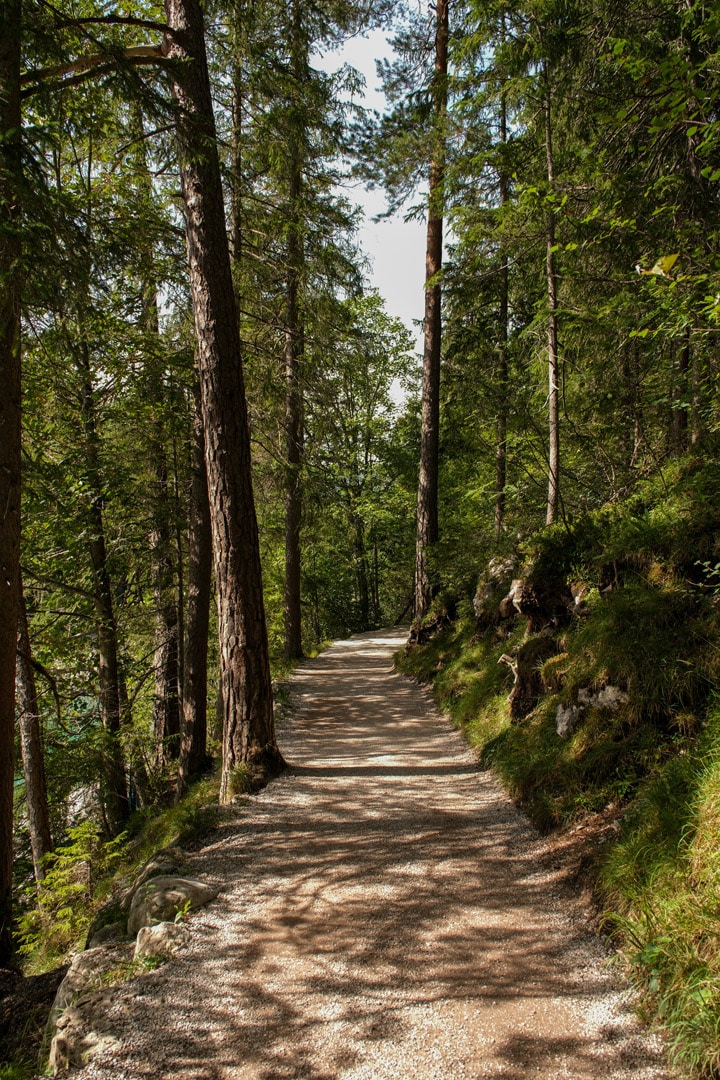
Munich’s Most Beautiful Parks, Gardens and Outdoor Routes:
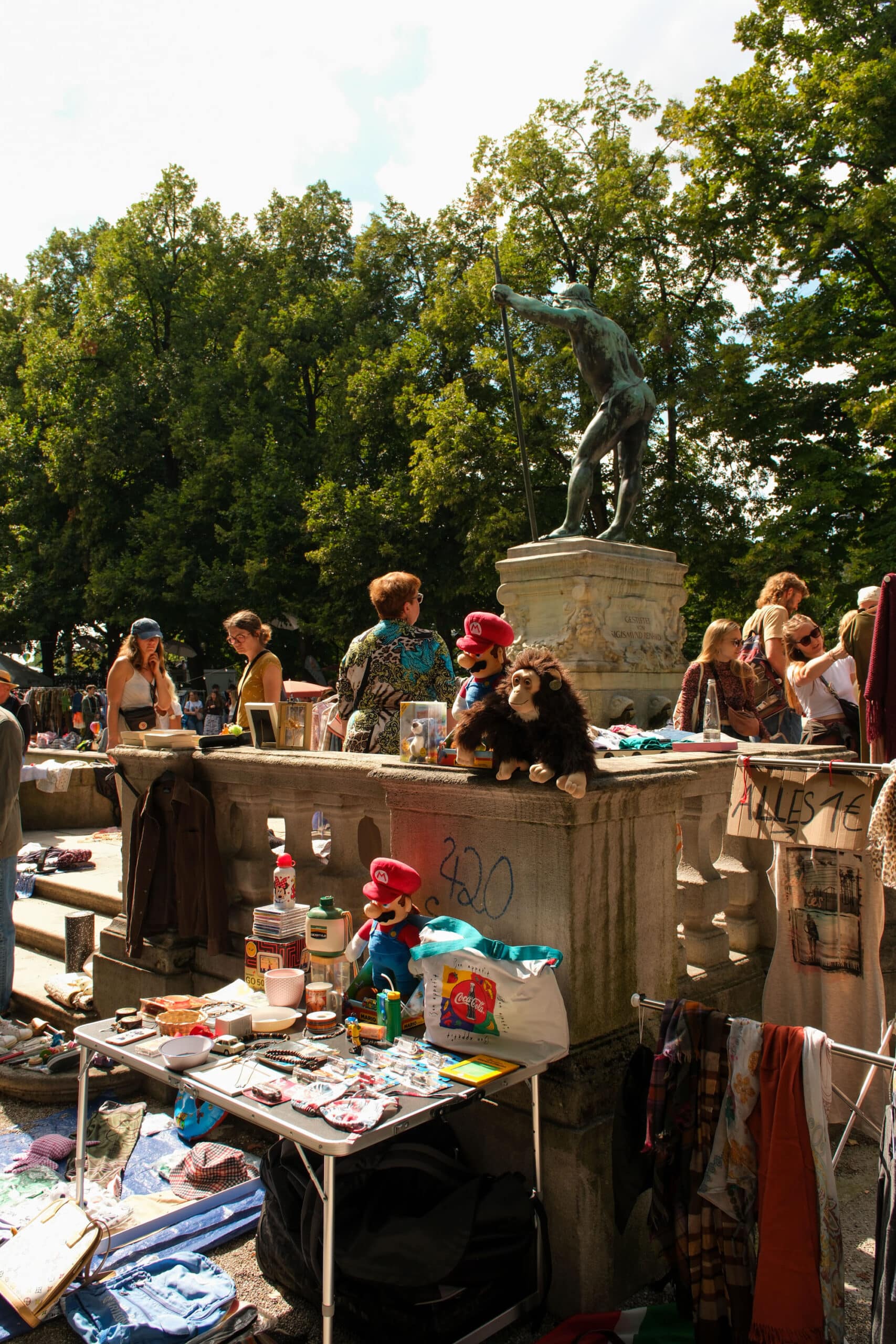
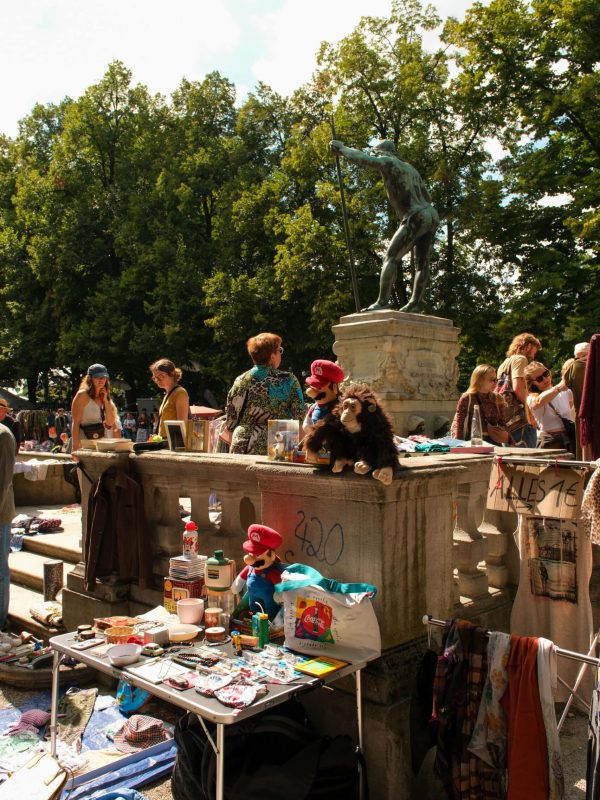
Markets and Streets in Munich That Are Definitely Worth Visiting:
Day-trip Nature and Castle Itineraries from Munich:
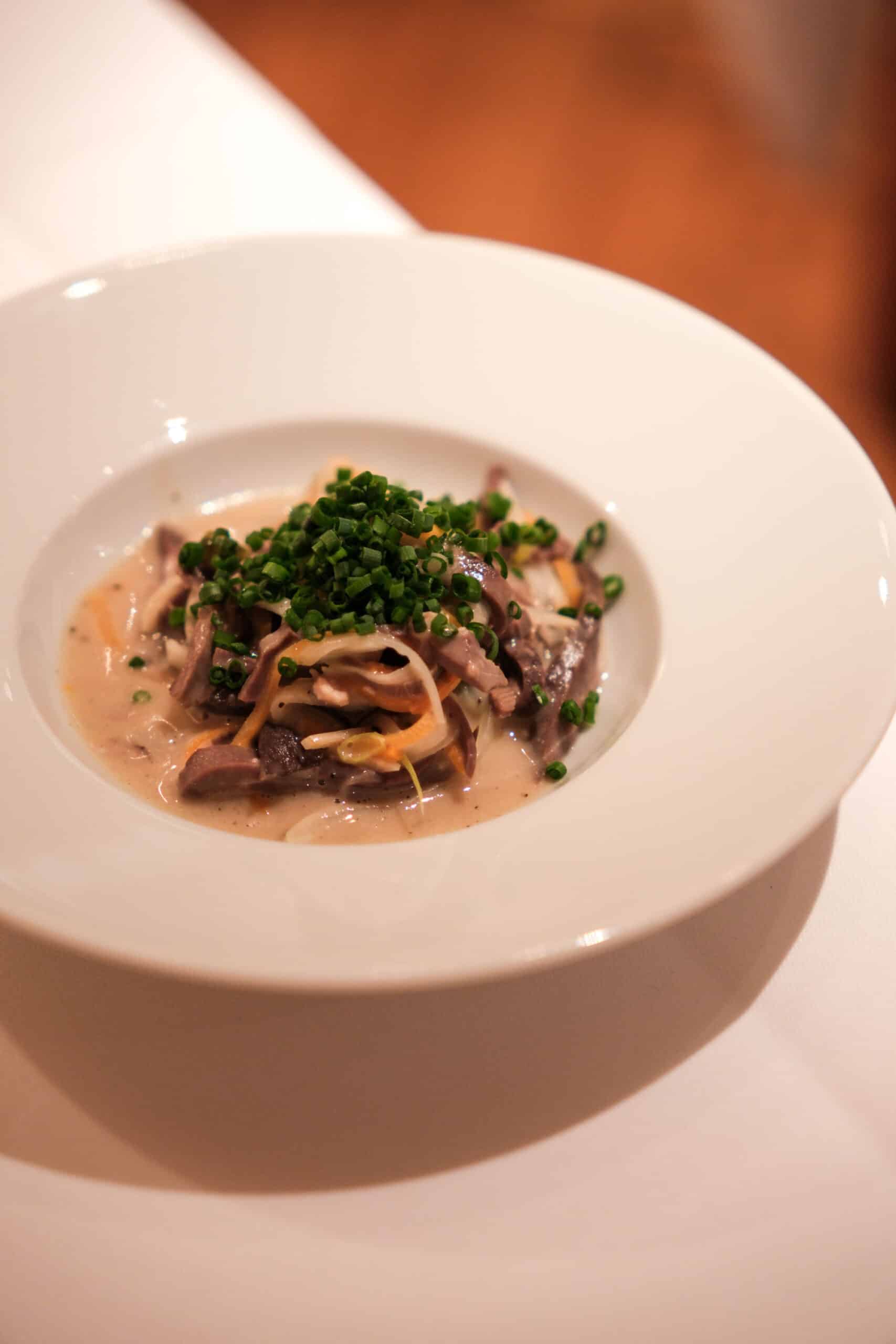
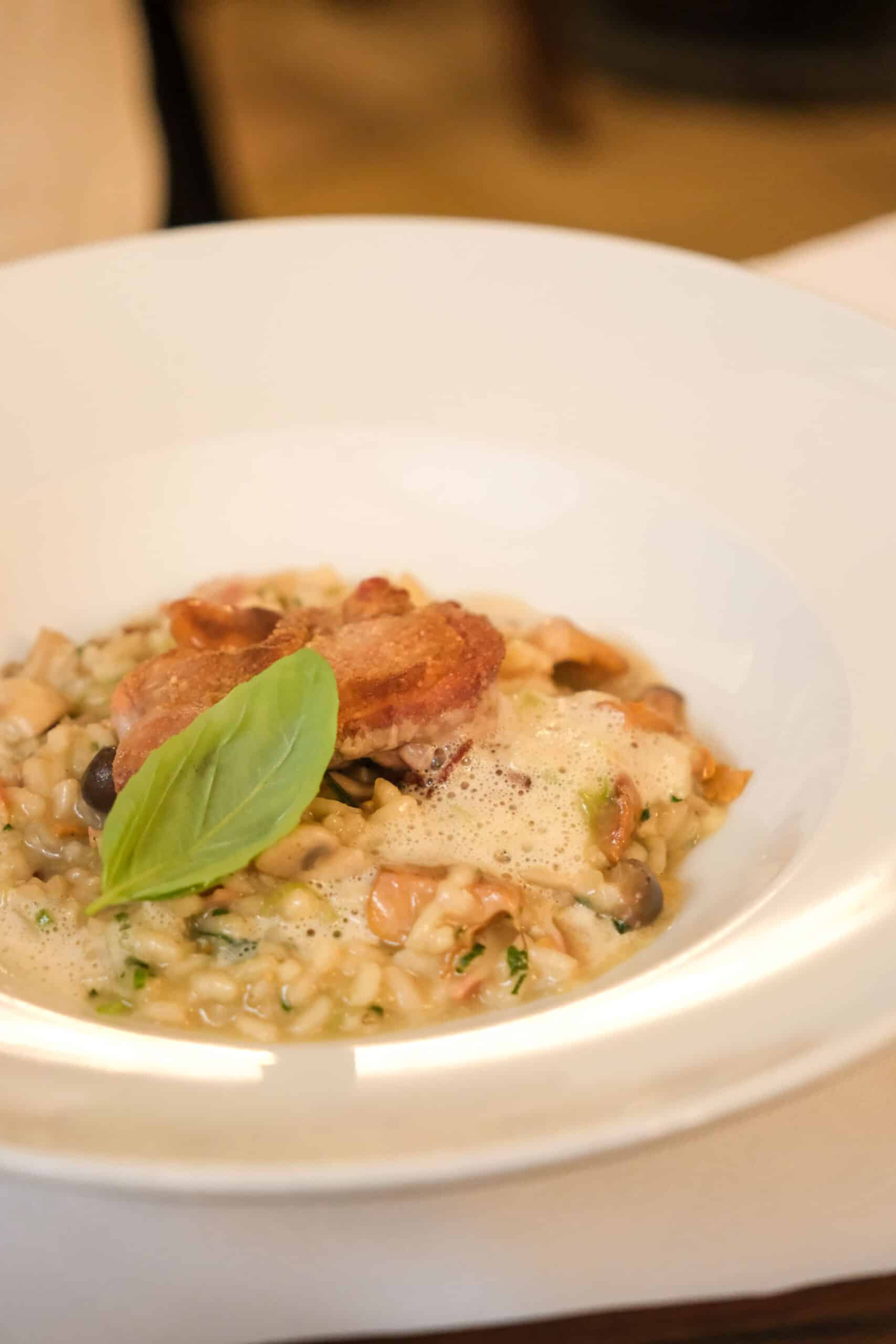
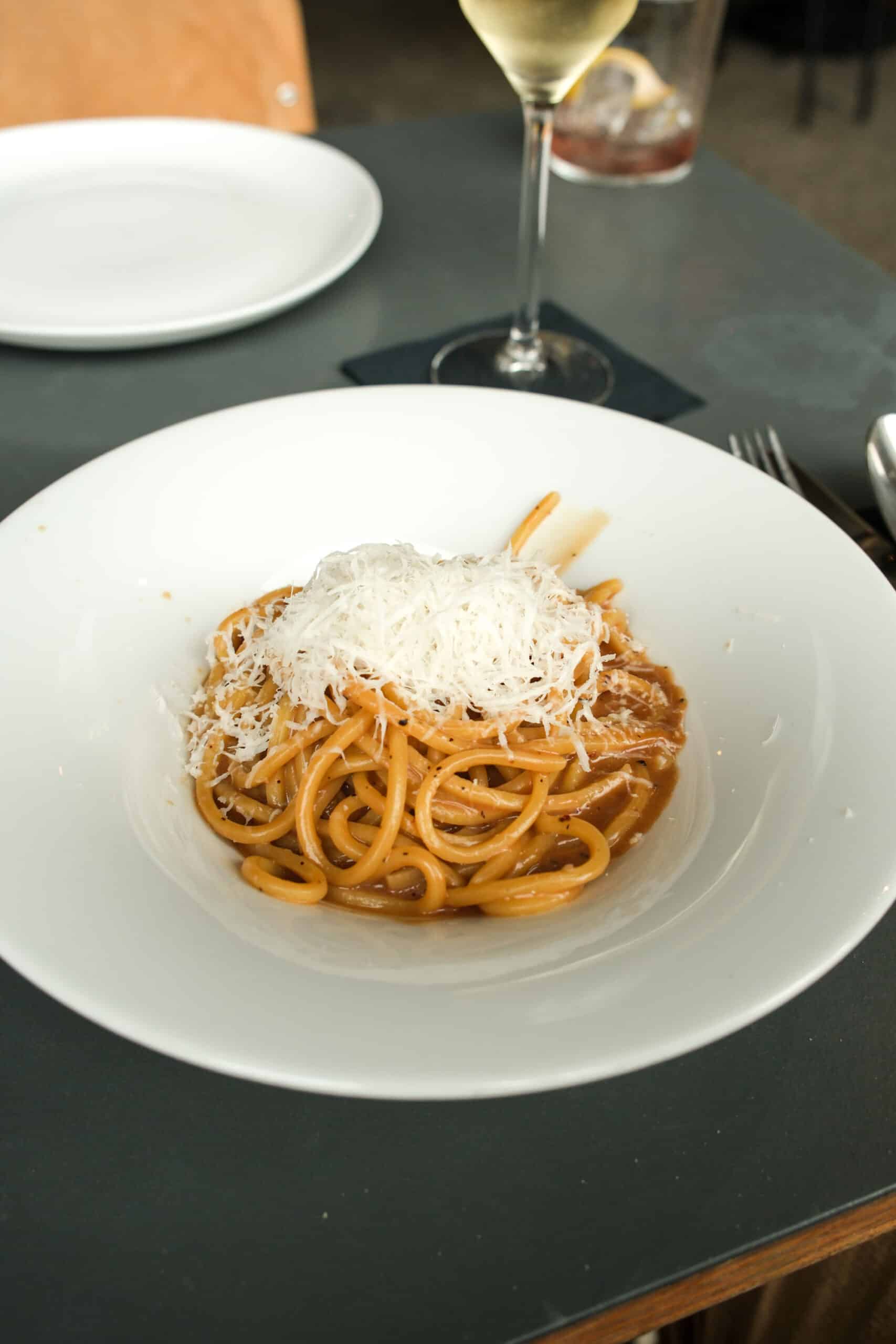

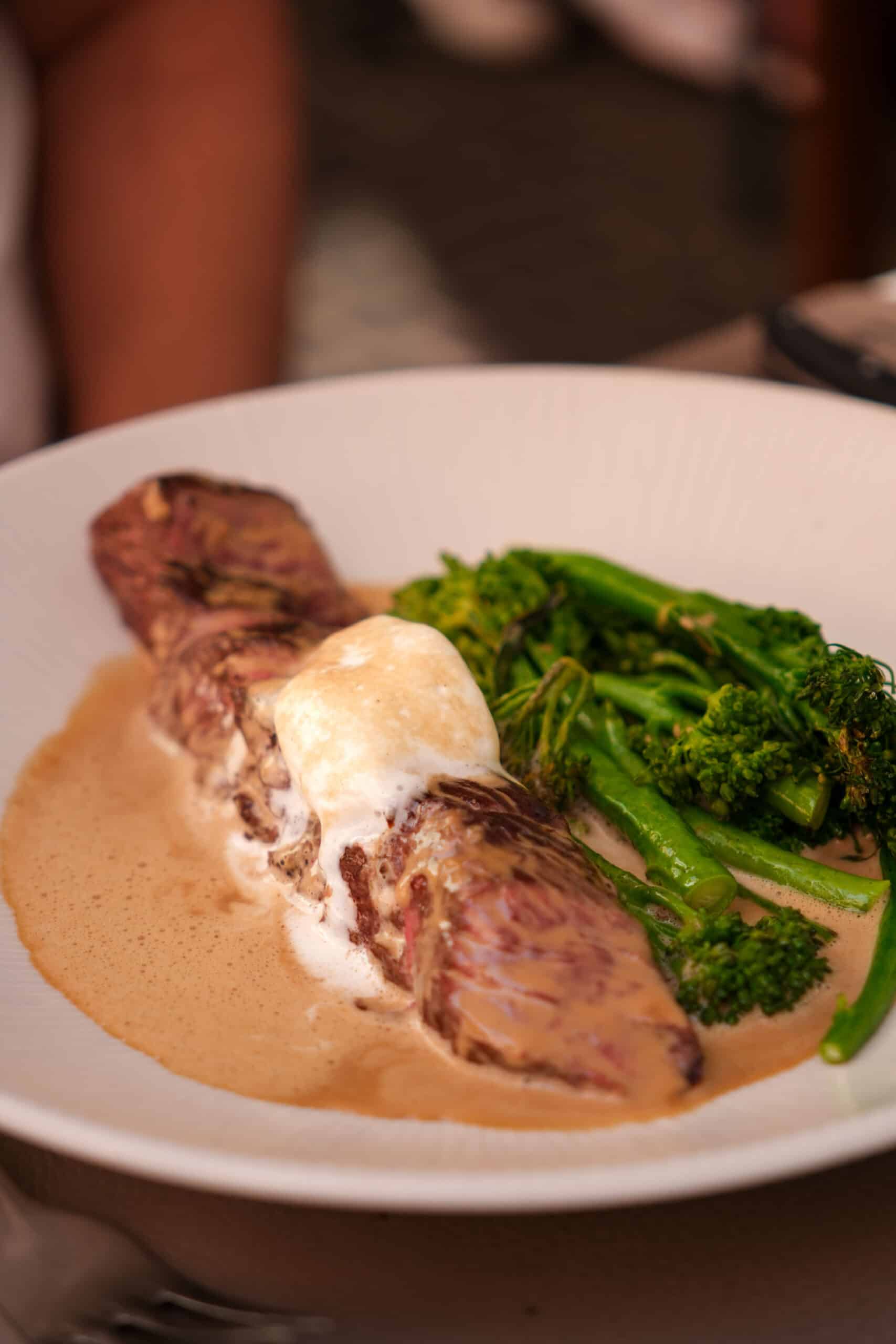
Munich is a treasure waiting to be discovered, not only for its Bavarian cuisine and festive spirit, but also for its neighbourhoods, each with its own distinct character, blending historical and modern elements. If you’re visiting Munich for the first time, let us point out straight away that the transport network (U-Bahn and S-Bahn) is extremely practical, and that exploring the city on foot or by bike is a real pleasure.
Munich is generally a fairly safe city city as it is therefore in terms of accommodation it is best to be avoided as dangerous neighbourhoods can be said there are none it can be said. Just as in any major city, it is enough to exercise a basic level of caution in the streets around the main railway station in the evening. To be honest, we didn’t have any trouble at all, as there are plenty of Turkish restaurants and businesses around the train station.
Discover Munich’s Neighbourhoods
Altstadt-Lehel (City Centre): Encompassing the city’s historic centre and its main tourist attractions, Altstadt-Lehel is Munich’s finest and most central district. This is the ideal spot for those visiting Munich for the first time.. Accommodation prices are higher than in other regions even though, a brilliant and reliable option for both families and young travellers. Iconic landmarks such as Marienplatz and the Viktualienmarkt are situated right in the heart of the city.
Ludwigsvorstadt-Isarvorstadt: One of the most appealing areas, particularly for young travellers. This neighbourhood, with its dynamic and lively atmosphere, is also home to the Theresienwiese, the venue for the famous Oktoberfest. With its stylish cafés and bustling streets, it’s the perfect place for anyone wanting to soak up the city’s energy.
Schwabing: Known for its proximity to the English Garden (Englischer Garten), Schwabing is an ideal neighbourhood for both young travellers and those looking for more budget-friendly options. He has a youthful, artistic and bohemian spirit.
Maxvorstadt: Known as Munich’s museum and university district, Maxvorstadt is a wonderful neighbourhood, particularly recommended for families. This neighbourhood, home to the Pinakothek museums, offers a peaceful stay with its wide streets and intellectual atmosphere.
Neuhausen-Nymphenburg: An area ideally suited to families wishing to be close to the magnificent atmosphere of Nymphenburg Palace whilst enjoying a more peaceful experience.
Sendling-Westpark: An ideal choice for travellers looking for a quiet, green neighbourhood a little further from the city centre, whilst also seeking budget-friendly accommodation.
Where did we stay?
For our trip to Munich, we chose to stay at Numa St. Paul, located in the Ludwigsvorstadt-Isarvorstadt district. Given that it was within walking distance of the Oktoberfest grounds and offered easy access to central locations, it proved to be an ideal choice of accommodation. Numa’s modern design, which offers all the comforts of home, was perfect for relaxing after a tiring day of sightseeing. For those unfamiliar with it, Numa is essentially a hotel without a reception or staff; on the day of your arrival, you gain access to the building and your room using a personal code provided to you. Cleaning staff clean your room free of charge on a weekly basis, but if you require more frequent cleaning, you can request this for a fee. Personally, unless we’re staying for a particularly long period, we generally prefer not to have our rooms cleaned whilst travelling. Apart from that, you can easily sort out your needs, such as a laundry service or a lockable cupboard, through Numa.
If you are also travelling to Munich on your trip with Numa for a comfortable and convenient a stay experience if you’d like, when making your bookings KISNISNUMA20 code you can take advantage of a 20 discount you can benefit from. We’re posting the link and the details here.

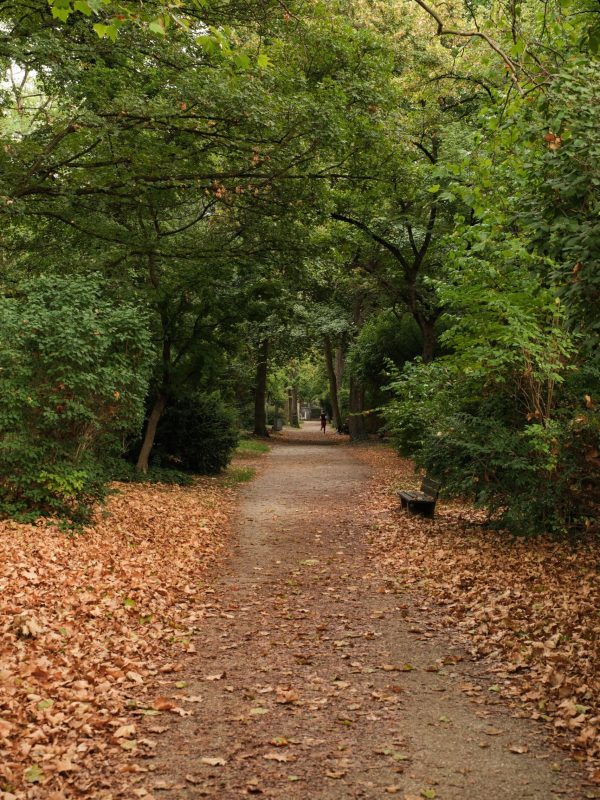
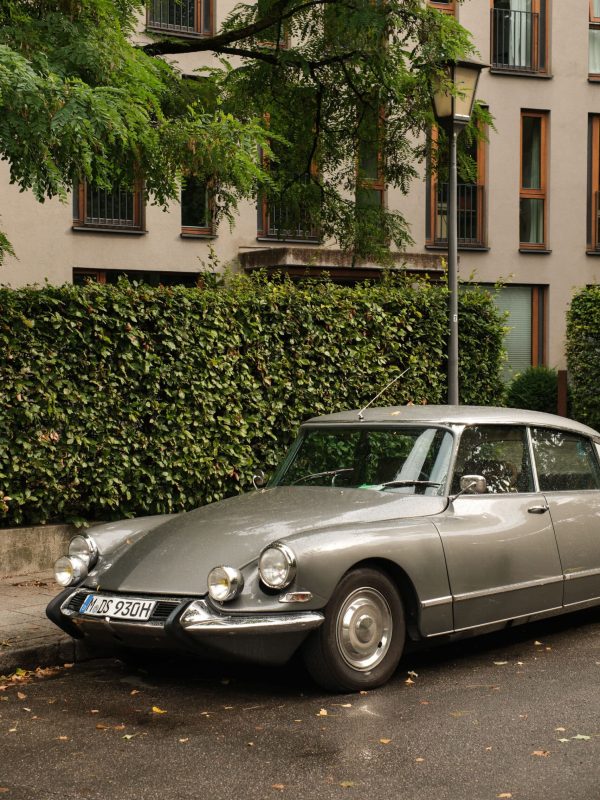
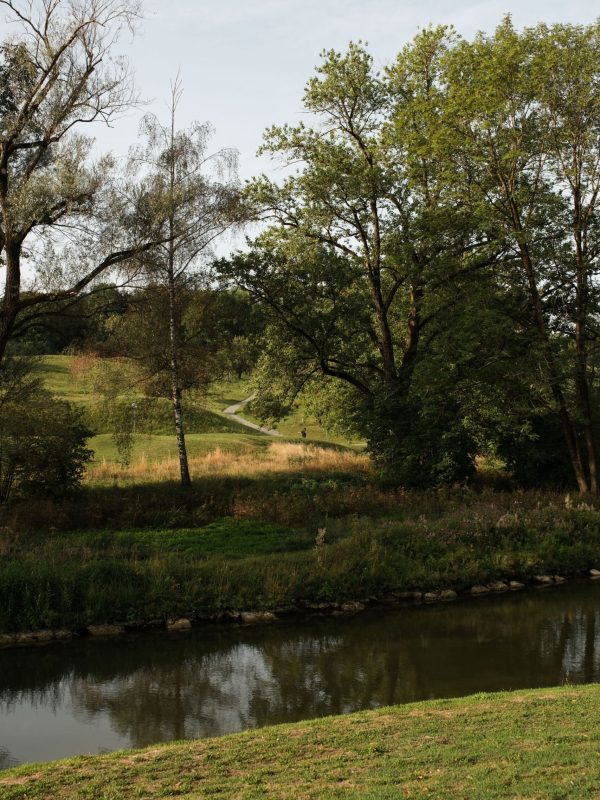
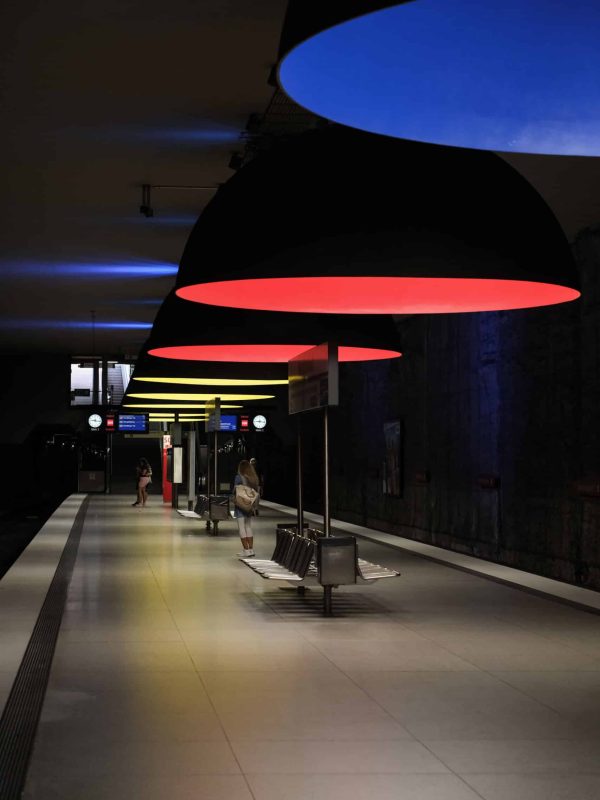
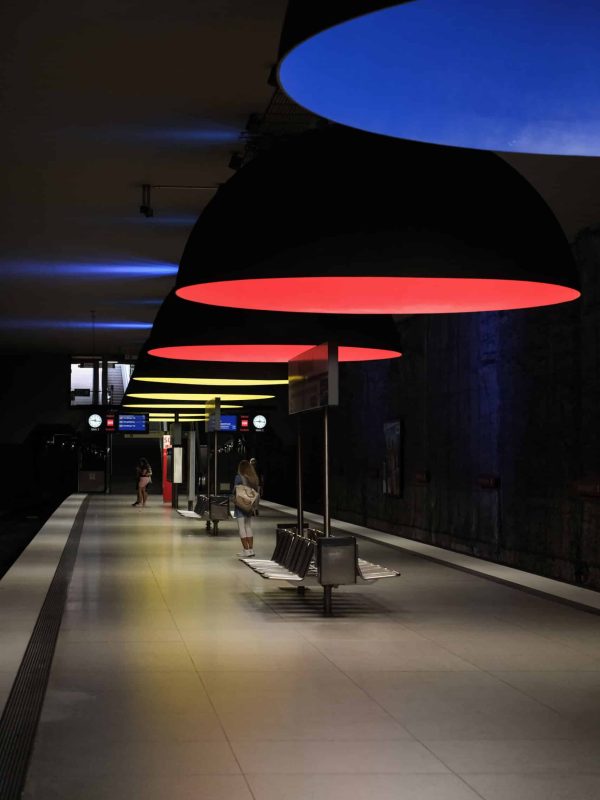
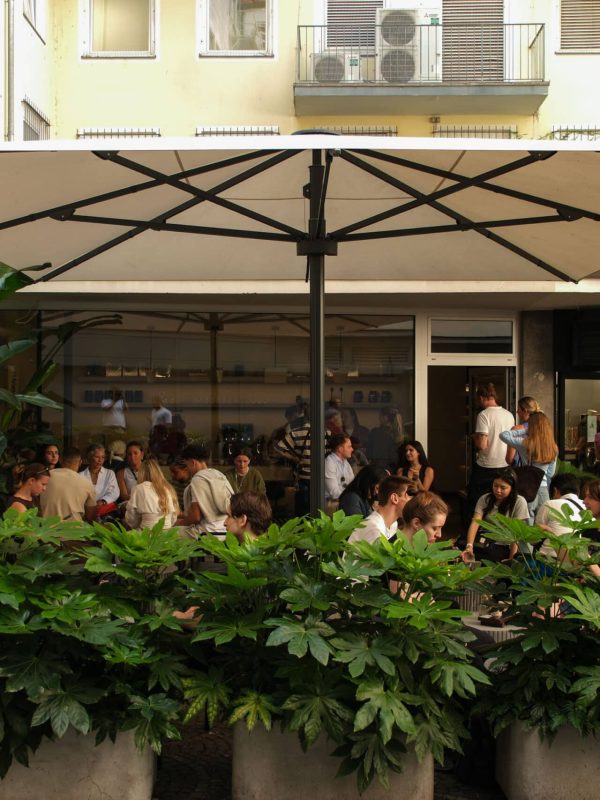
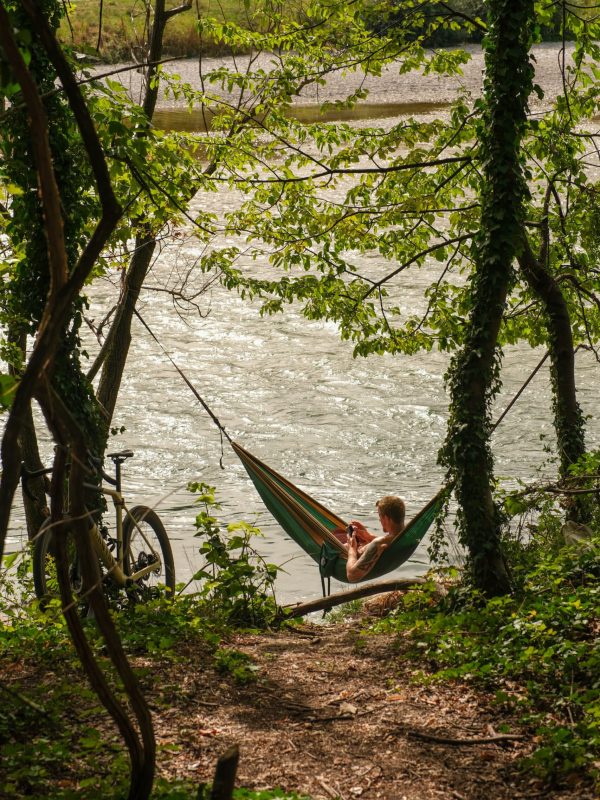
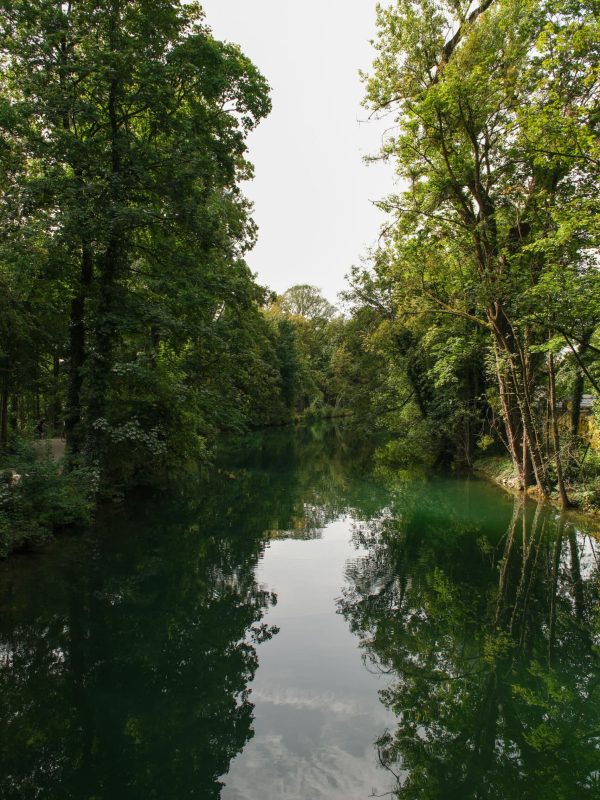
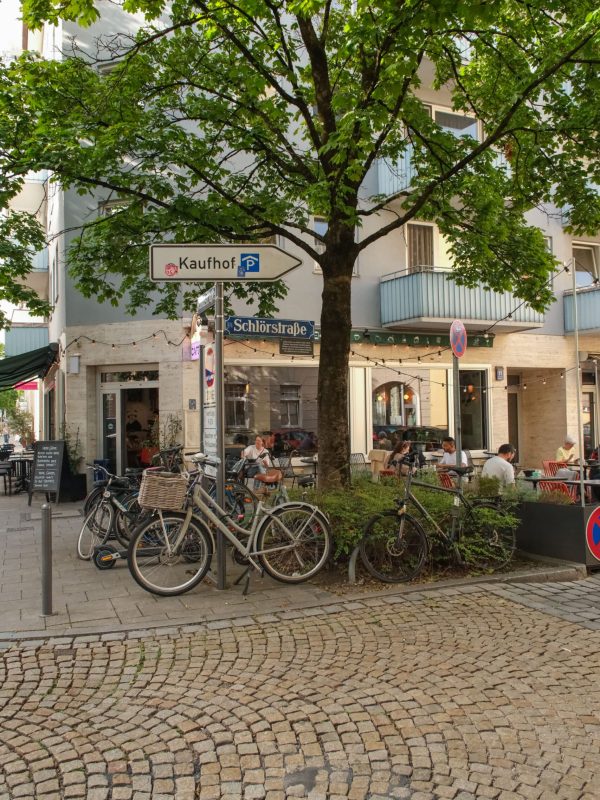
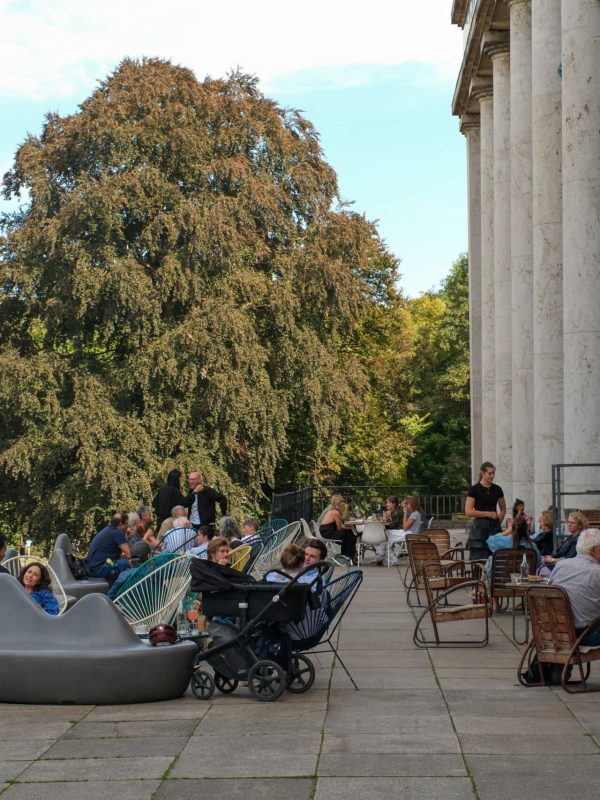
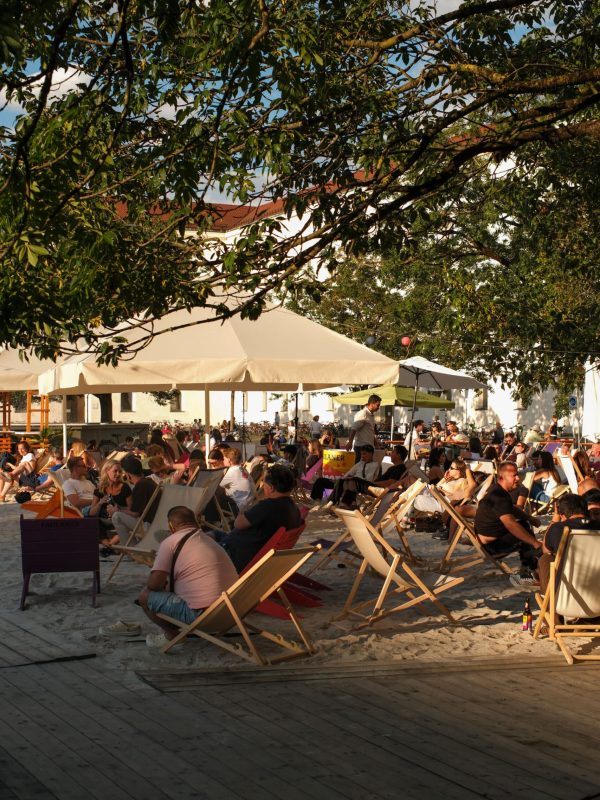
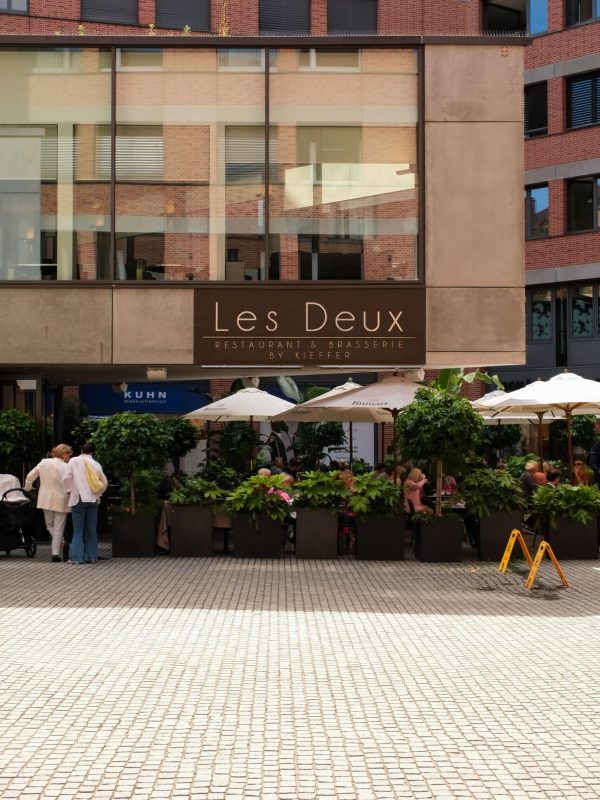
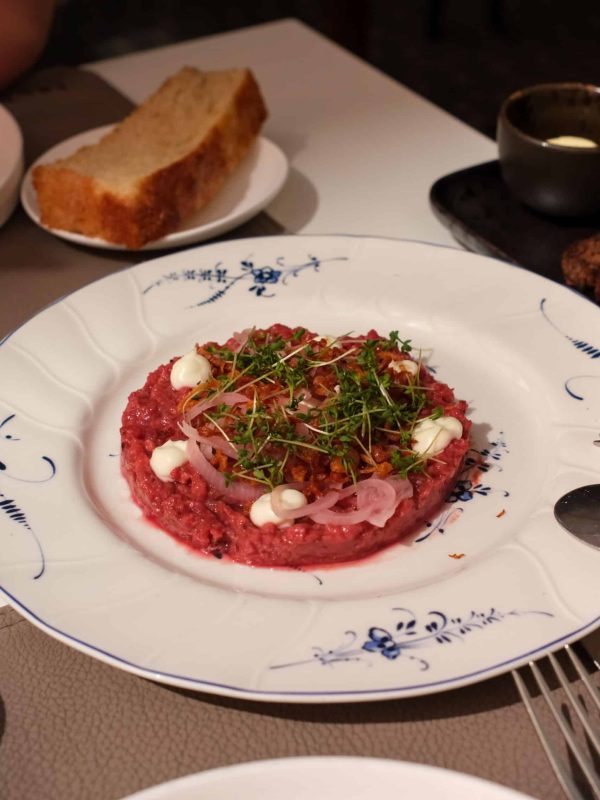

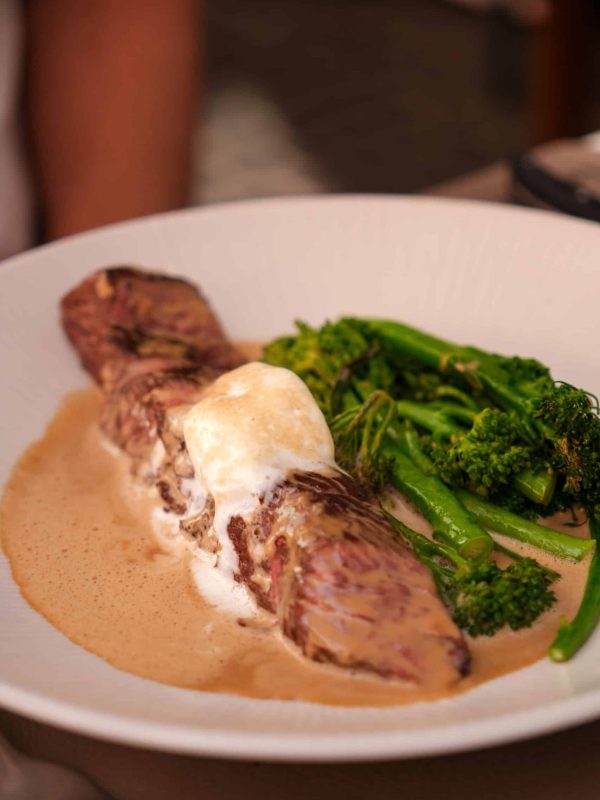
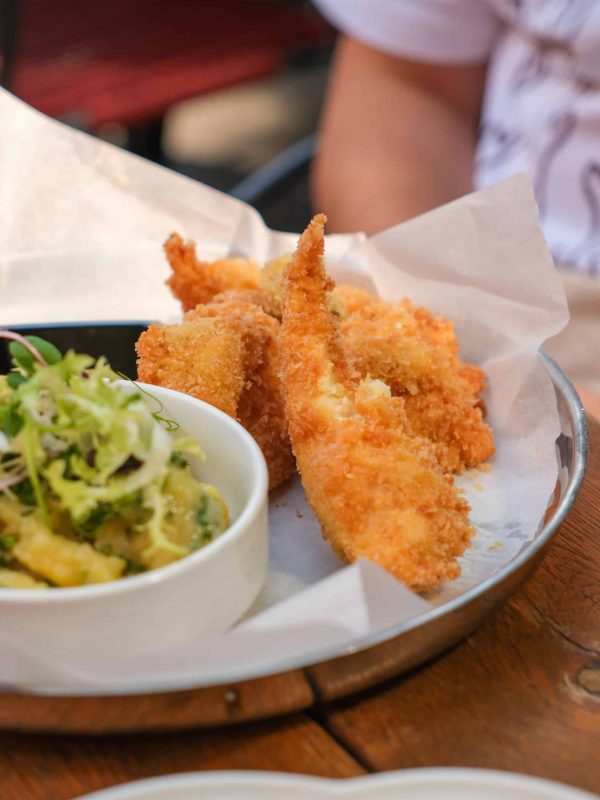
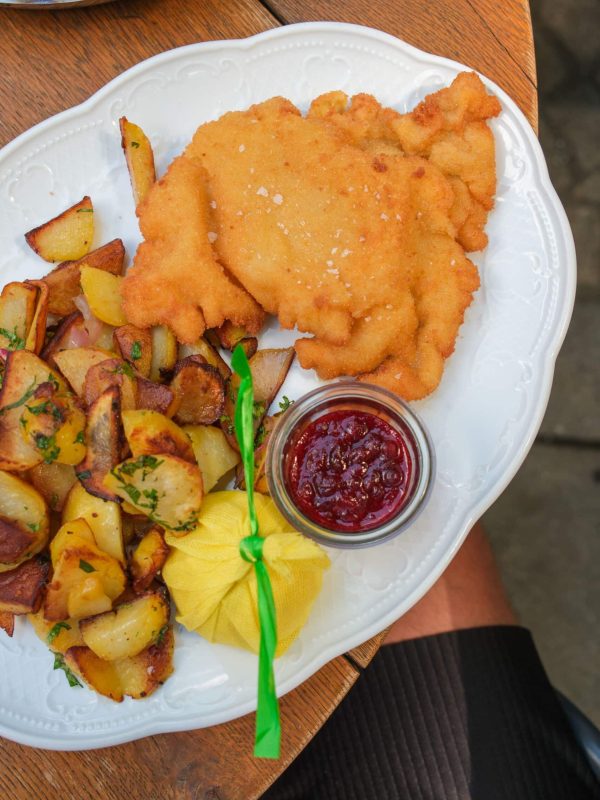
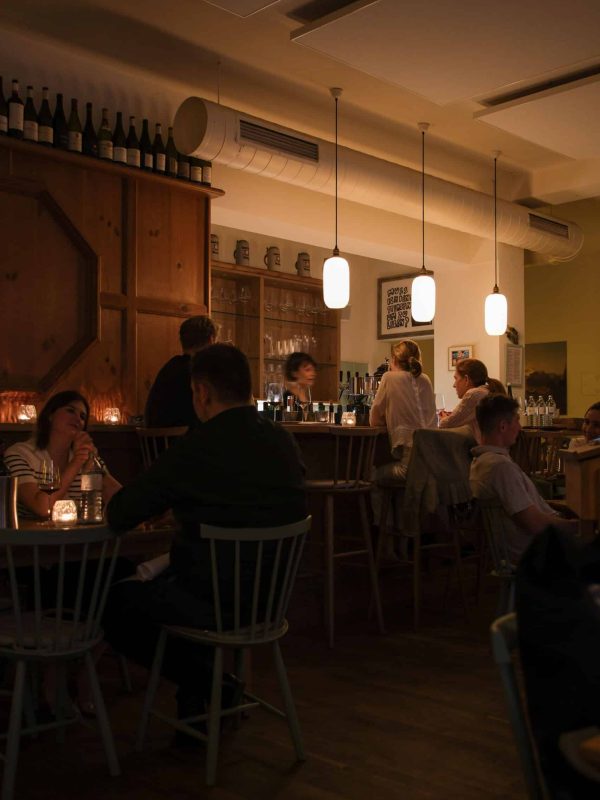
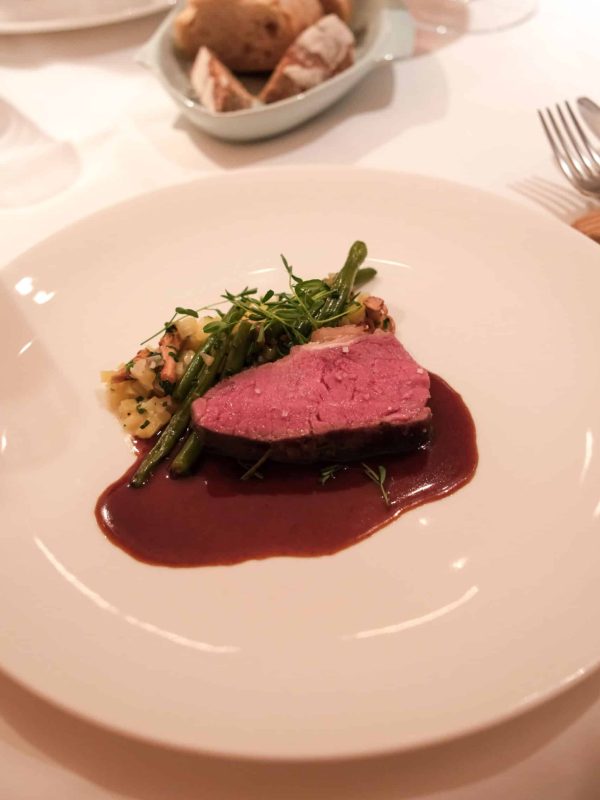
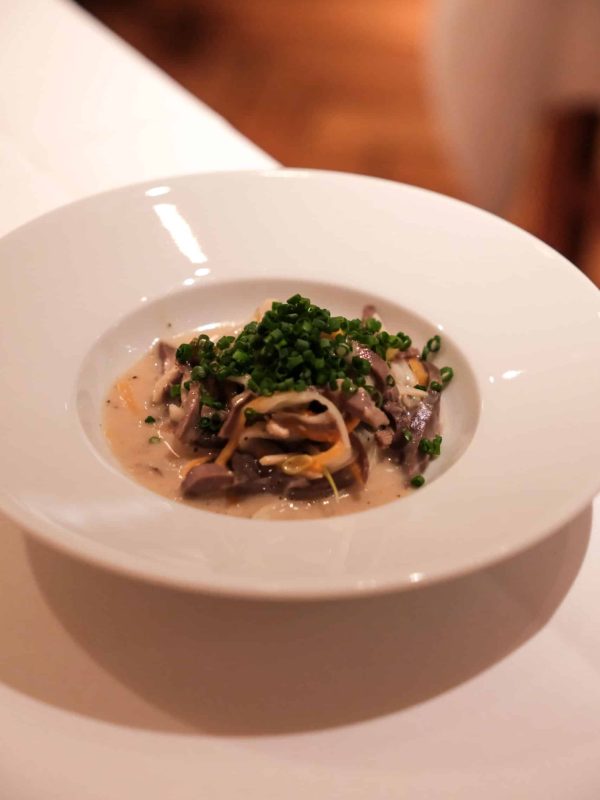
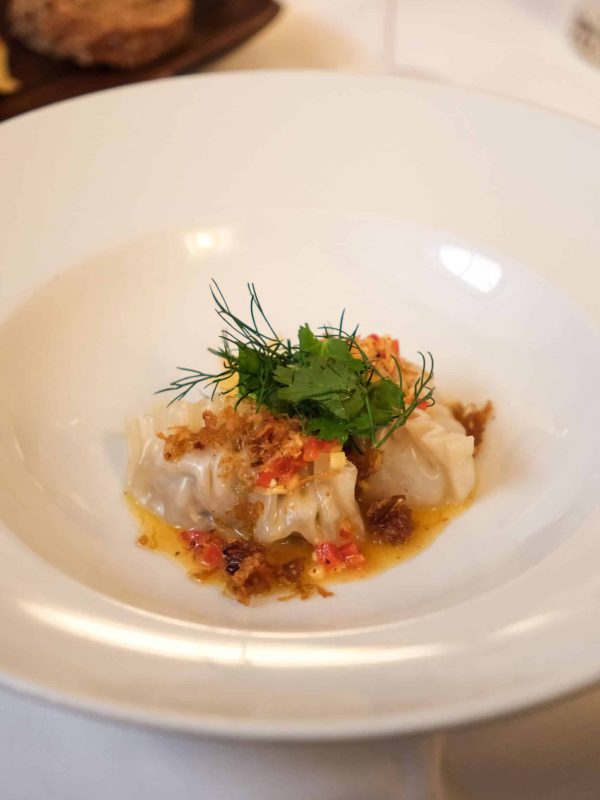

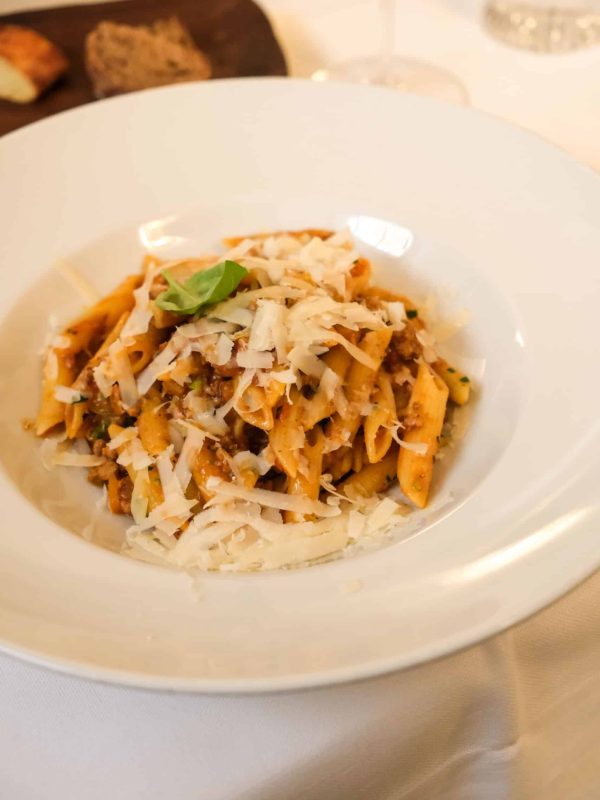
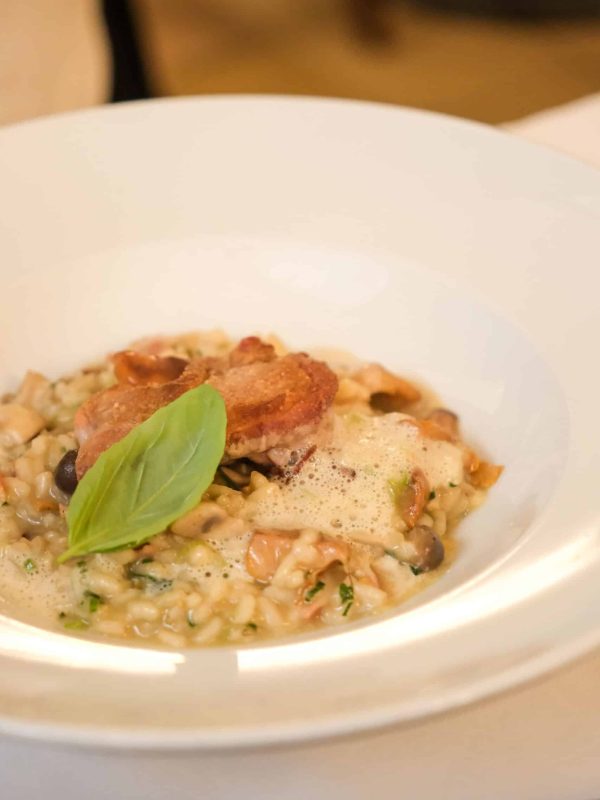



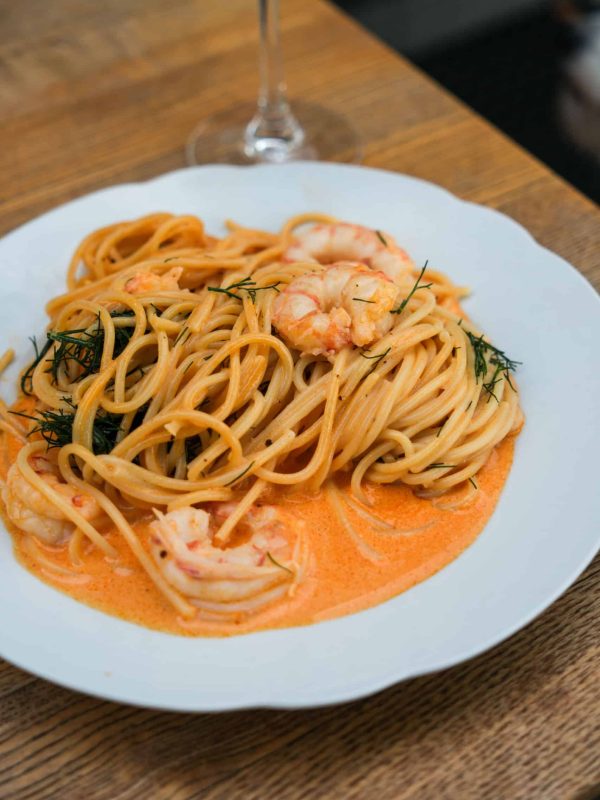
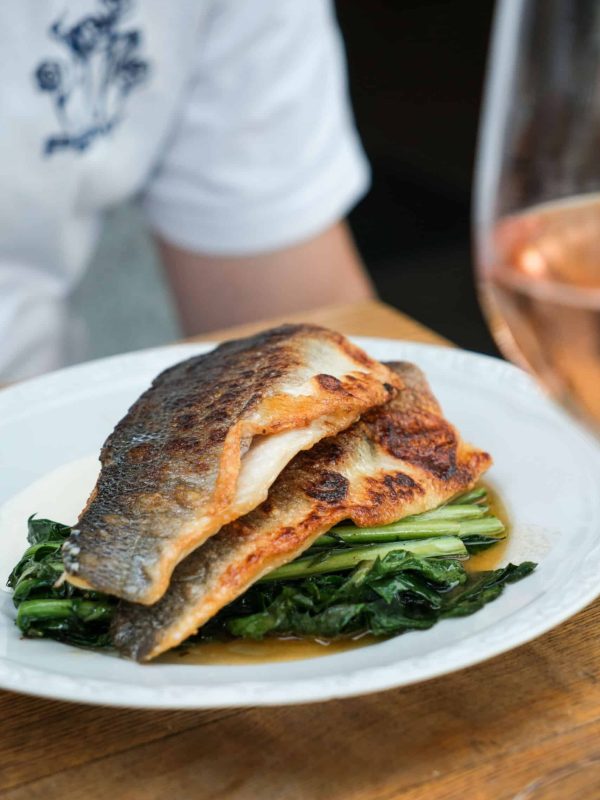
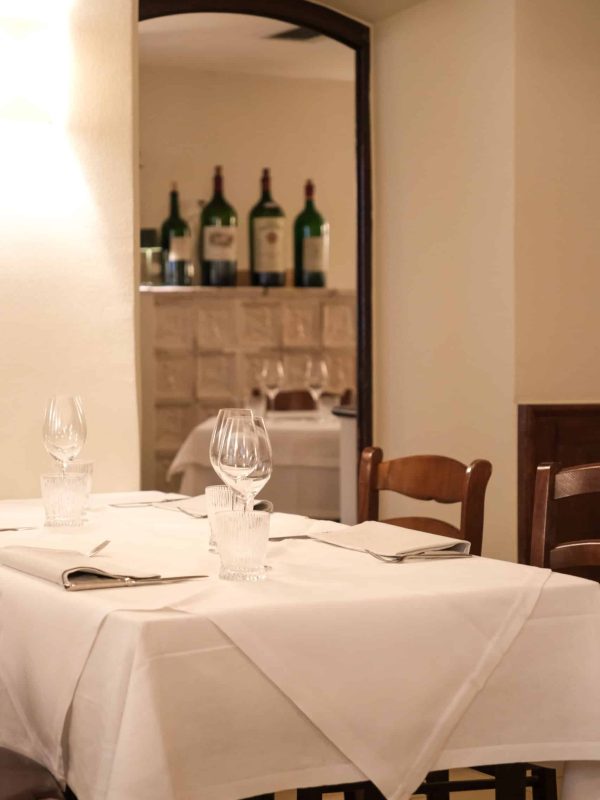
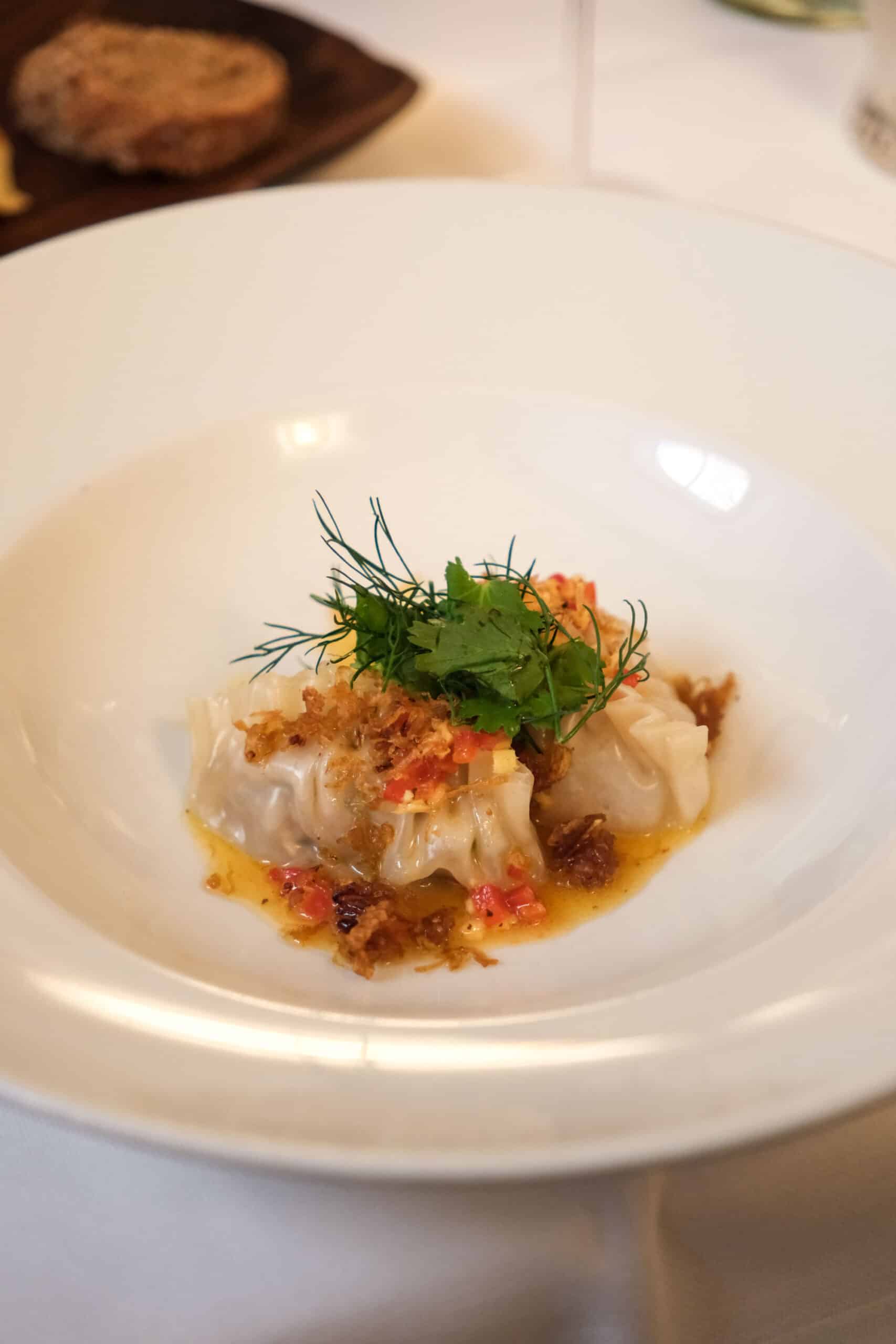
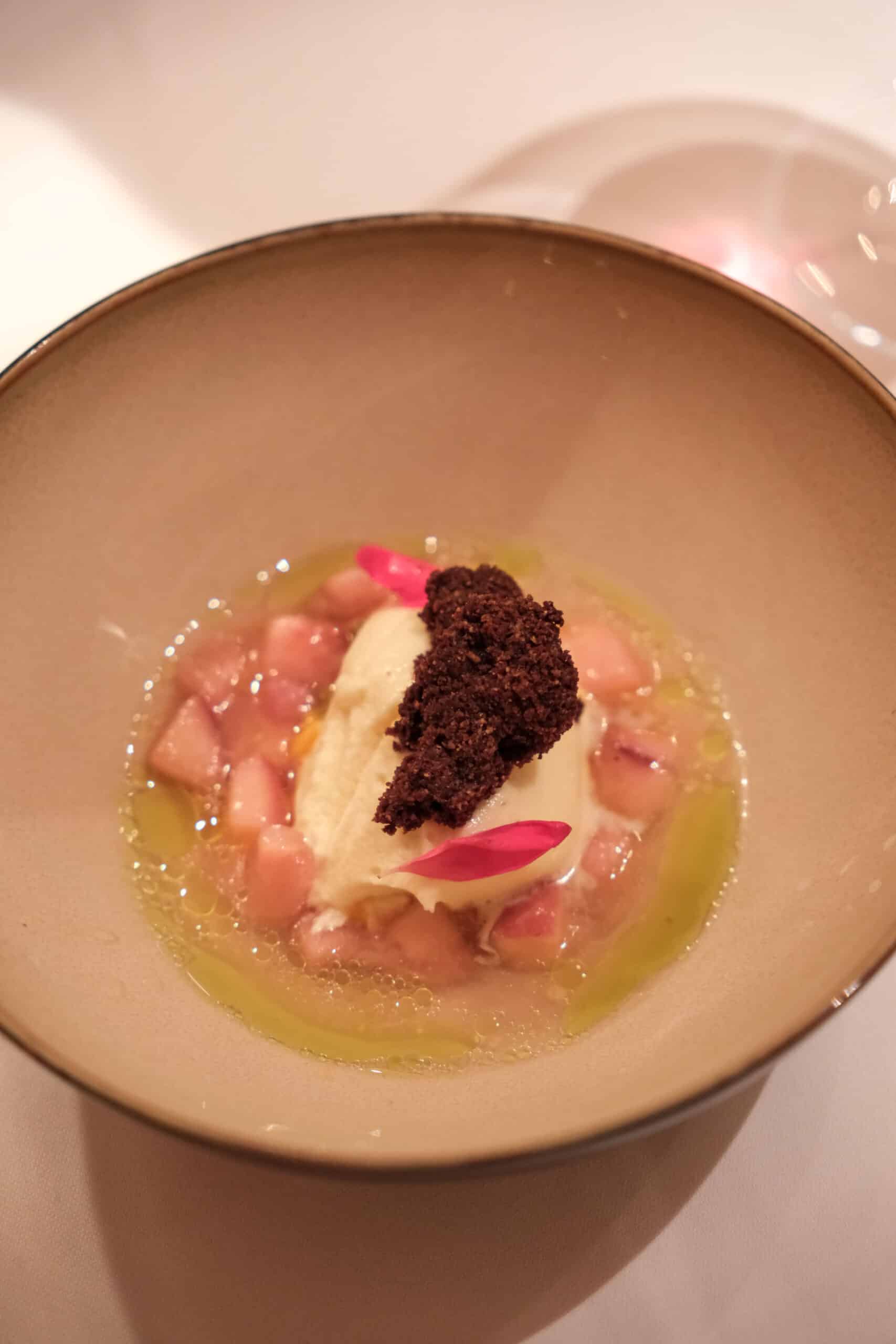
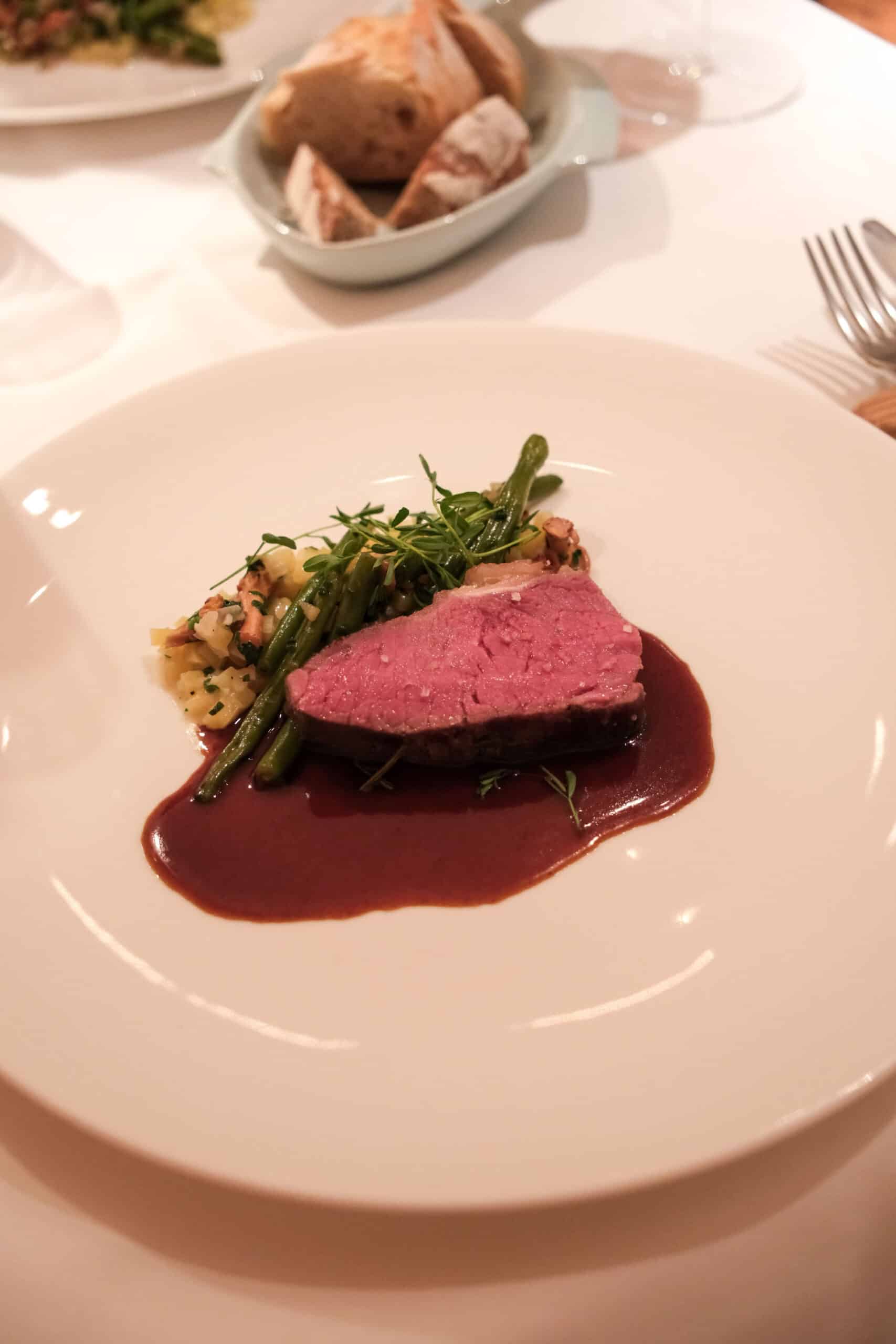
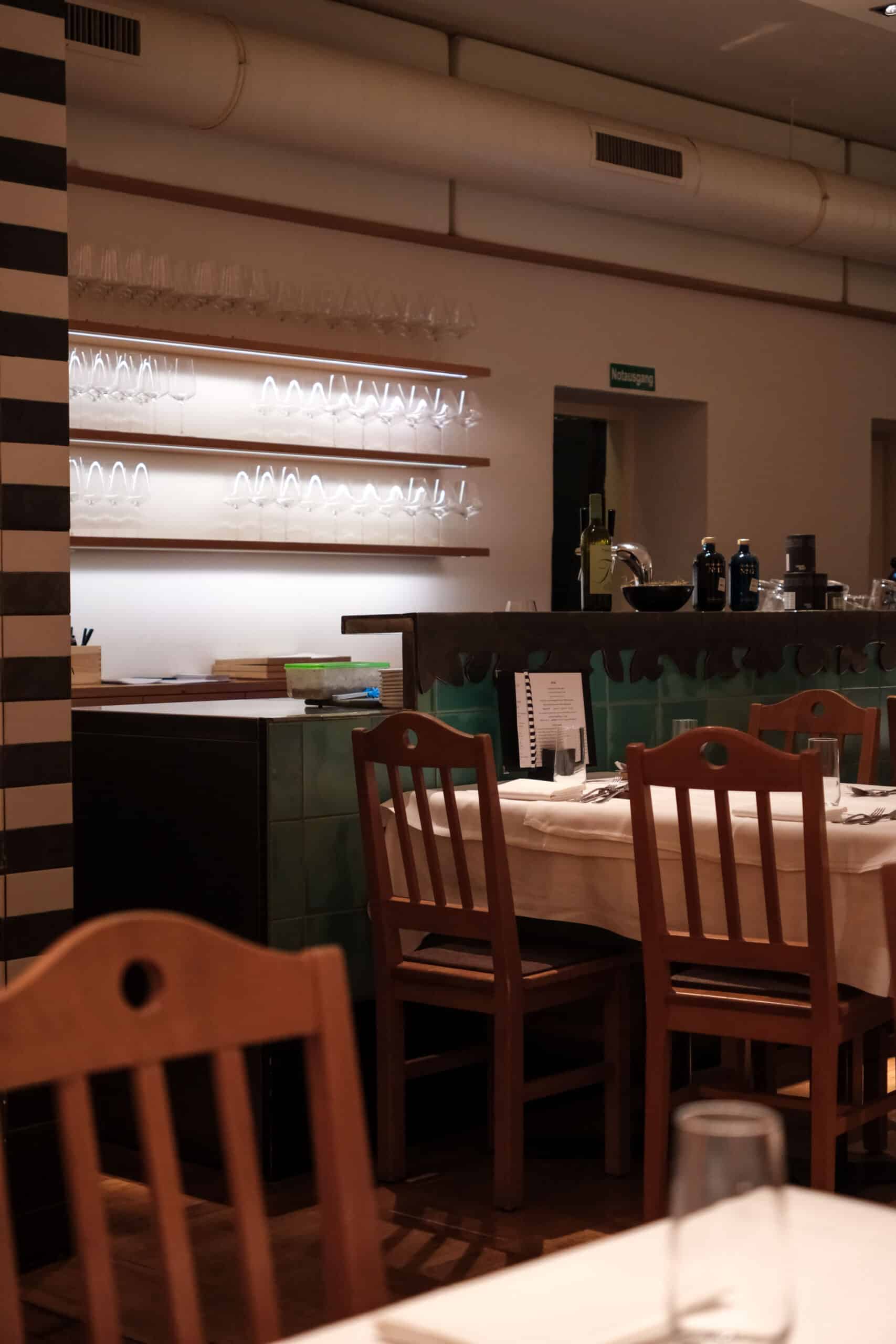
Munich, Bavaria cuisine’s traditional structure combined with the refined chef’s touches blend in a city. In particular compared to Berlin and even Hamburg it is more expensive a city is, its highly multicultural character and Bavarian culture’s richness in fact our expectations for Munich were a little high. From Michelin-starred restaurants to casual Asian eateries quite a lot places we tried but Munich didn’t really impress us with its cuisine . But still all the same the places we enjoyed the most are listed here . From traditional Bavarian taverns to seasonal chef’s menus and beyond, here are the highlights from our trip to Munich that stood out the places we visited!
Many museums in Munich reduce their ticket prices to 1 euro on Sundays. Some museums, however, can be visited free of charge. You can find out more about the free museums here.
Iconic Buildings & Historical Routes
Munich Residence: The palace of the Bavarian kings and dukes. With its magnificent Antiquarium hall, Renaissance courtyards and royal chambers, it is a veritable architectural feast in the heart of the city. You can buy your ticket at the ticket office or on this website, but do bear in mind the closing times.
Marienplatz & Neues Rathaus: The city’s heart. New Town Hall’s tower every day at specific times the historic mechanical clock performs its show (Glockenspiel) which you can watch.
Asamkirche: A hidden masterpiece featuring the most ornate and breathtaking details of Bavarian Rococo architecture.
Heilig Geist: A historic church situated right next to the Viktualienmarkt, blending Gothic and Baroque details.
Legal Library: Housed within the New Town Hall, this enchanting and photogenic Art Nouveau-style library can only be visited as part of a guided tour.
Drückebergergasse: The historic ‘shirking’ street, commemorating acts of civil disobedience through the bronze stones set into the pavement, which were used to avoid saluting the Nazi monument.
Theatinerkirche: Mustard yellow outer façade and Italian High Baroque architecture, it is the landmark of Odeonsplatz.
St Peter’s Church: The city’s oldest church; you can climb its tower to enjoy a unique panoramic view of Marienplatz.
Frauenkirche: This Gothic cathedral, famous for its onion domes and a defining feature of Munich’s skyline, is one of the city’s most important landmarks.
Nymphenburg Palace: The magnificent summer palace of the Bavarian kings. It’s a real pleasure to go for a walk in its extensive gardens.
Art, Culture and Museums
Museum Brandhorst: This museum, which catches the eye with its colourful ceramic façade, offers a superb selection of contemporary art and works by artists such as Andy Warhol.
Lenbachhaus: With its golden-coloured modern annexe, which houses works by the Der Blaue Reiter group in particular, it is an unmissable stop for art lovers.
Glyptothek: A captivating museum featuring only ancient Greek and Roman sculptures, whose impressive columned architecture transports you back to antiquity.
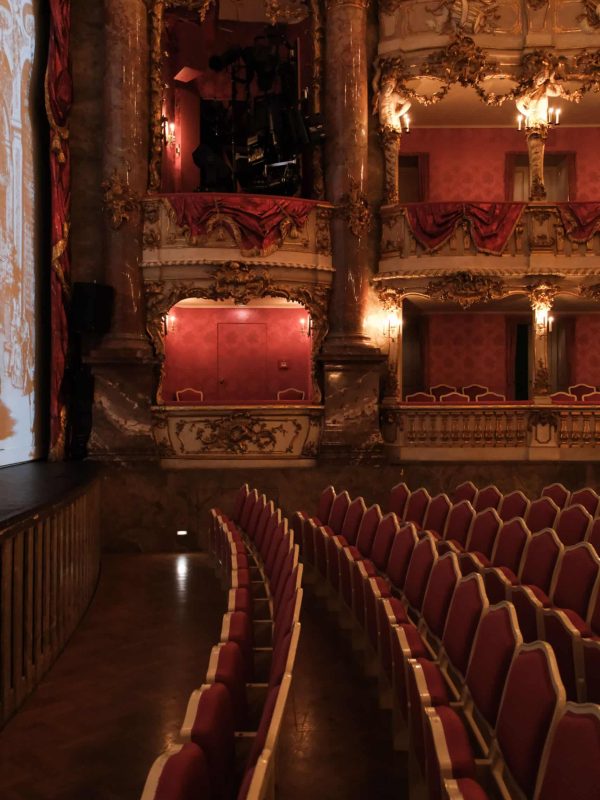
Munich Museum of Egyptian Art (Staatliches Museum Ägyptischer Kunst): A unique experience dedicated to ancient Egyptian art, featuring extraordinary modern architecture and a dimly lit atmosphere, all set underground.
Haus der Kunst: Permanent a collection that does not exist, contemporary art’s most ambitious and comprehensive temporary exhibitions home a massive structure that houses the temporary exhibitions of contemporary art.
NS Documentation Centre, Munich: An important documentation centre where the city comes to terms with its dark past, presenting the history of the National Socialist era in an objective manner through modern and striking curation.
Bavarian National Museum (Bavyera Ulusal Müzesi): Bavyera’nın zengin sanatsal ve tarihi geçmişini yansıtan, heykellerden tarihi objelere uzanan muazzam bir Avrupa kültürel tarih koleksiyonu.
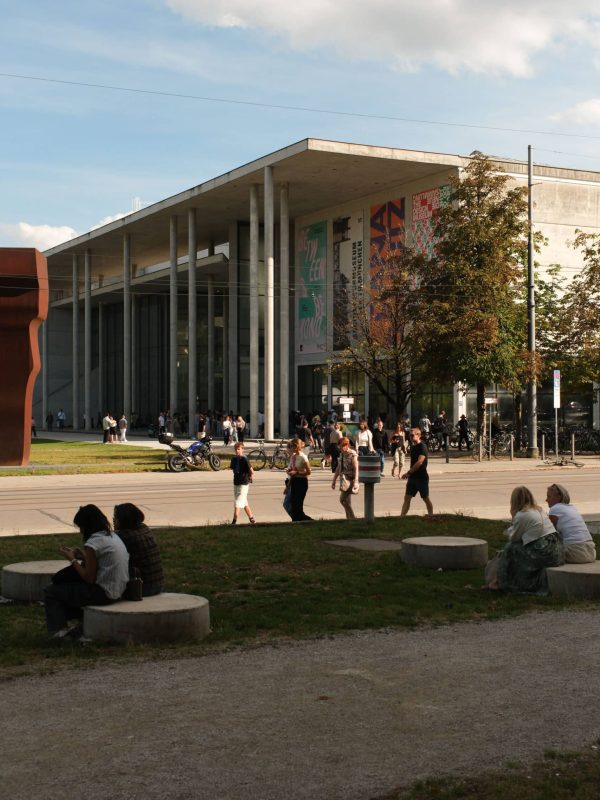
The Pinakothek Museums (Alte, Neue, der Moderne): A vast art complex spanning from the classical period to contemporary art. (Don’t forget that admission is just 1 euro on Sundays. You can take a look at the museums where admission is 1 euro on Sundays here.)
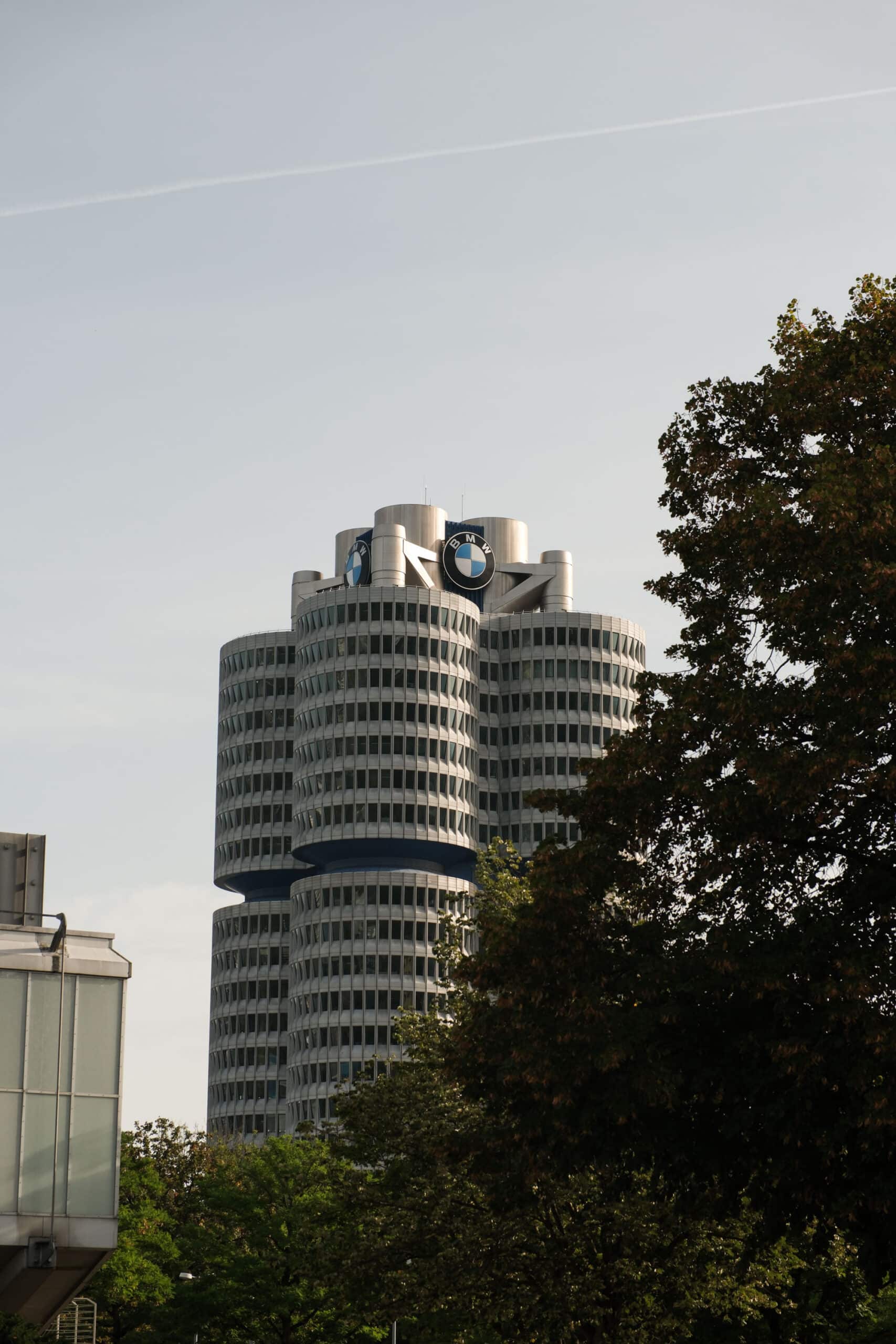
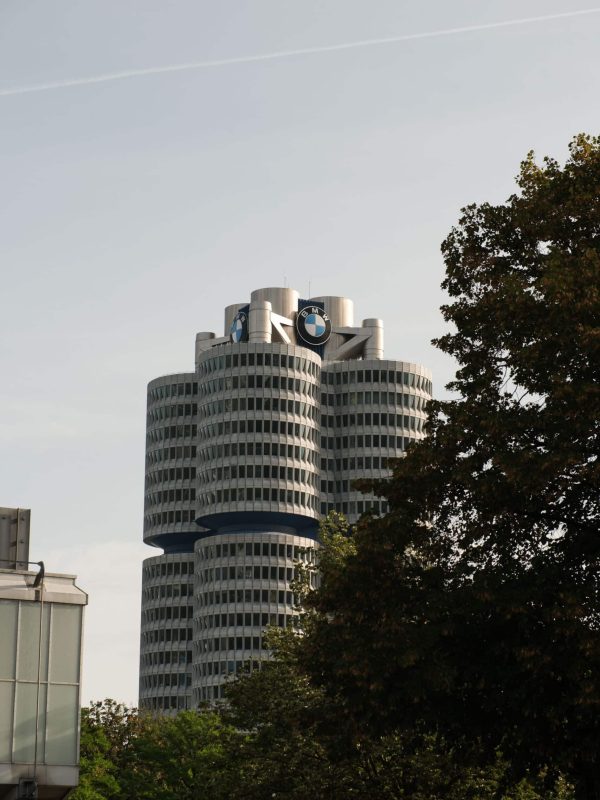
BMW Welt & BMW Museum: Even if you’re not a car enthusiast, its futuristic architecture will capture your interest, offering an enjoyable tour of technology and design that spans the brand’s history right through to the concept cars of the future.
Deutsches Museum: A science and technology museum situated on an island on the River Isar.
Nature, the Great Outdoors and Alternative Routes
Hackerbrücke: It may not be a place to visit, but it’s a brilliant spot for socialising, stretching along the railway tracks, where the people of Munich meet to enjoy an afternoon drink and watch the sunset.
Endless Staircase (Description): This ‘endless staircase’ sculpture by Olafur Eliasson, which leads nowhere, is a wonderful spot for photography and outdoor art, tucked away amongst the office blocks (KPMG).
Werksviertel-Mitte: A prime example of how a former industrial area has been transformed into a creative and dynamic hub for culture, the arts and gastronomy. A vibrant neighbourhood featuring street art, modern cafés and a Ferris wheel.
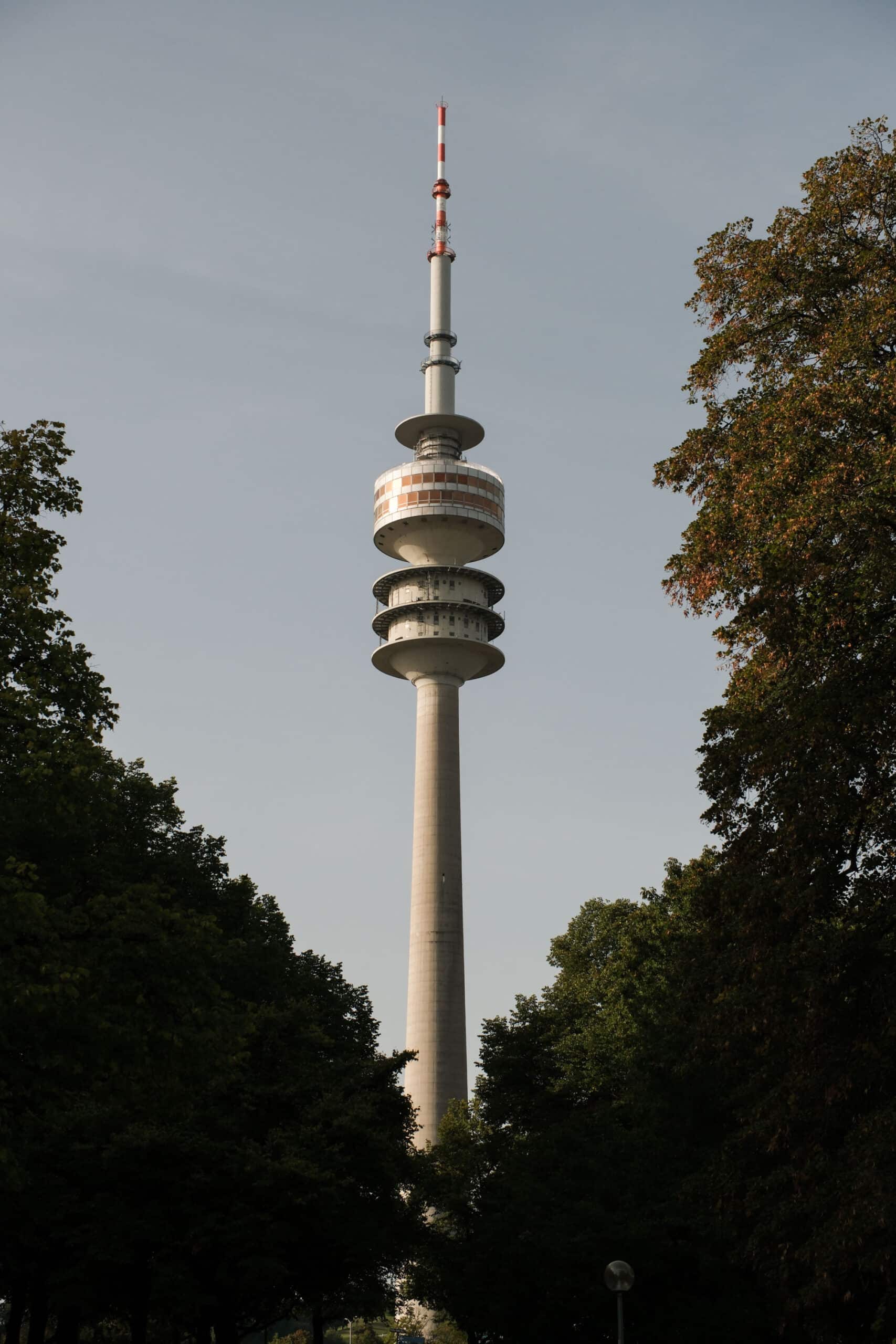
Olympiaberg: This hill, situated within the Olympiapark and built for the 1972 Olympics, offers a bird’s-eye view of the entire park and the city; it’s a wonderful walking route that’s well worth a visit, particularly at sunset or on clear days when you can see the Alps.
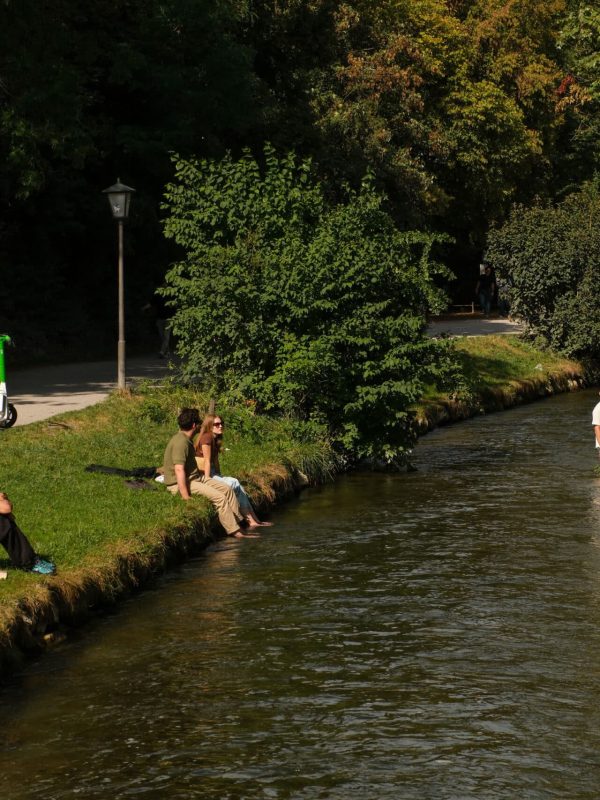
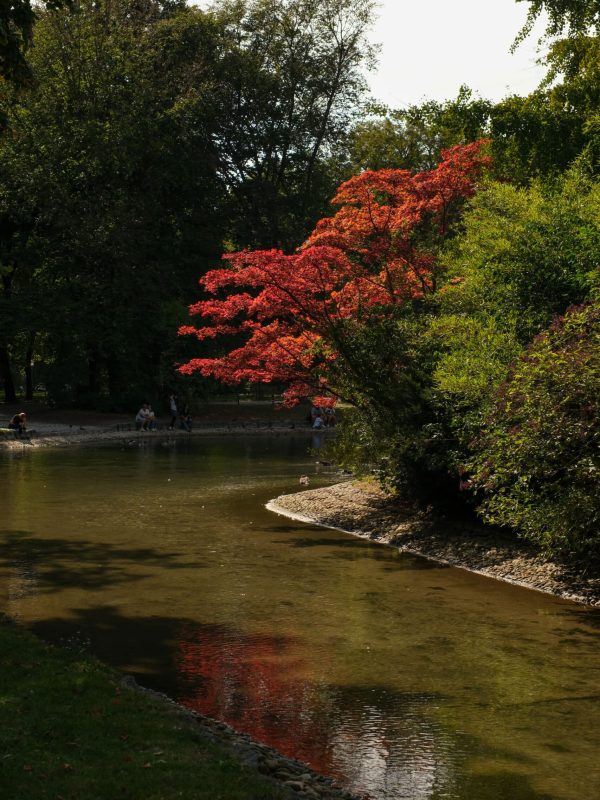
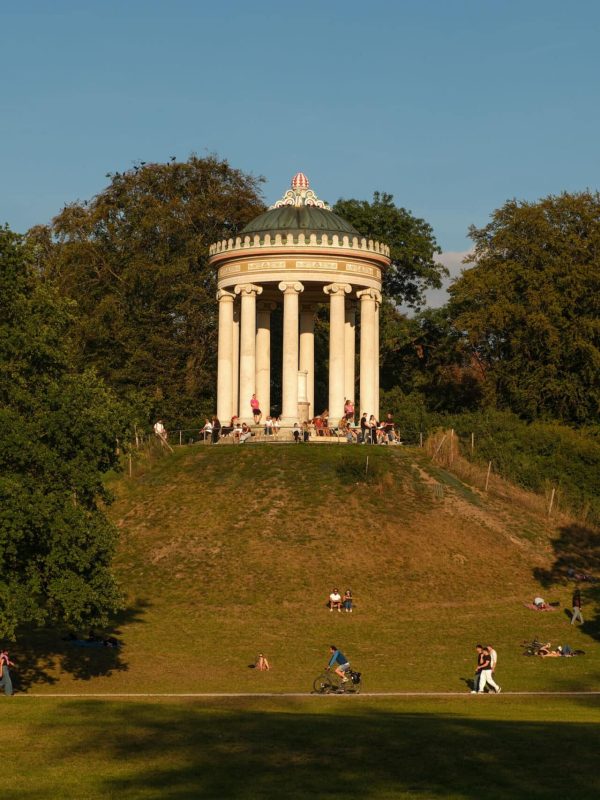
Englischer Garten (English Garden): One of Europe’s largest city parks. Ideal for watching people surfing on the Eisbach River or relaxing on the grass.








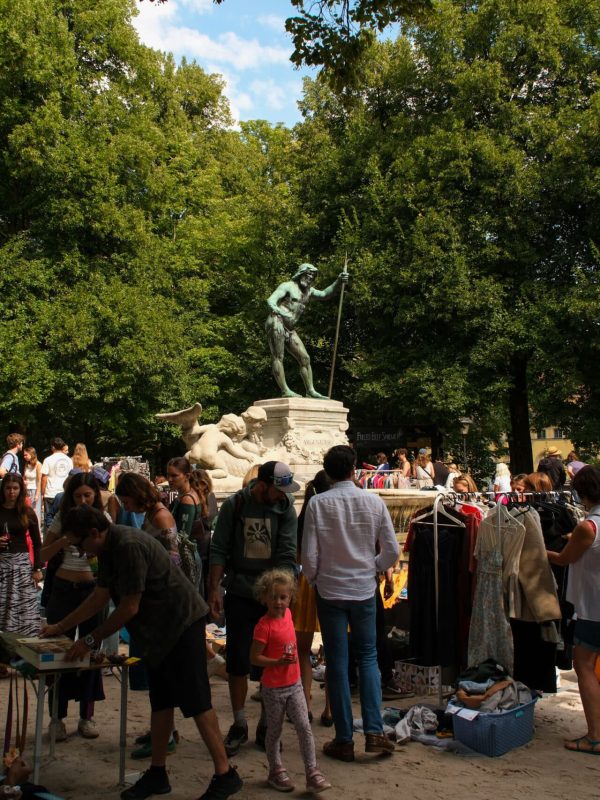

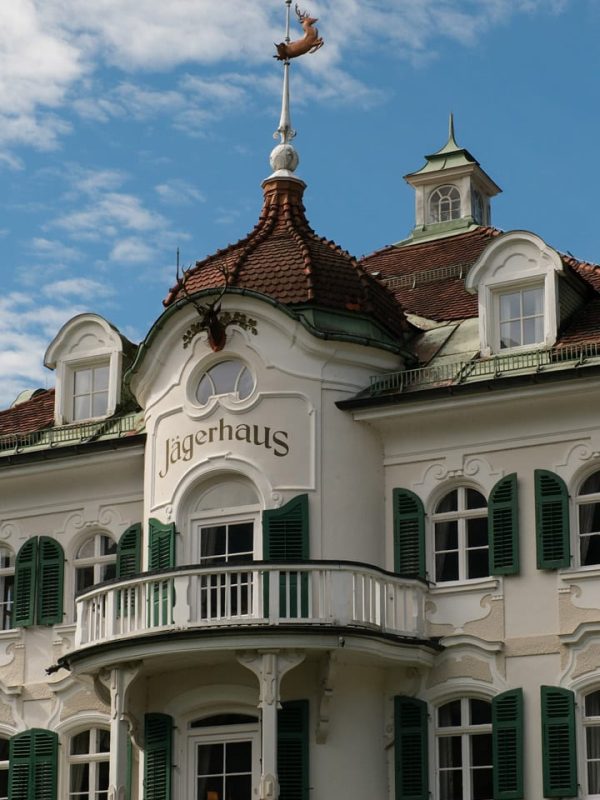
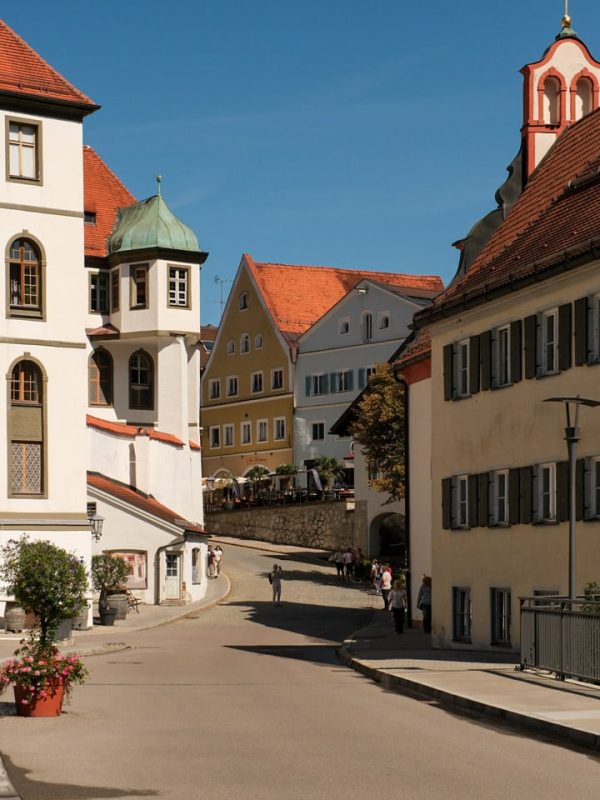



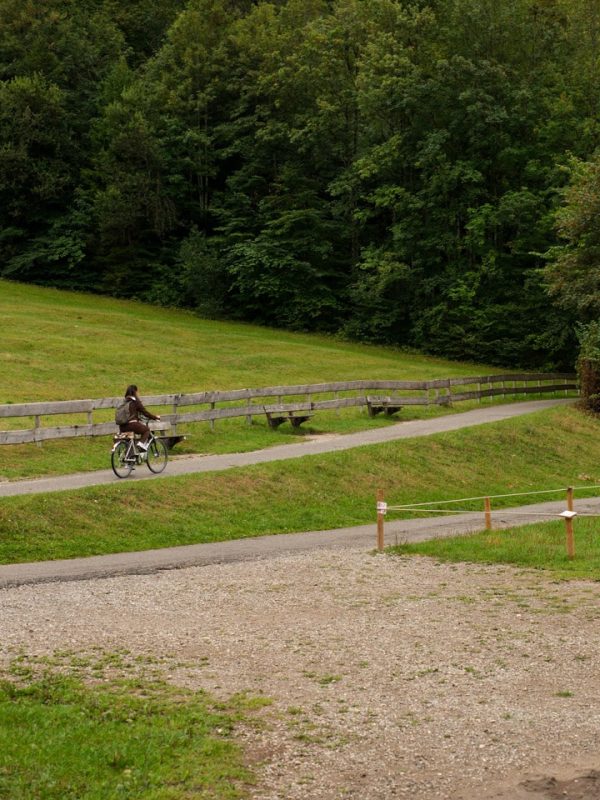
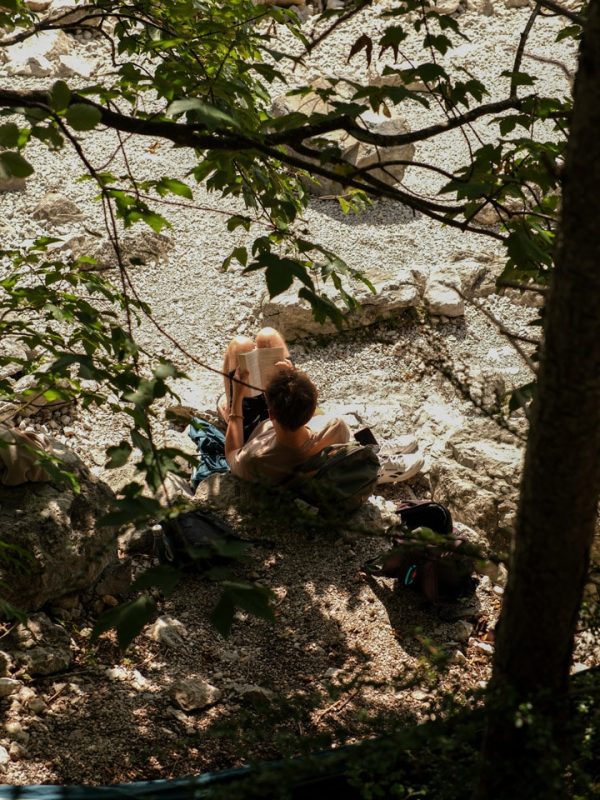
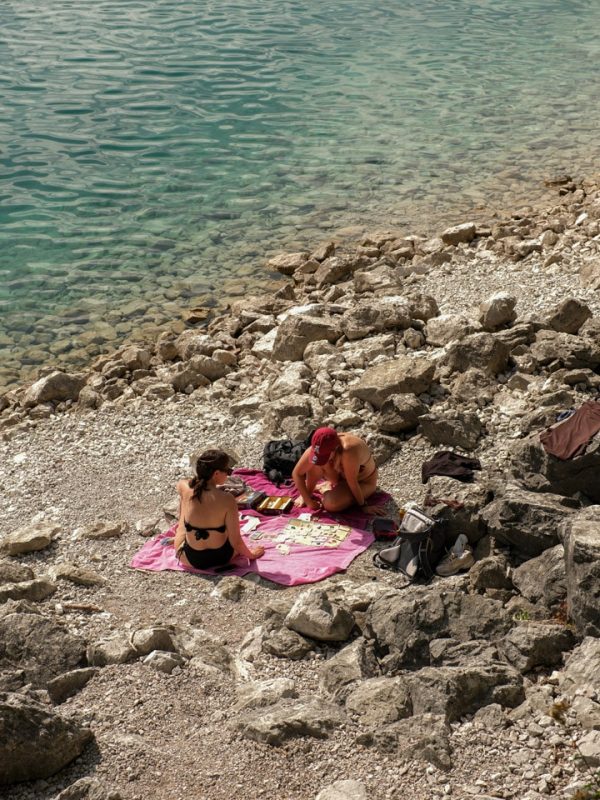
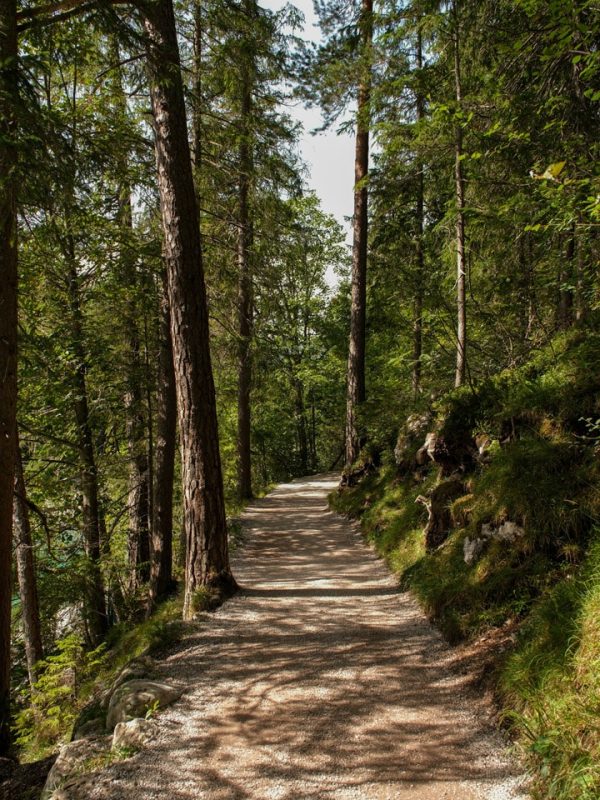
Located just an hour’s journey by train or car from Munich, Augsburg is one of Germany’s oldest cities and one of the most delightful stops on the Romantische Straße (Romantic Road). With its streets bearing traces of Renaissance architecture, its magnificent town hall (Rathaus) and the Fuggerei – the world’s oldest social housing project, dating back to the 16th century – it offers a wonderful alternative for a day trip exploring history. The city’s peaceful and tranquil atmosphere makes for a perfect break after the hustle and bustle of Munich.
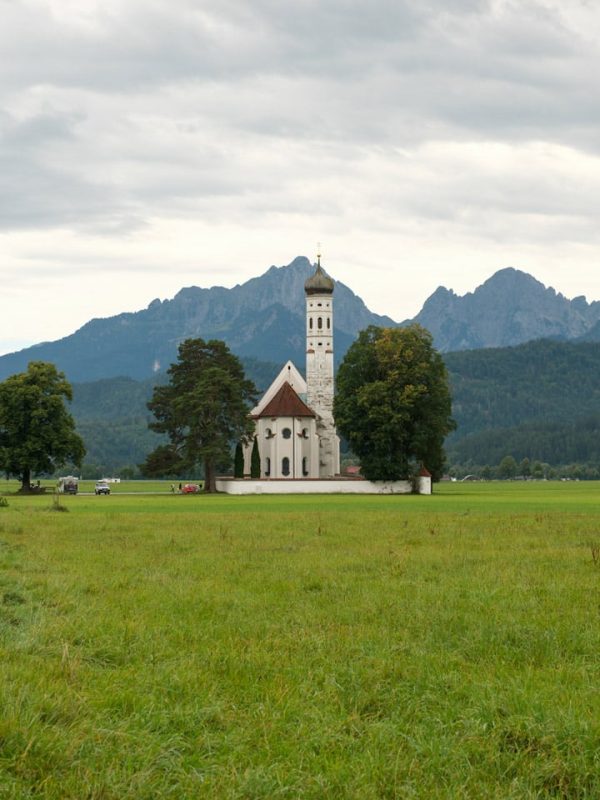
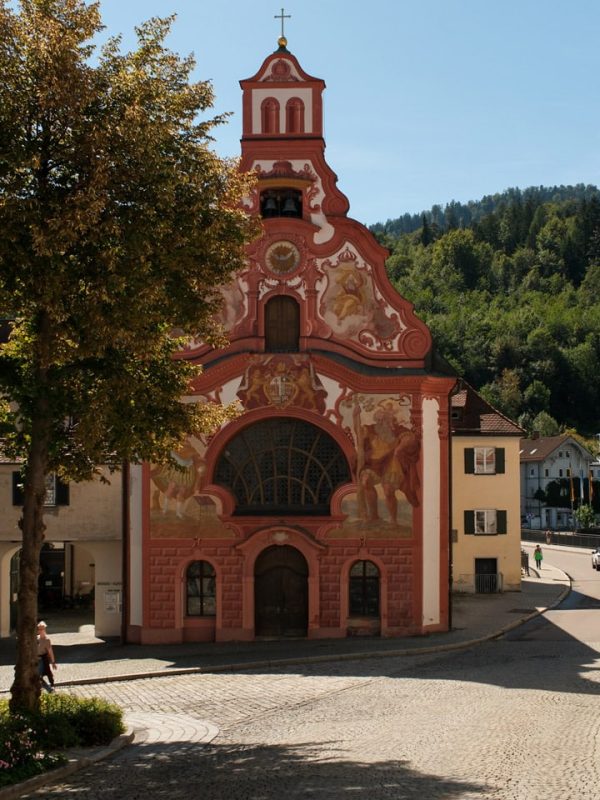
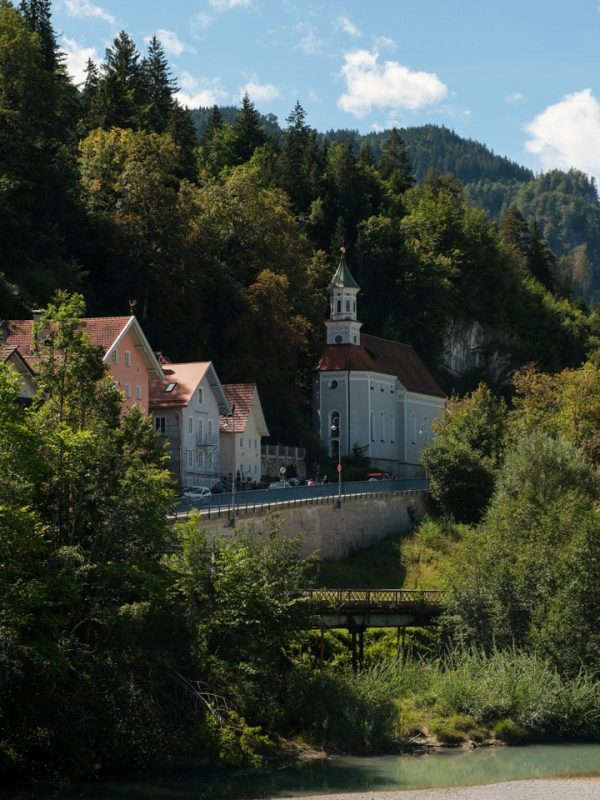
Füssen, which can be reached in around two hours’ journey from Munich, reflects the region’s rich cultural heritage with its frescoed local buildings and elegant riverside chapels. When you set off for the castles early in the morning, St Coloman’s Church, standing alone on the vast plains, greets you. Hohenschwangau Castle in the valley and the Museum of the Bavarian Kings are excellent starting points for understanding the region’s royal heritage.
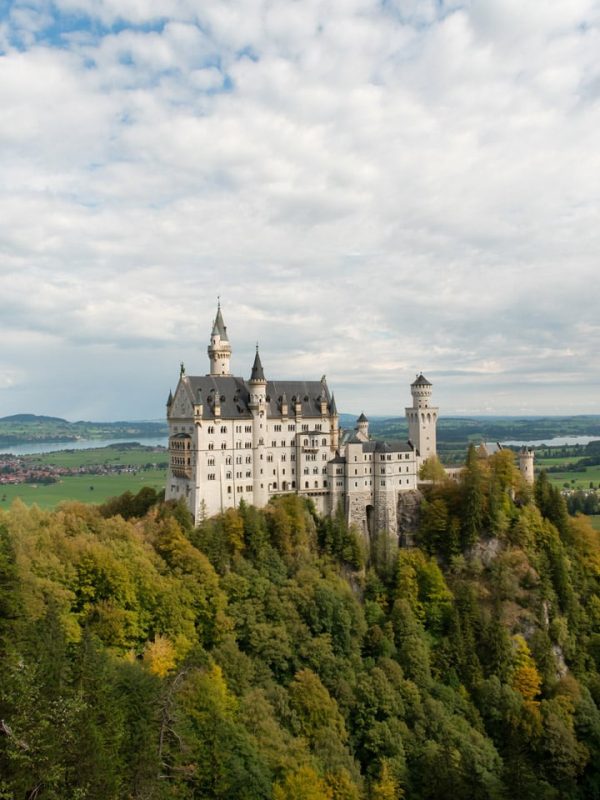
Gazing at Neuschwanstein Castle—perched on hills covered in dense forests and the inspiration behind Disney’s creations—from the iconic Marienbrücke (Marien Bridge) is truly magical. You’ll need to book tickets weeks in advance to explore the interior. Don’t worry if you don’t have a ticket or are travelling with your dog, as we were; you can leave your car at the P4 car park at Alpsee and take the €5 shuttle up to the Marienbrücke. As it gets very crowded during the day, it’s best to go early in the morning. If you buy a combined ticket that includes the museum and Hohenschwangau, don’t forget to allow 2–2.5 hours for the walk and tour between the two castles.
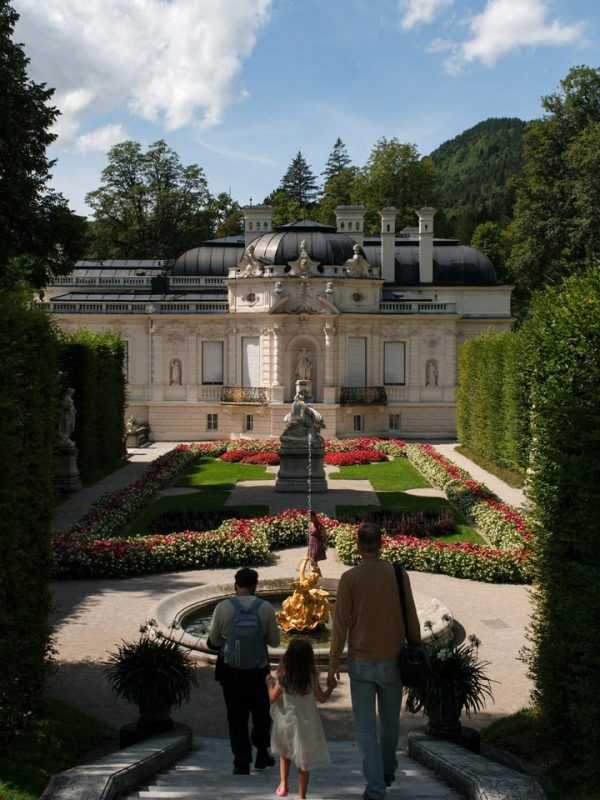
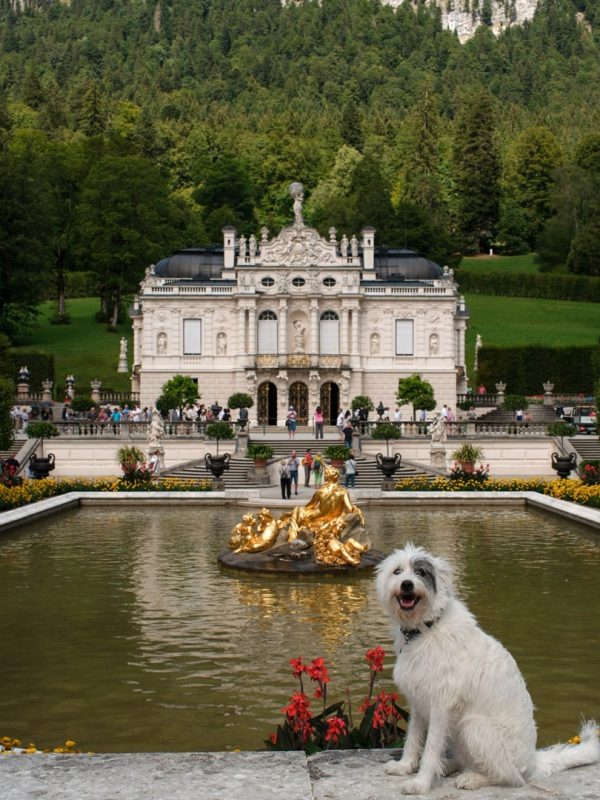
With its flawless garden symmetry and pool featuring gold detailing, it’s much easier to get tickets for Linderhof than for Neuschwanstein. Entry to the gardens is free and there are no restrictions on dogs. As only dogs carried in their owners’ arms are permitted inside the palace, Robin and I admired the palace from the outside and enjoyed the gardens to our heart’s content. Although Neuschwanstein is renowned for its fame, Linderhof’s intimate and elegant character somehow captivated us even more.
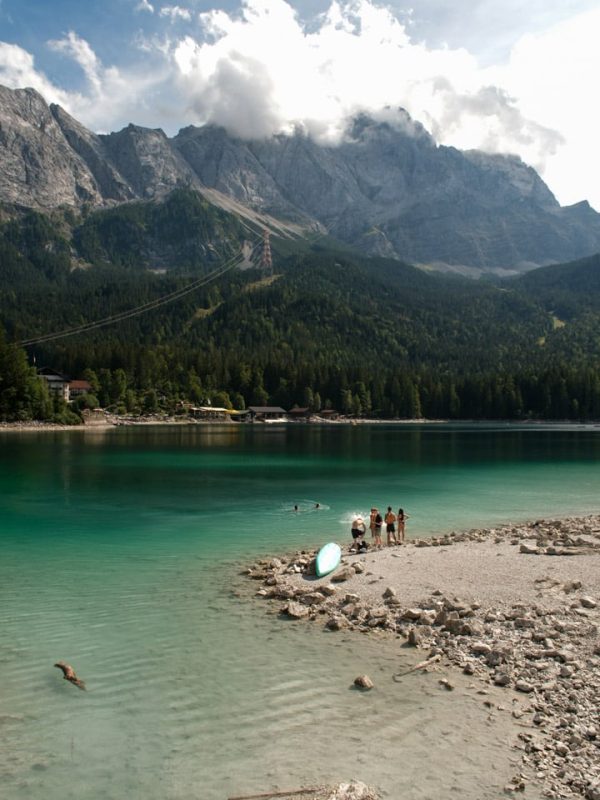
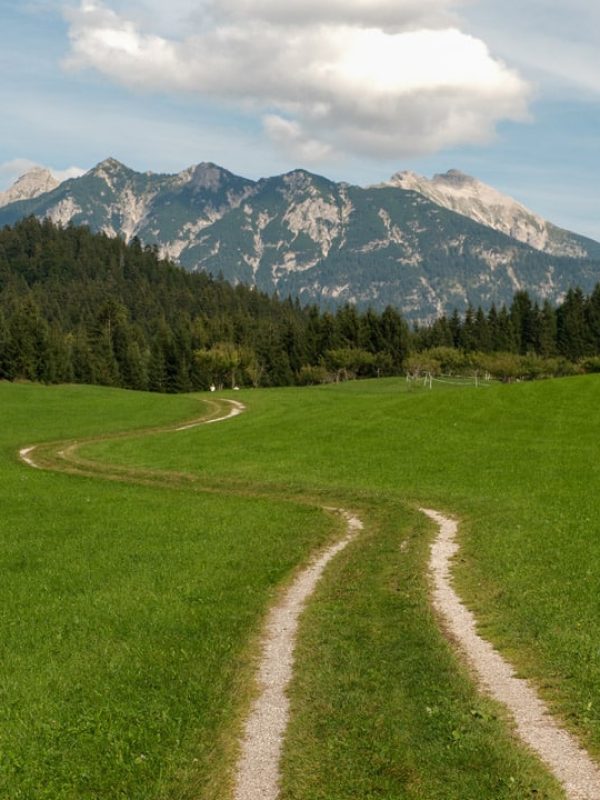
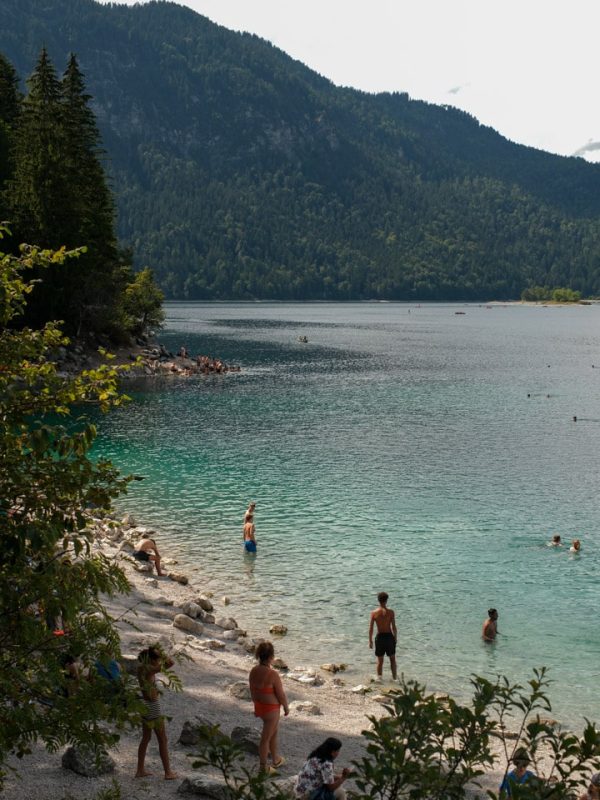
As we leave the palaces behind and turn our attention to nature, Bavaria’s unique lakes welcome us with open arms. The world-famous Eibsee offers a magnificent visual feast with its turquoise waters. As the huge car park fills up quickly and gets very crowded by midday, it’s essential to arrive early; even so, it’s still possible to find quiet spots around the lake. If you have time, you can take the cable car up to Zugspitze, Germany’s highest peak, and look down on Eibsee from above. The Wanderweg am Geroldsee on our route, whilst its waters may not be as striking as those of Eibsee, became our absolute favourite thanks to its tranquillity and mountain views; taking long walks with Robin there was incredibly peaceful. The Alpine lake, surrounded by pine trees, and Walchensee, where the mountains reflect in the water, are also among the other wonderful lake routes.
If you don’t want to limit yourself to the lakes and would like to explore Bavaria’s wilderness, you should definitely add the Partnach Gorge (Partnachklamm) – with its roaring waters cascading down sheer cliffs – and the Kuhfluchtwasserfälle waterfalls, hidden deep within the forest, to your day’s itinerary if you have time.

