

Utrecht is one of those cities that, at first glance, seems to be overshadowed by Amsterdam, but which captivates you with its unique character the moment you step onto its streets. Its canals, its centuries-old history, the youthful energy brought by its university culture, and the tranquil rhythm of everyday life… By the end of the few days we spent here, we were among those who found themselves saying, ‘I think we’ll stay in this city a little longer.’
Before you set off, if your trip includes other stops in the Netherlands, don’t forget to take a look at our recommendations for Amsterdam or Rotterdam. When you plan a visit to Utrecht alongside the capital, seeing the different sides of the Netherlands really rounds off the experience beautifully.
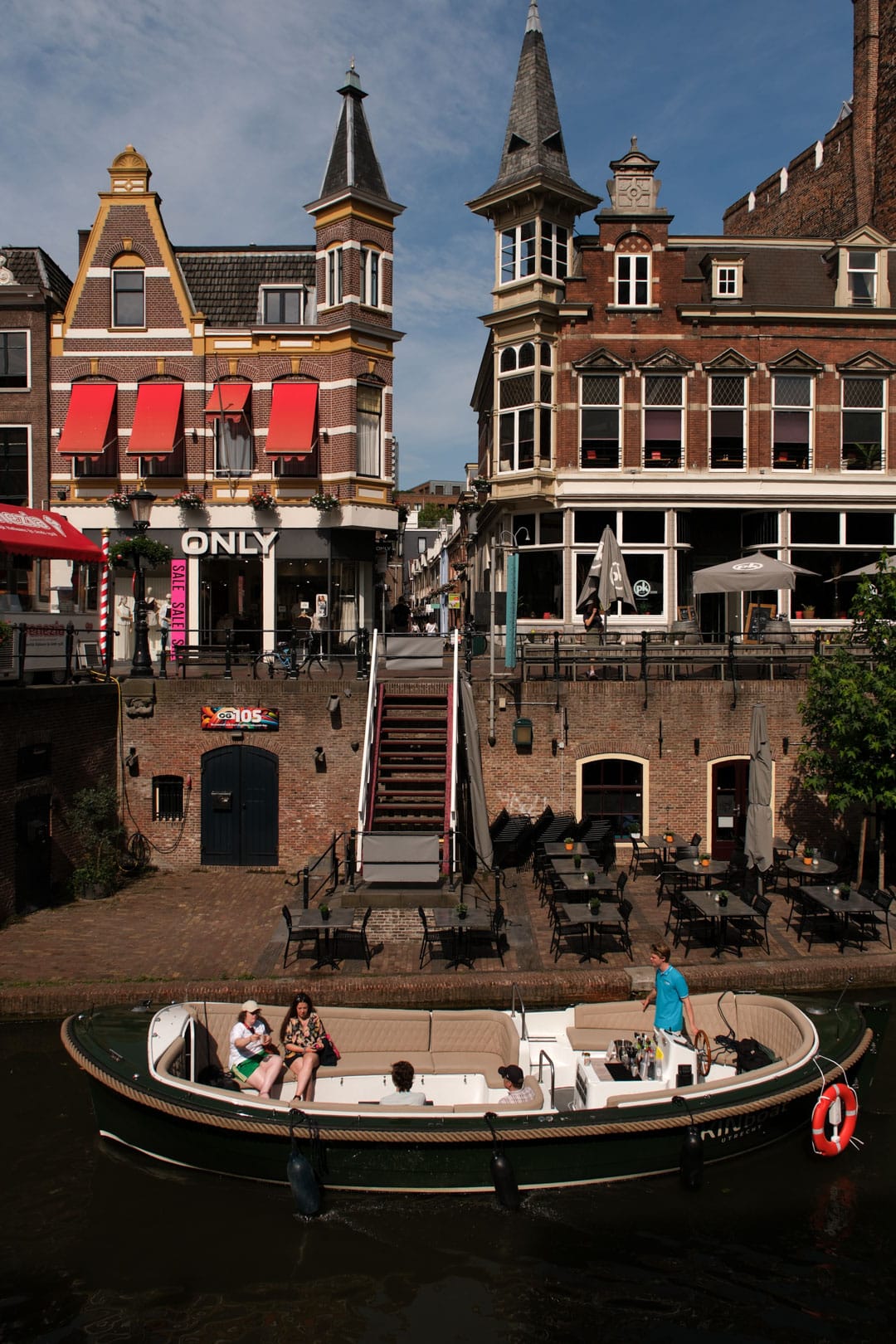
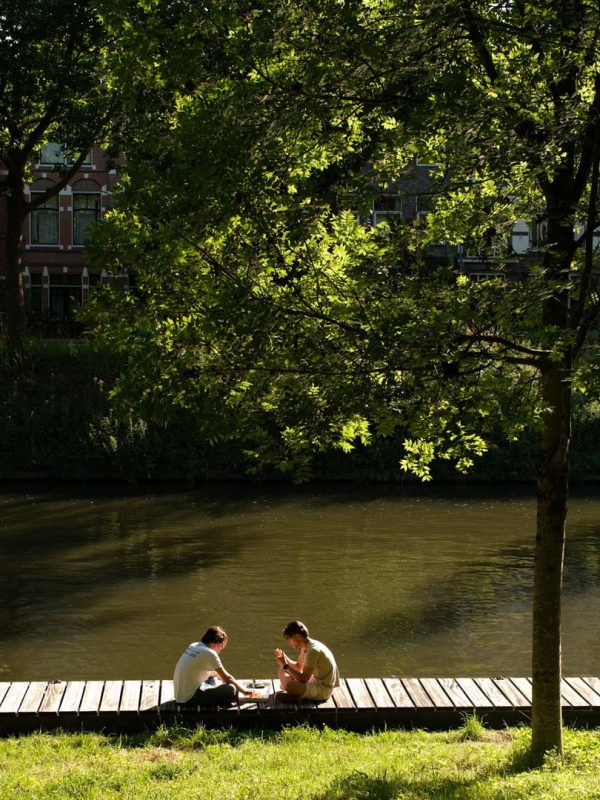
Utrecht, one of the Netherlands’ most important centres of culture and education, has a unique character where history and contemporary life intertwine. The city has two main canals; in fact, as the old city moat—which was once converted into a motorway—has been refilled with water and restored to its historic appearance, it is effectively possible to speak of three canals. Of these canals, the Oudegracht (Old Canal) in particular stands out for its unique two-tiered structure: whilst pedestrians and vehicles move along the upper level, the lower level at water level features homes converted from old cellars, footpaths, cafés and restaurants.
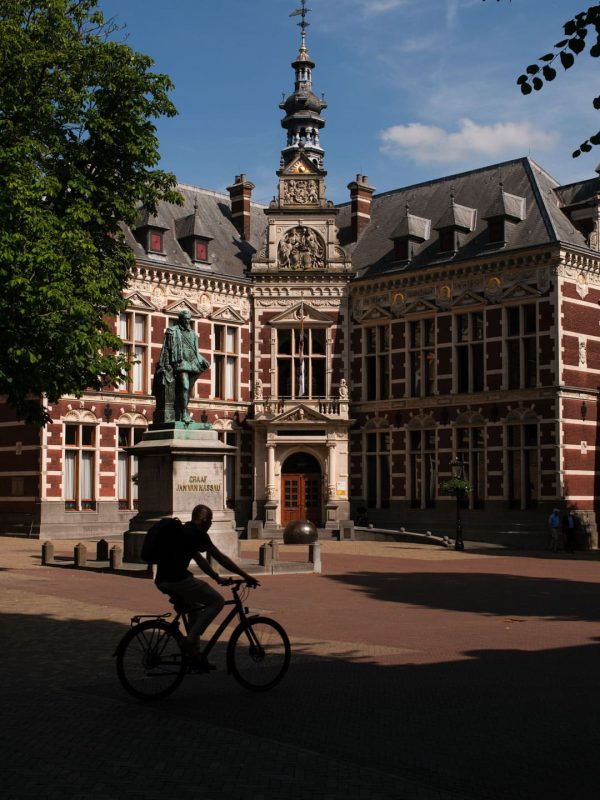
The city, home to Utrecht University—one of the country’s most established educational institutions—has largely switched to car-free transport in recent years. Apart from taxis and buses, it is almost impossible to spot motorised vehicles on the streets. Cycling forms the backbone of the city’s transport system; this lends the city an extraordinary sense of tranquillity, peace and freedom, even on a Monday. The city’s most distinctive landmark is the Dom Tower (Domtoren), the imposing bell tower of the historic St Martin’s Cathedral.
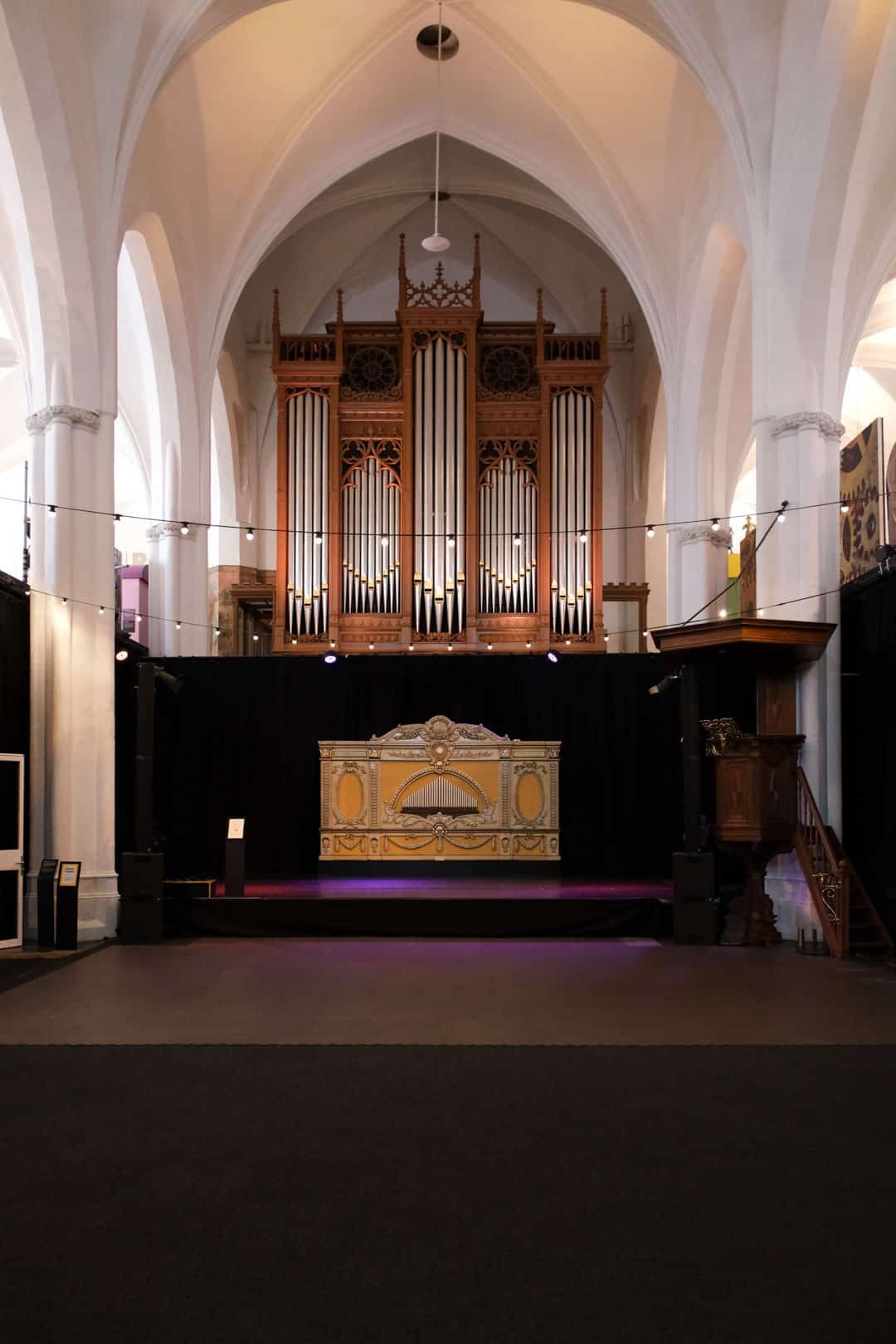
Whilst the culinary culture and cuisine may not have made a particularly strong impression on us, it is worth noting that the overall standard of venues and service in the city is exceptionally high. Furthermore, Utrecht boasts an incredibly rich variety of museums relative to its size. The Museum Speelklok, where you can experience various mechanical musical instruments and organs, the Centraal Museum, which focuses on modern art, the Rietveld Schröder House with its architecture far ahead of its time, and the fairytale-like De Haar Castle, situated very close to the city, were among our favourite stops.
Utrecht is a destination compact enough to fit into a weekend, yet so rich in detail that, the more you explore it, the more you’ll find yourself wanting to stay a few days longer.
On this trip, we stayed at the Park Plaza Utrecht hotel because of its proximity to the train station and the city centre; it proved to be a very practical choice in terms of transport and location. Utrecht generally gives the impression of being an extremely safe city. However, the area around the train station may occasionally require extra caution for some travellers; although we didn’t experience any issues ourselves, we’d like to mention this as a small note for those who are particularly sensitive to such matters when choosing accommodation.
Getting to Utrecht from Turkey is just as easy as getting to Amsterdam. The city doesn’t have its own airport, but there’s no need for one; Amsterdam Schiphol Airport is only 30 minutes away.
Flights from Turkey: You can reach the Netherlands in approximately 3.5–4 hours via direct flights from cities such as Istanbul, Ankara and Izmir. With KLM (Royal Dutch Airlines), which stands out on this route for its comfort and high standard of service, you can fly directly to Schiphol Airport and start your trip in comfort whilst still in the air.
Getting from the airport to Utrecht: You can reach Utrecht Centraal (Central Station) in around 30 minutes without changing trains, on direct NS (Dutch Railways) trains that depart from just below Schiphol Airport.
Getting around the city: Utrecht is an incredibly walkable city. We walked almost everywhere during our trip, and only used Uber on the few occasions when the distances were a bit too far. If you’d like to use public transport, the system operates with contactless cards (OVpay).
Here are the highlights from our time in Utrecht, our favourite spots, and our guide for those visiting the city for the first time…

Restaurants:
– Bistro Madeleine
– Restaurant Maeve
– Sea Salt Saloon
– Bar Bet
– Restaurant Concours
– Restobar Rosie
– Morrow
– Restaurant Jus en Pepper
– Cafe Restaurant Terroir
Pizza:
– Pizza Beppe
– O’Panuozzo Napoli
Cafe / Bakery / Specialty Coffee:
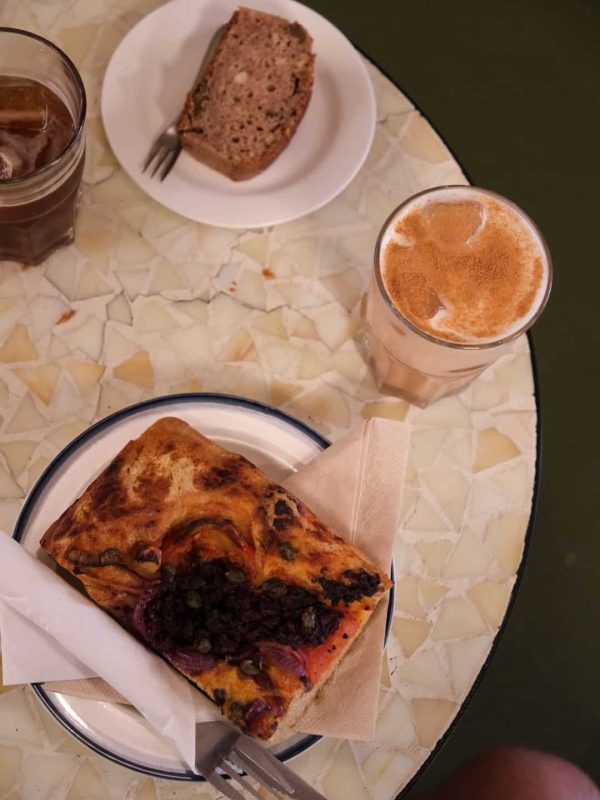
– Bakkerij Kameel
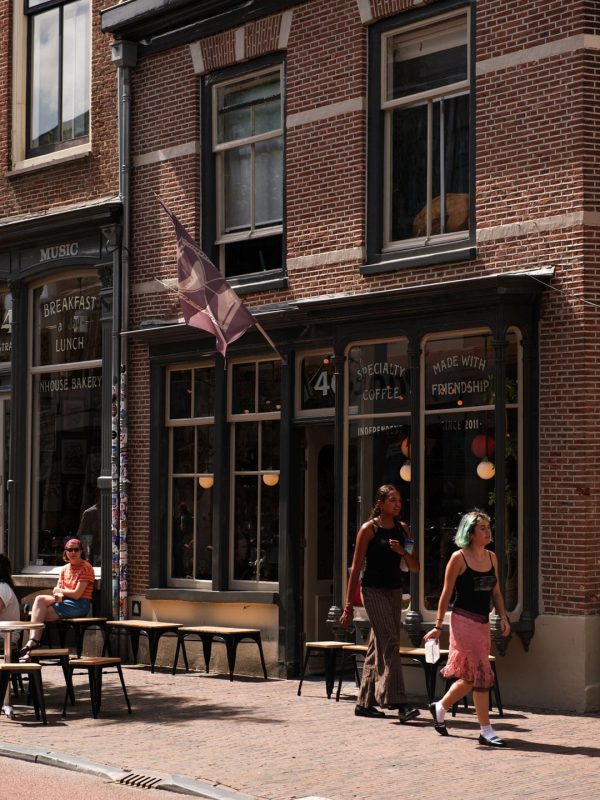
– The Village Coffee
– KLUTS koffie & vegan bakkerij
– KEEK bakkerij
– Keen Coffee Bar
– Cafedaki Utrecht
– Cafca
– Jacques
– Wakuli Coffee
– Black Brew
– Blackbird Coffee
– LUCA IJssalon Ice Cream
– Cupp
Street Food:
– Broodje Mario
– Bocata
– Manneken Pis Utrecht
– Broodje Ben
– Juuls Hummus
– The Streetfood Club
Places to Visit Sights & Parks:
• Domkerk & Dom Tower
• Pandhof van de Dom
• Rietveld Schröderhuis
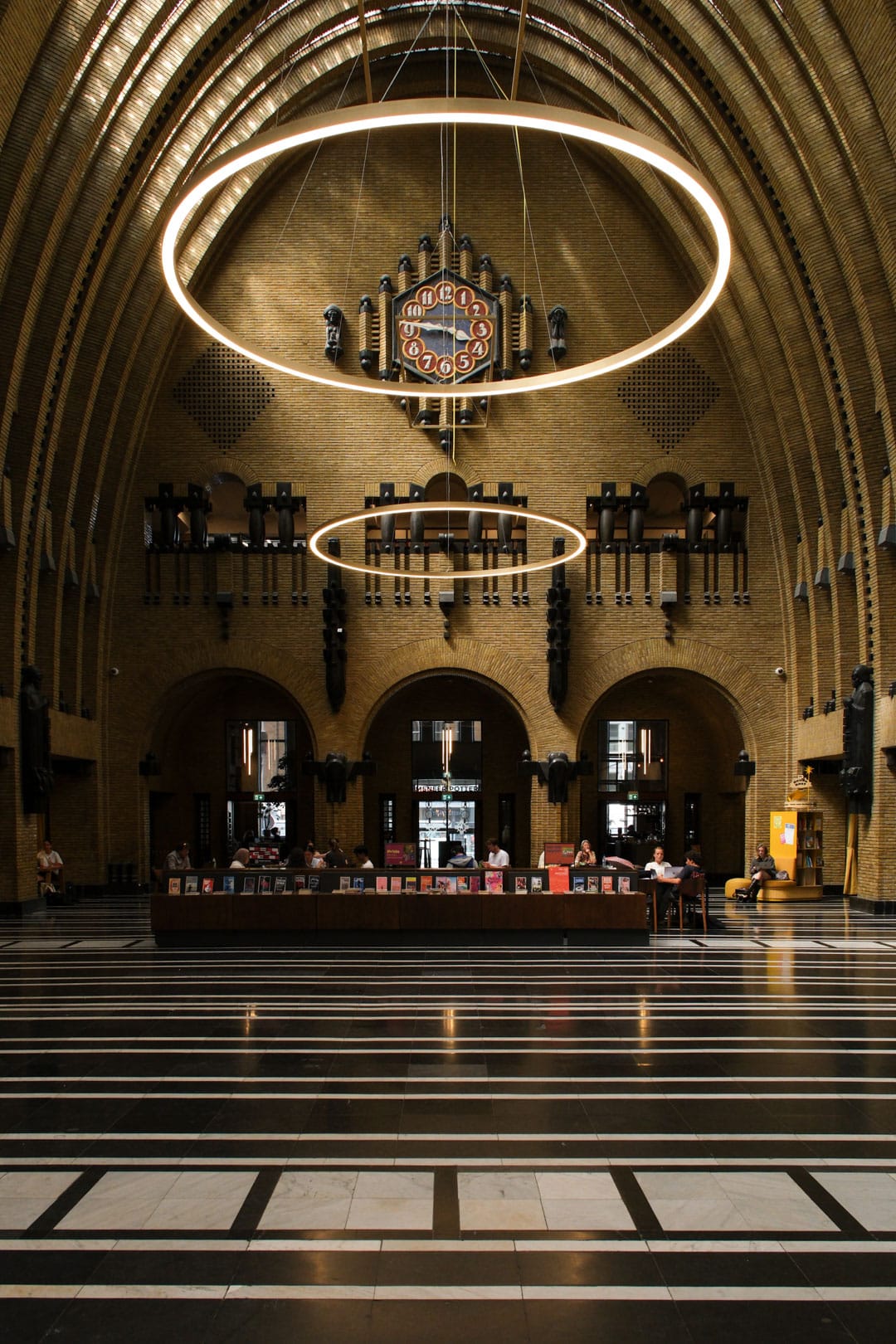
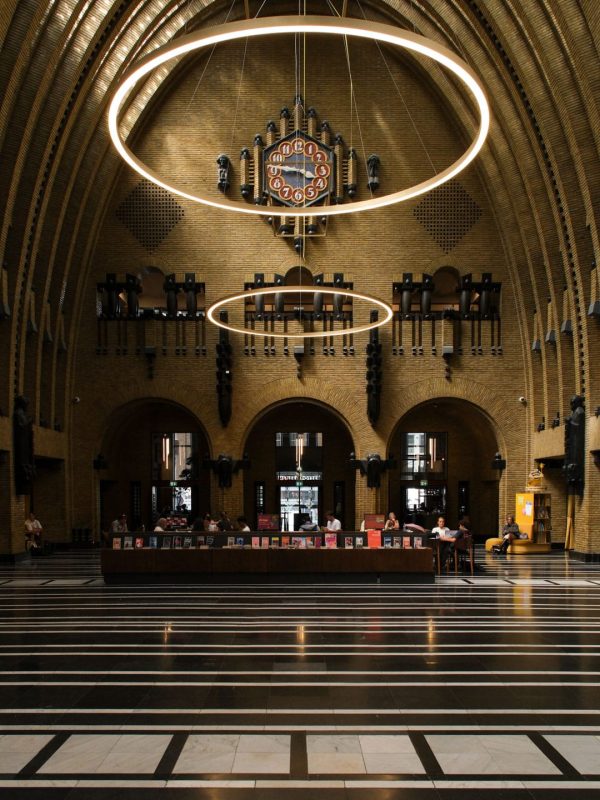
• Bibliotheek Utrecht
• De Haar Castle
• Centraal Museum
• Museum Speelklok
• The Railway Museum Spoorwegmuseum
• Museum Catharijneconvent
• Sonnenborgh Museum & Sterrenwacht
• Nijntje Museum
• Wilhelminapark
• Utrecht Botanic Gardens
• Oude Hortus
• Julianapark
• Máximapark
• Haarrijnseplas
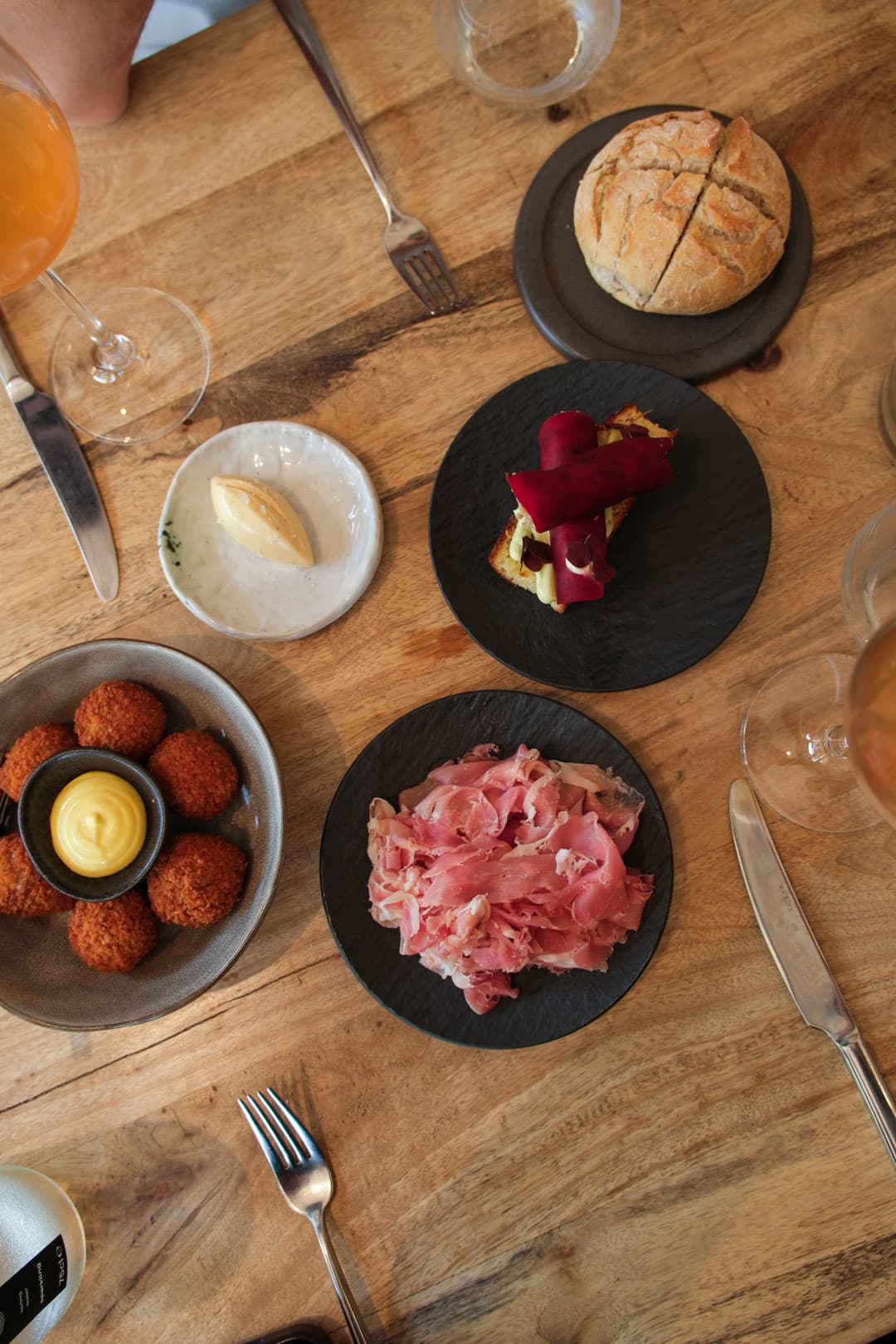
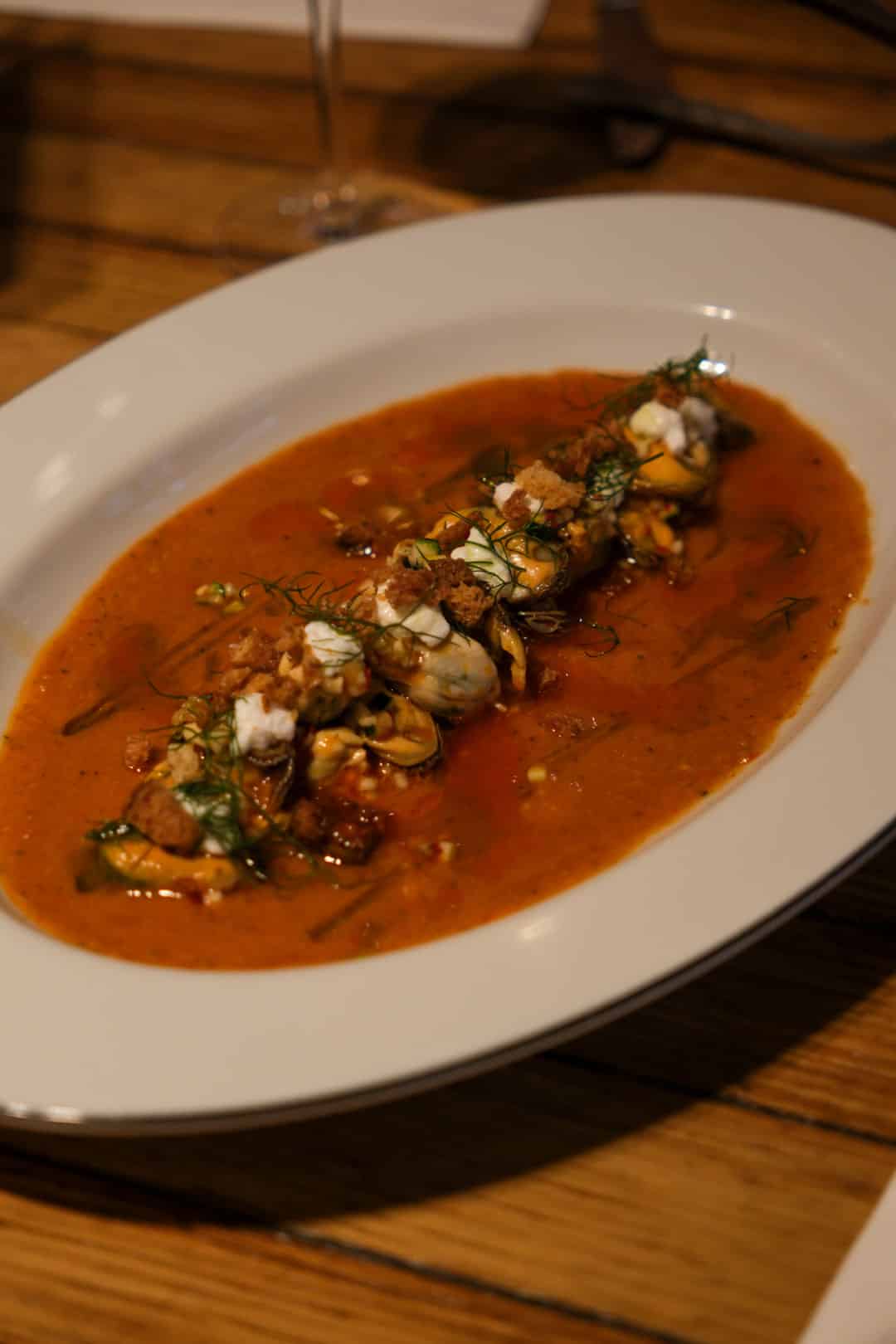
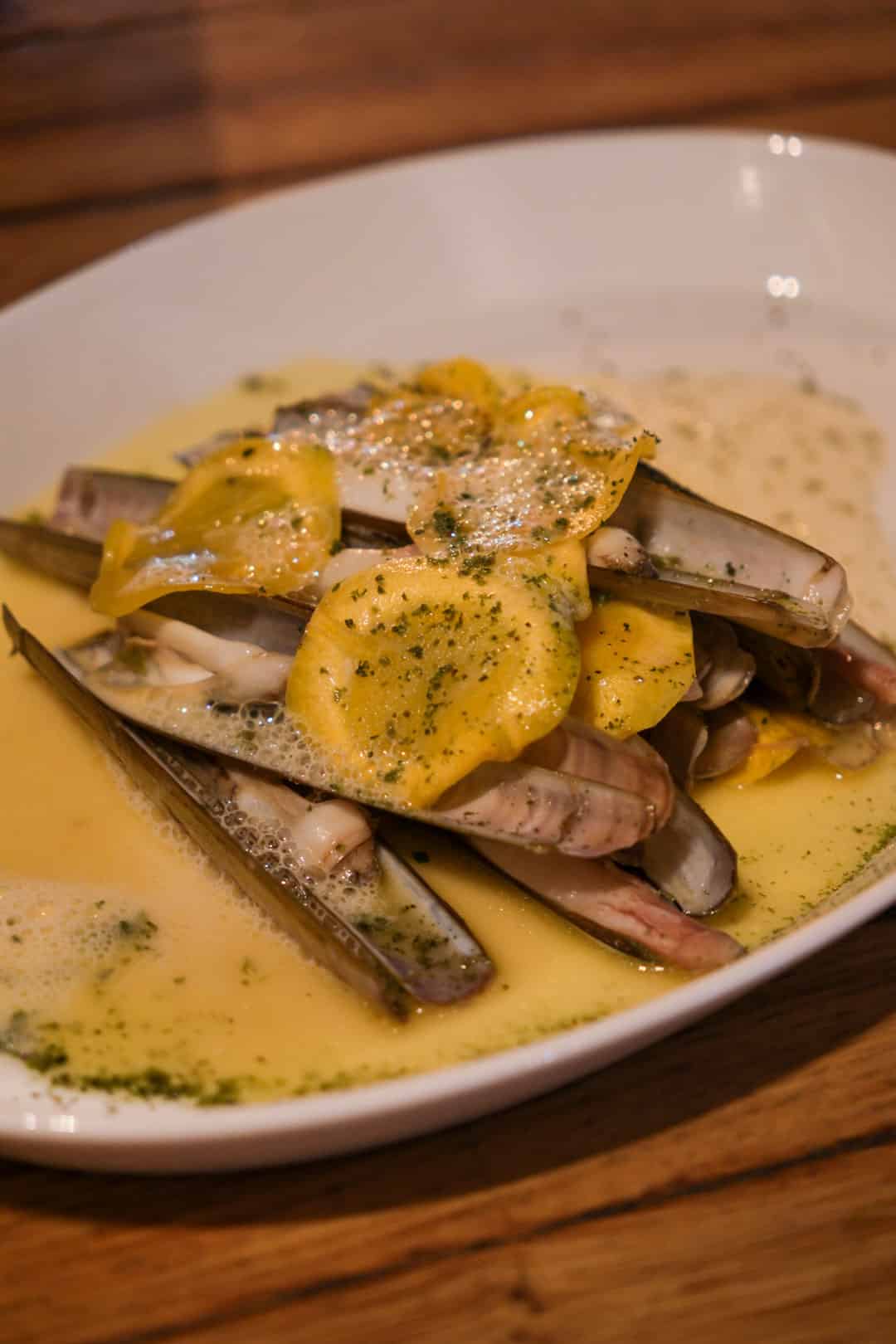
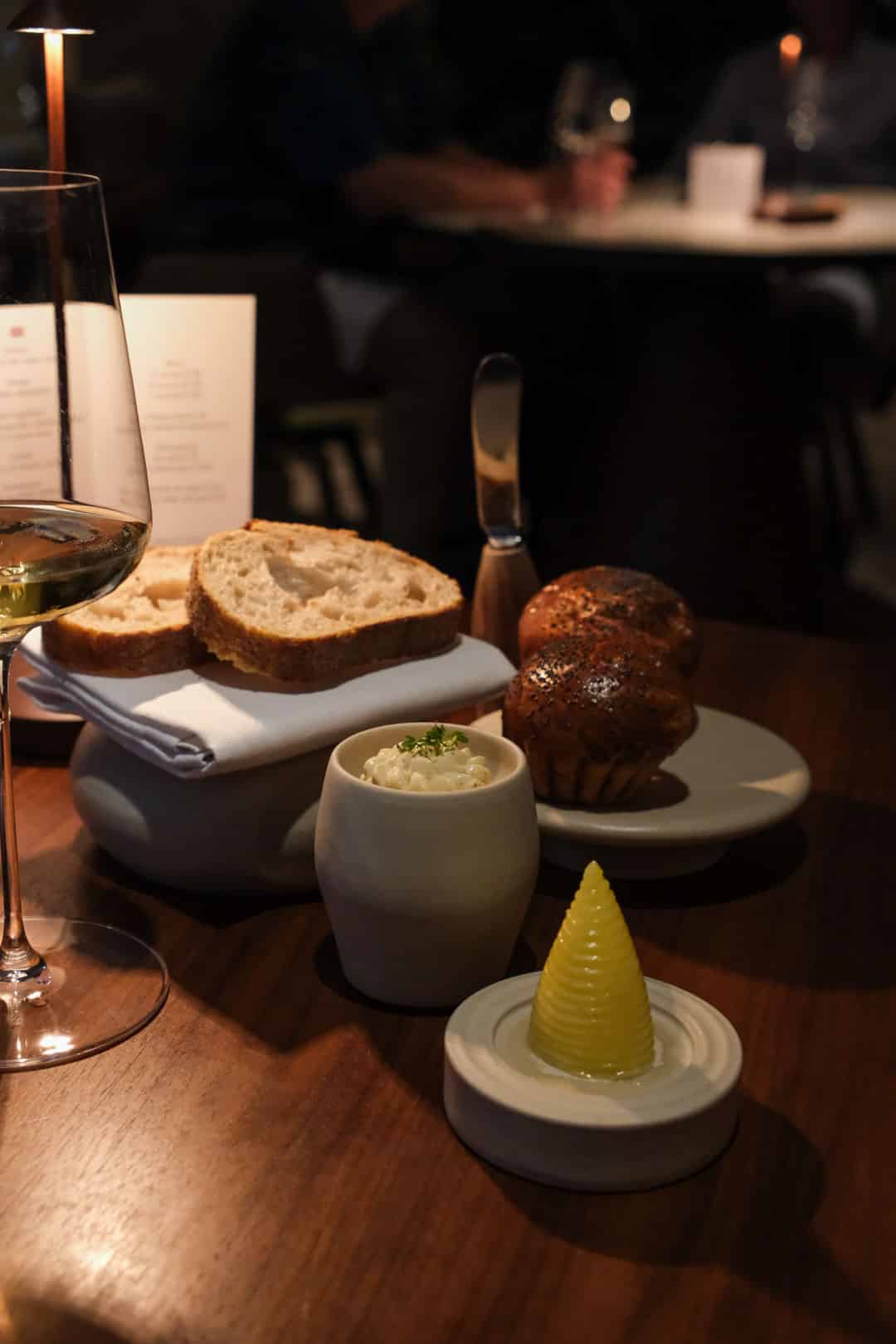
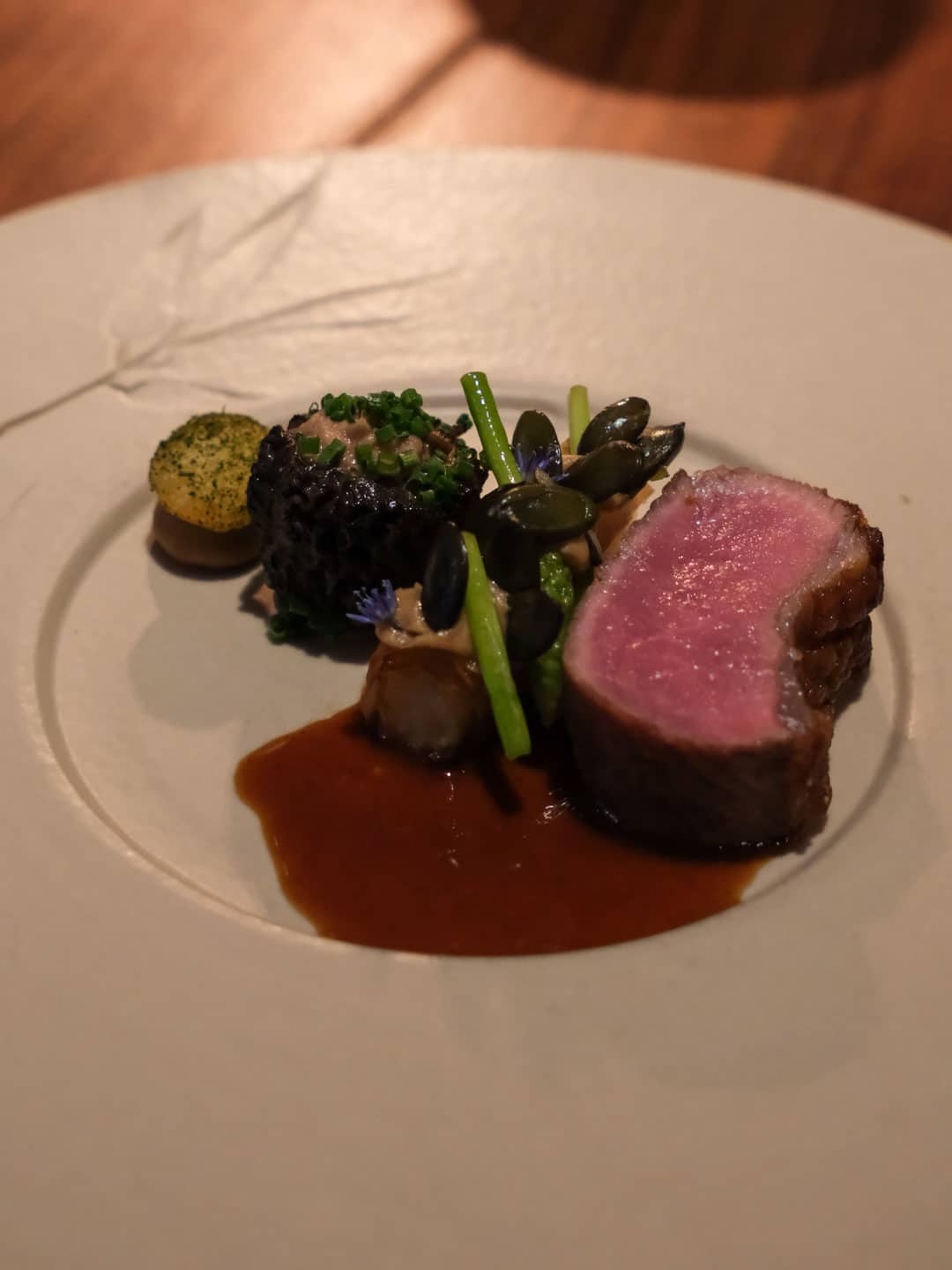
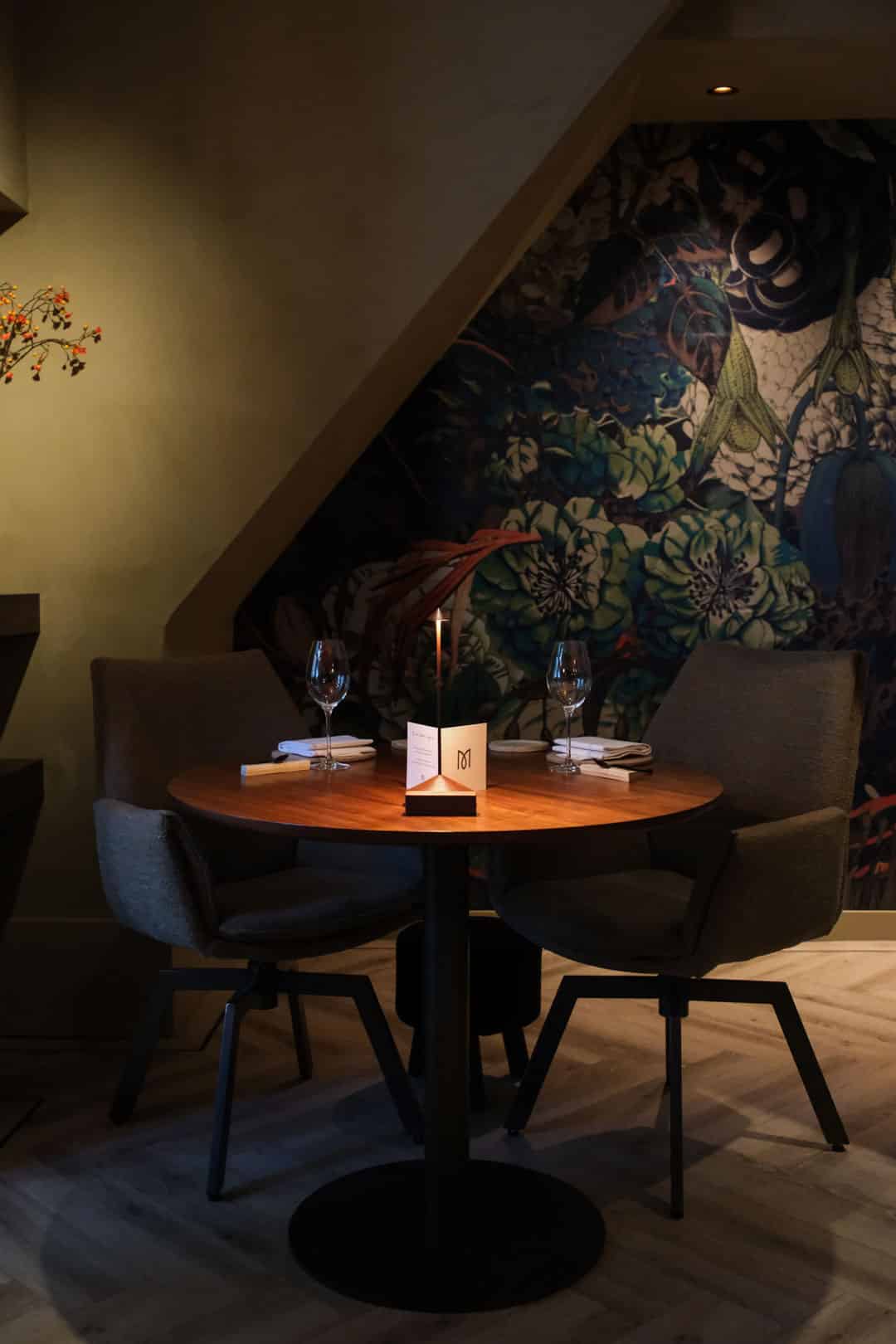
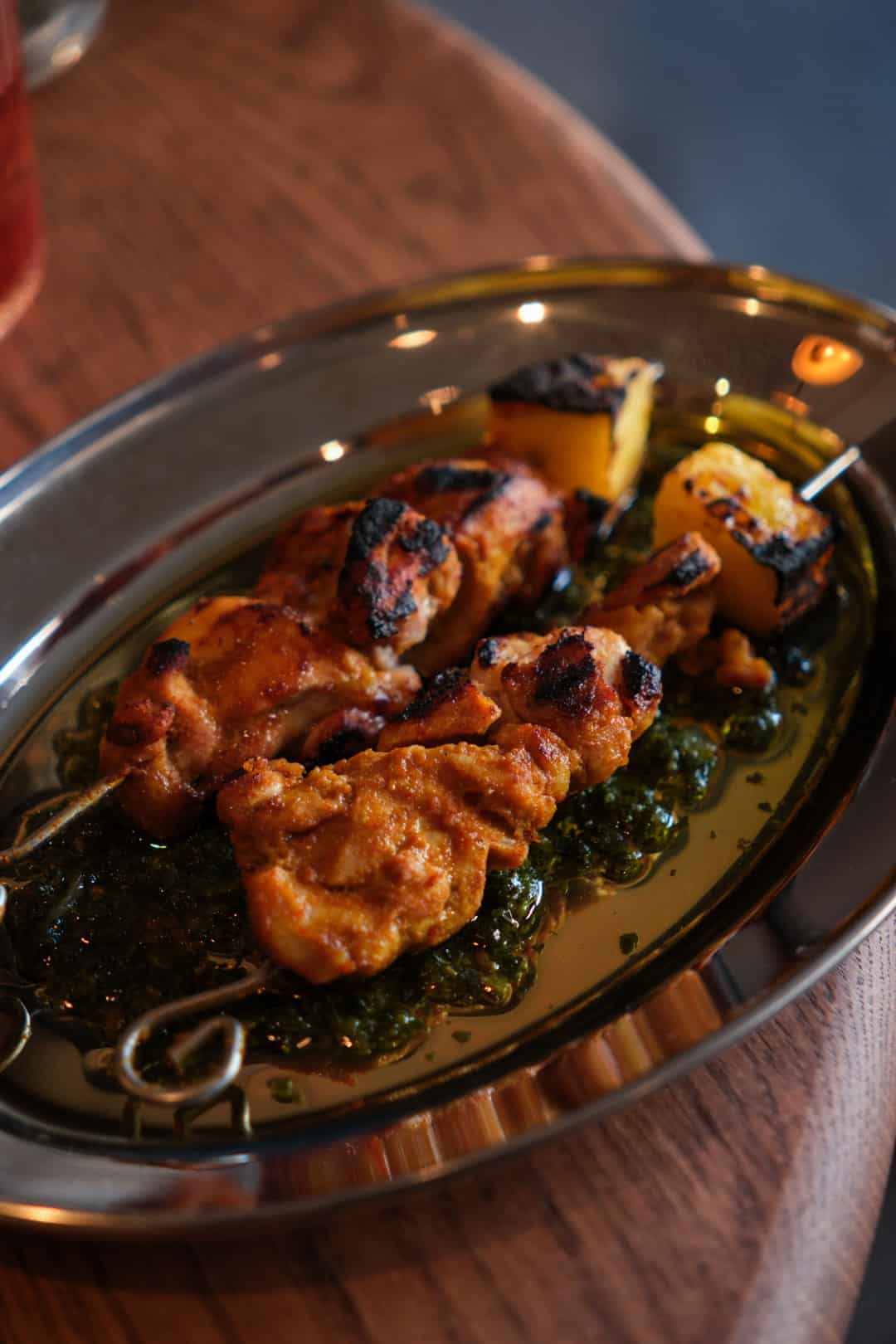
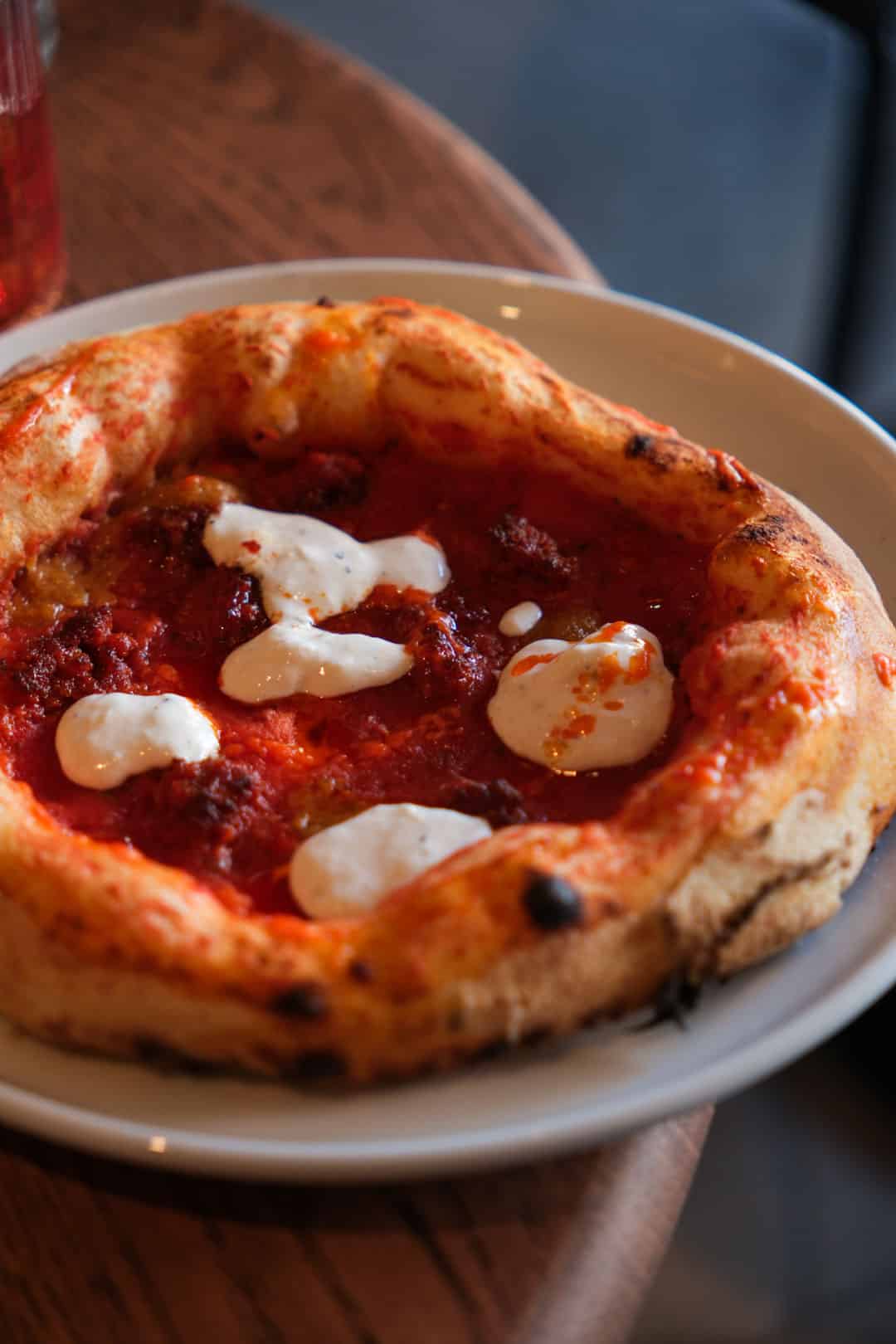

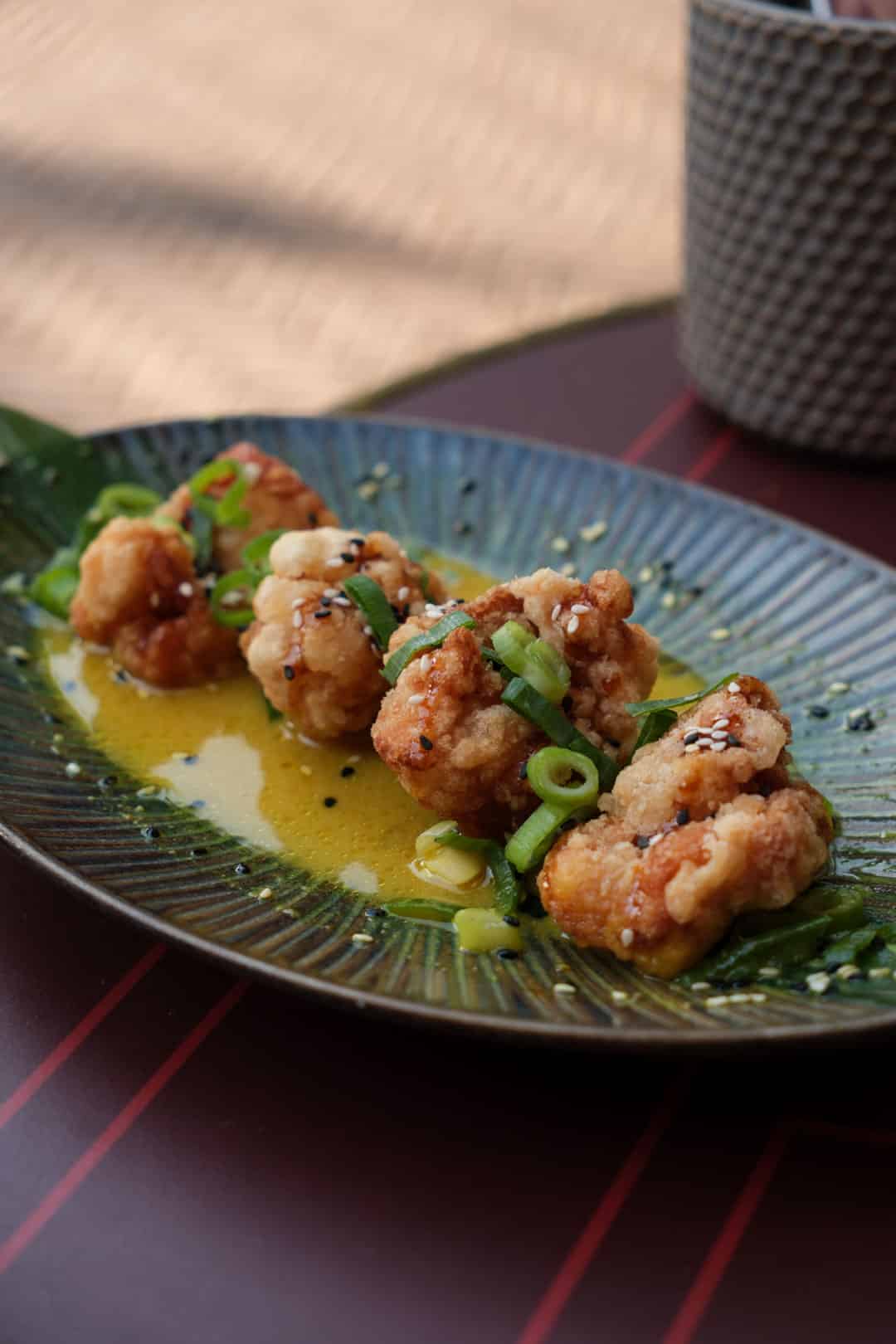
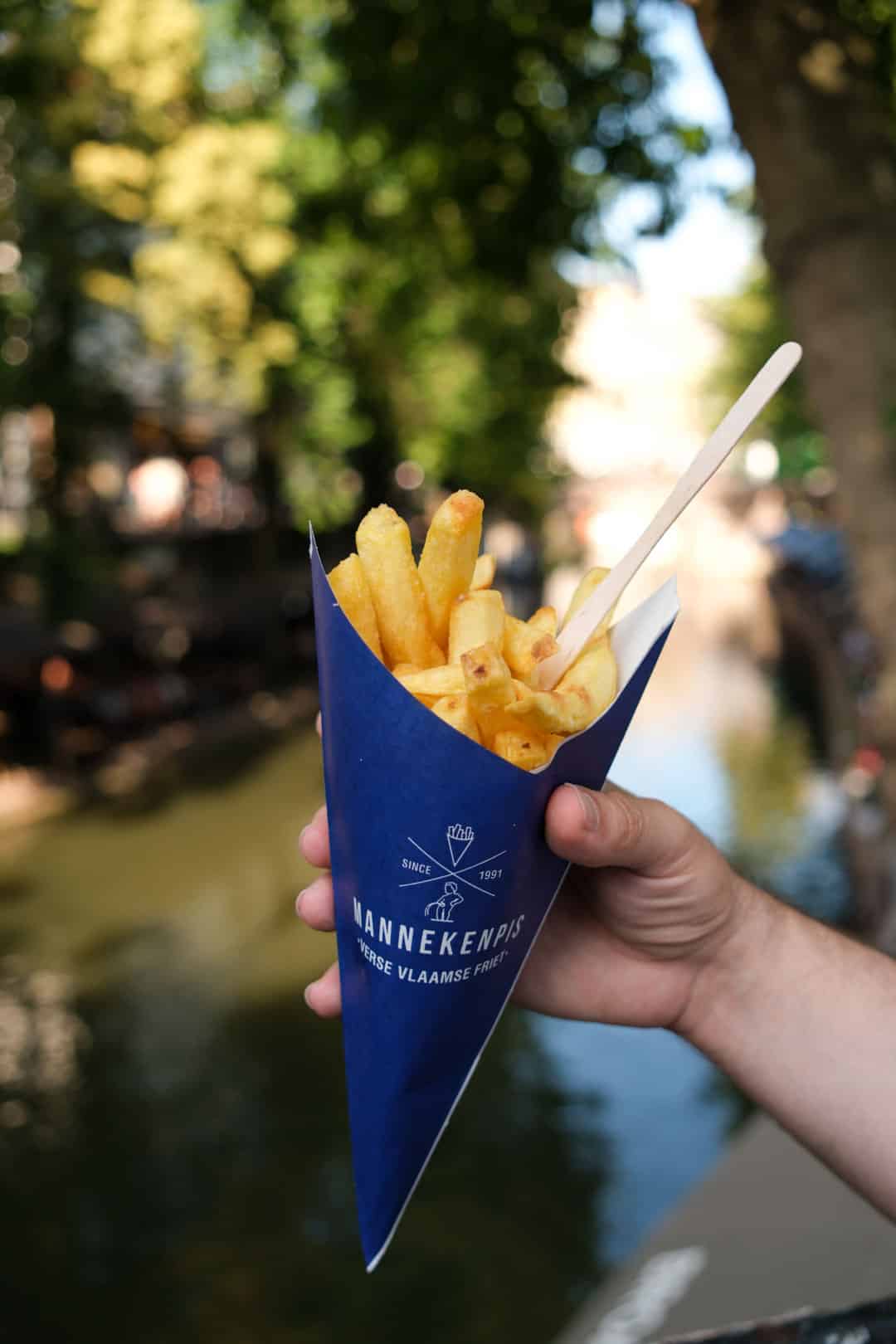
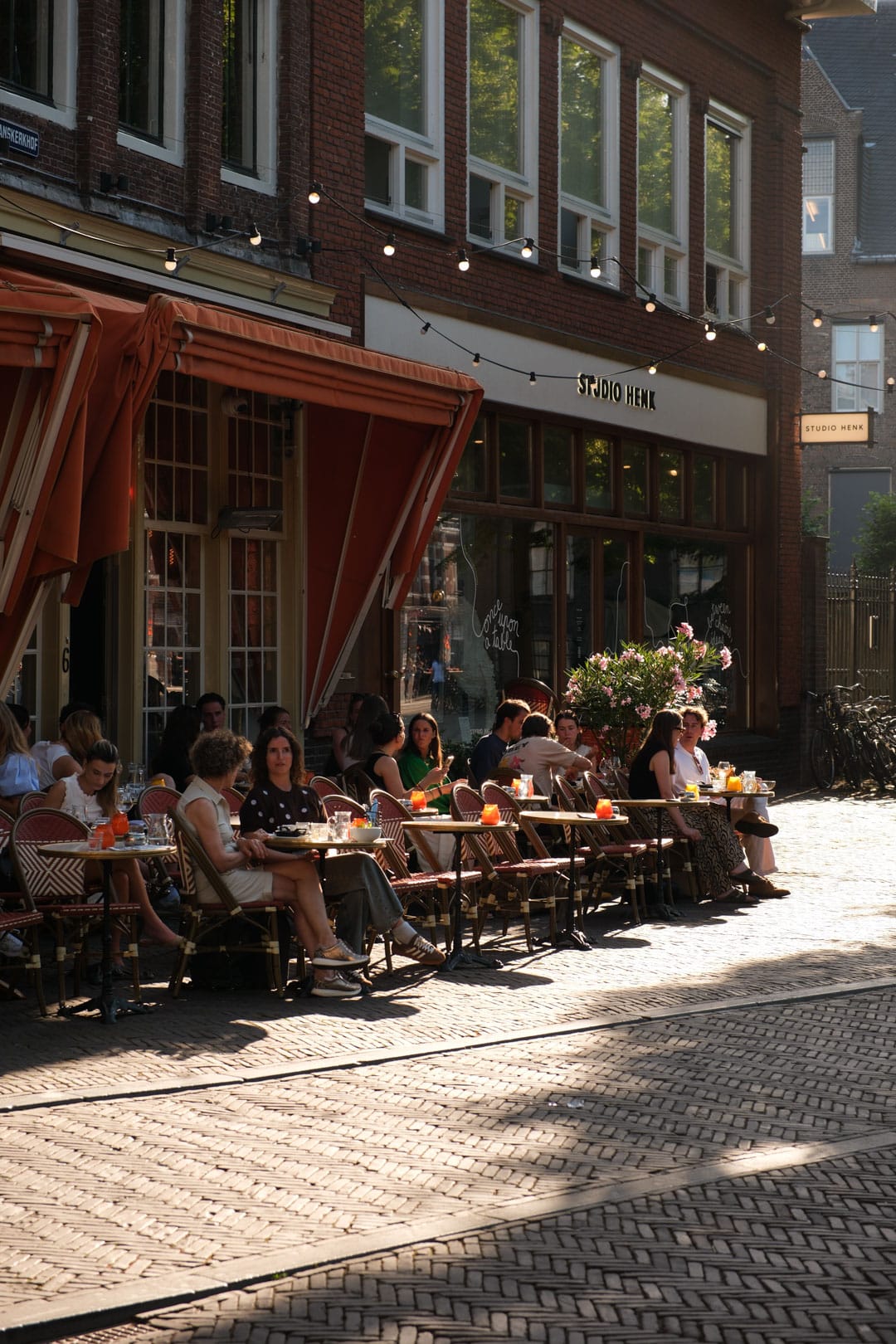
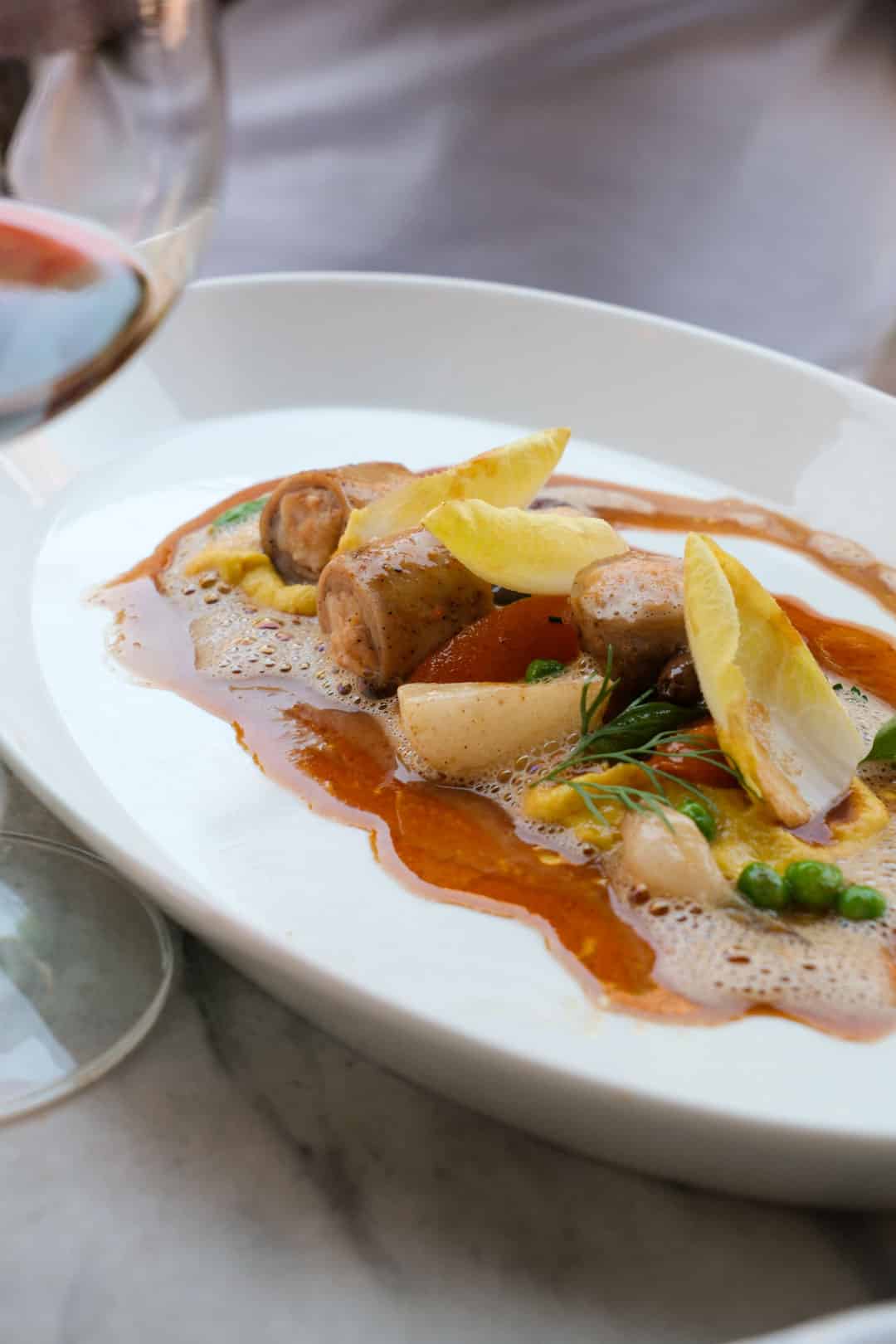
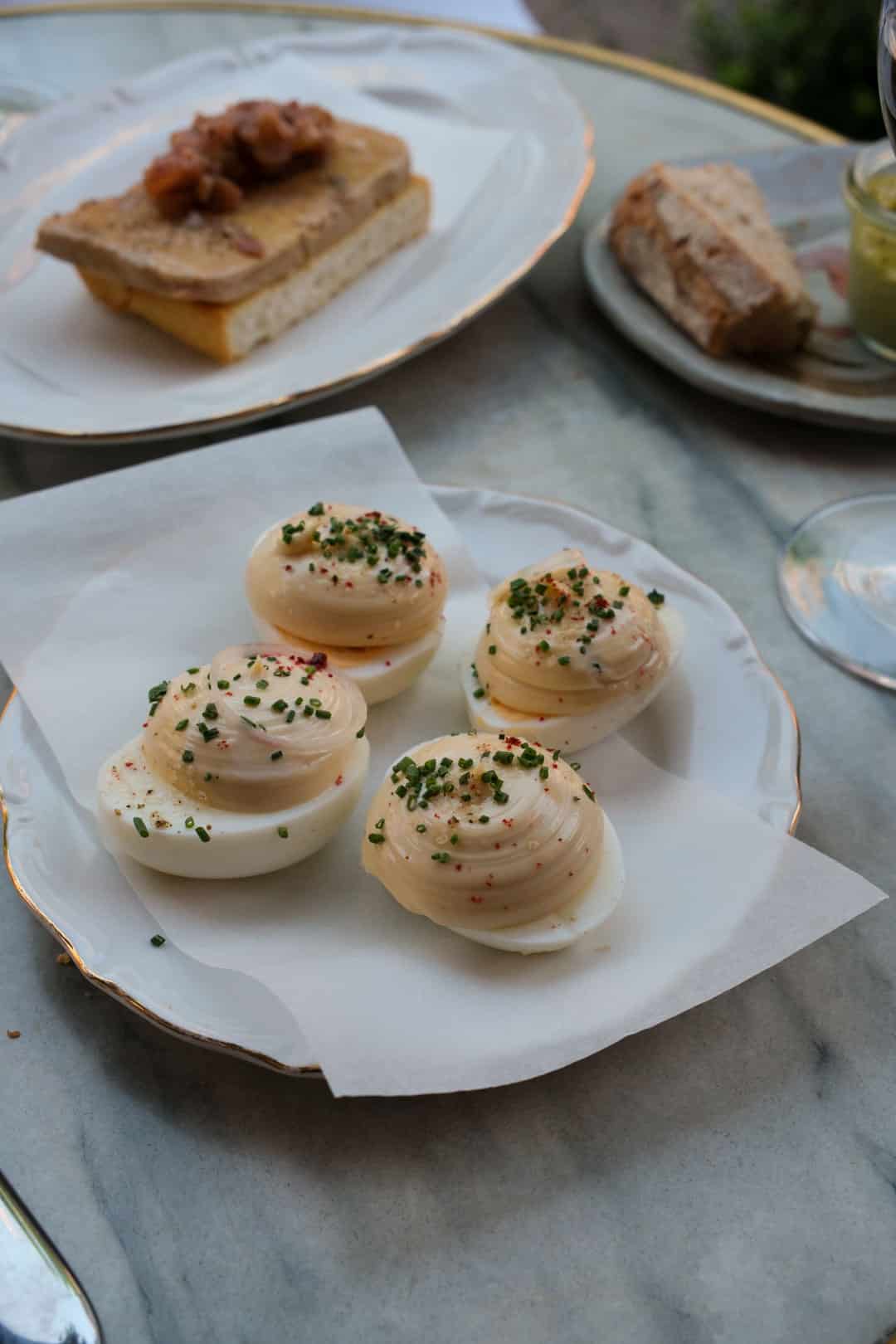
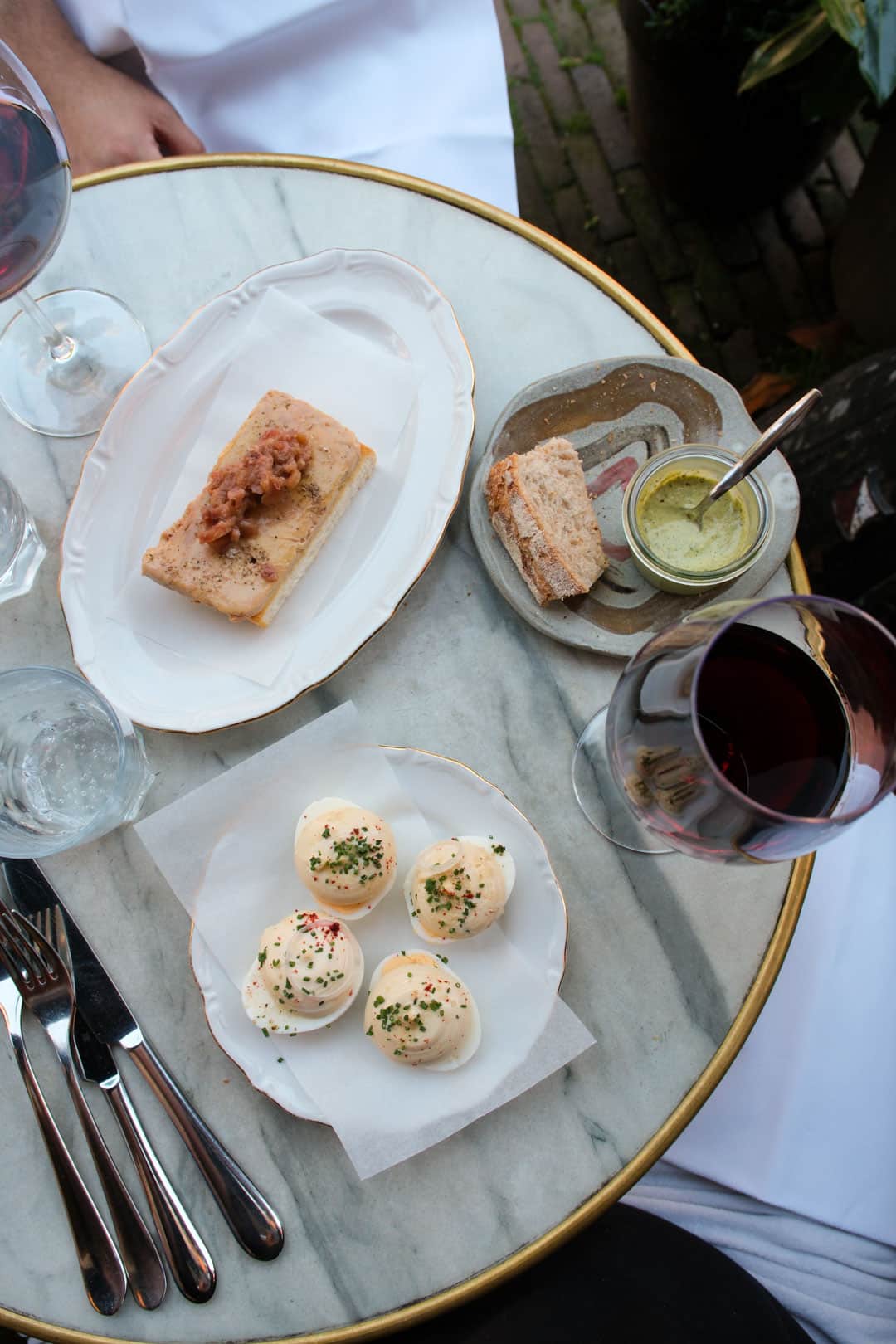
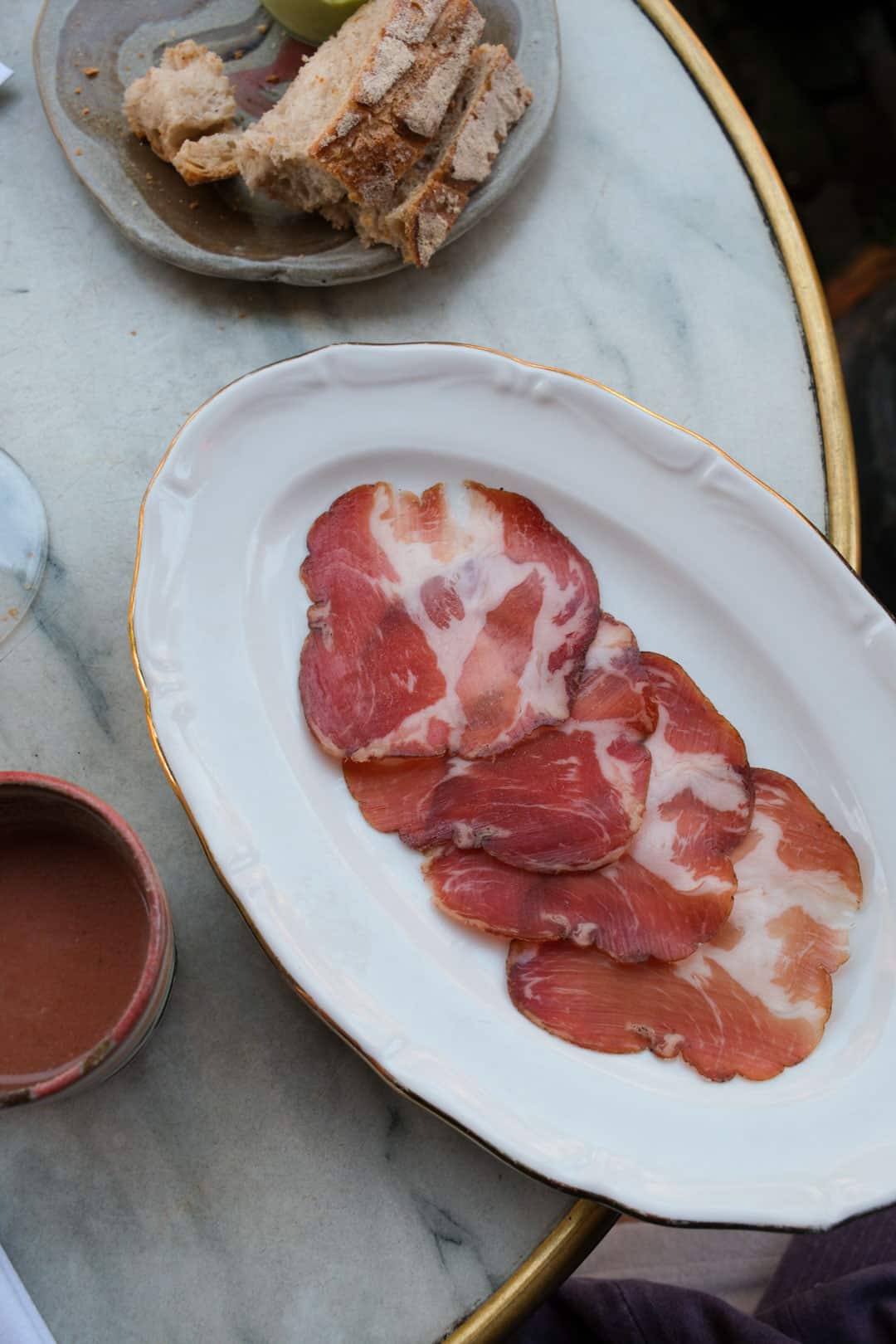

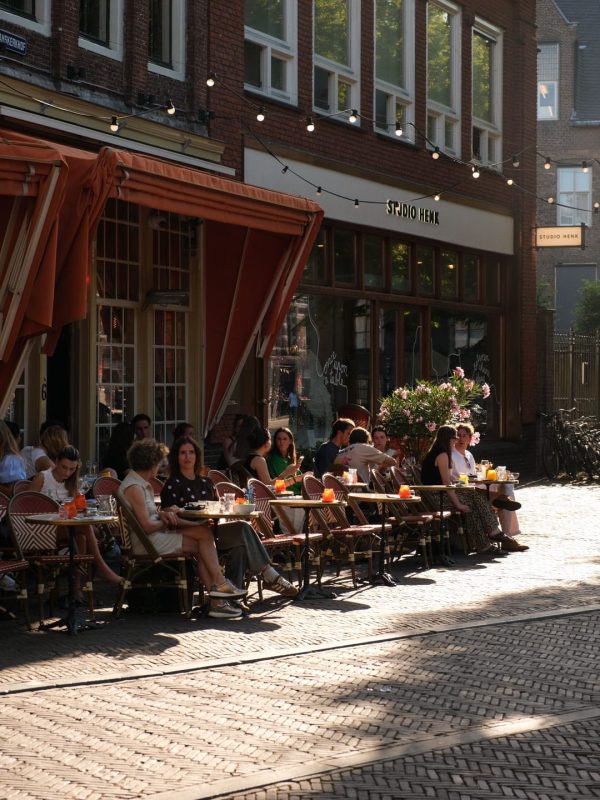
Utrecht’s dining scene, stylish gastronomic experiences to cosy neighbourhood bakeries and fast street flavours it offers a rather rich selection of. The city’s most prominent culinary hotspots and what you need to know before you go in the same order:
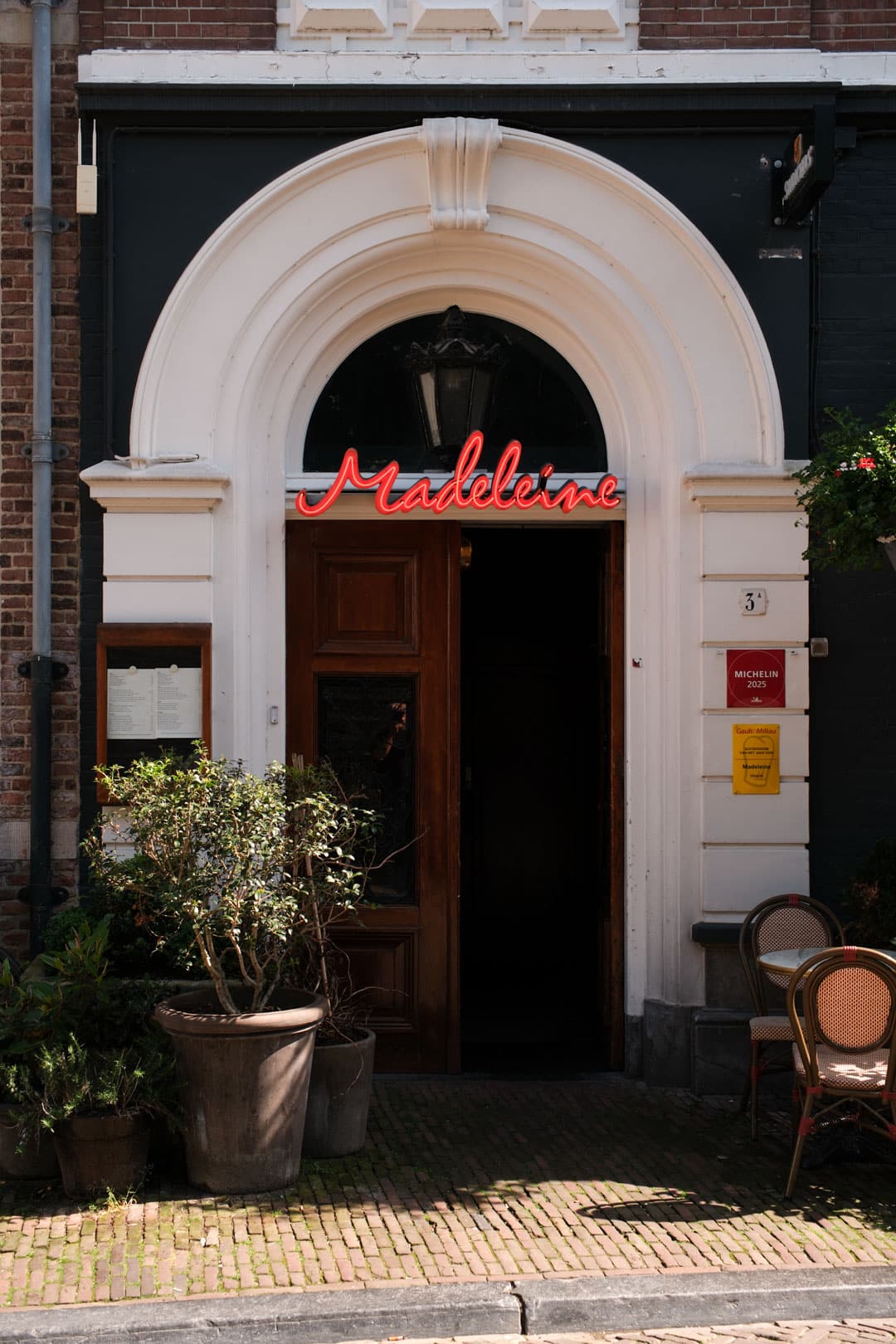
Bistro Madeleine: One of Utrecht’s most popular French bistros. They serve classic French cuisine with a modern and refined twist. Start with appetisers such as œuf mayonnaise, terrine, steak tartare or a charcuterie platter, then try seasonal dishes such as asparagus, seafood or slow-cooked meats. With its superb wine selection, this place offers the full atmosphere of a French brasserie. Bookings are essential for dinner; we came here for a lovely lunch after our tour of the Dom Tower.
Restaurant Maeve: A fine-dining restaurant that raises the city’s gastronomic standards and holds one star in the Michelin Guide. Their tasting menus, prepared with seasonal, fresh and local ingredients, are a visual feast. It could be a good choice for a special dinner. Although all the dishes we ate were well-cooked and well-presented, it’s a bit difficult to say they were particularly memorable. The service could be a little more organised for a restaurant of this calibre. Tasting menus range from €110 to €155.
Sea Salt Saloon: This might just be one of the most enjoyable spots in Utrecht for seafood lovers; we discovered it when we visited Madeleine – seeing the Dutch people right next door tucking into their seafood, we simply couldn’t resist, so we came back here for another lunch… With fresh oysters, the catch of the day and small tapas, it has a lively and modern seafood bistro vibe. It’s a must-visit for a refreshing seafood feast right in the city centre. À la carte menu.
Bar Bet: Located on the same street – in the same row as Sea Salt Saloon and Madeleine – this is an extremely cosy and welcoming neighbourhood bar and restaurant where you can while away the time over delicious snacks and fine wines. Here, if you like, you can leave it to the chef and ask him to select 4–5 dishes for you. The menu features small bites such as oysters, sardine and tomato tartine, oeuf mayonnaise and chicken liver profiteroles.
Restaurant Concours: A delightful restaurant in Utrecht for lovers of modern gastronomy, where seasonal flavours and the chef’s personal touch take centre stage. The menu features specialities such as wolffish, the Netherlands’ famous Zeeland mussels, lobster and lamb; these are perfectly balanced with vegetarian options including artichoke hearts, courgette flower stuffed with lamb’s ear mushrooms in a special sauce, and dishes enriched with Tom Kha flavours. In addition to 4- to 6-course tasting menus (€77–€101), there is also the option of a quick ‘Quick Lunch’ lasting no more than an hour, or a leisurely lunch on the terrace accompanied by light appetisers or the famous Bouillabaisse soup.
Restobar Rosie: A popular restobar that blends classic and modern styles; it stands out for its quality wines, delicious small plates and lively atmosphere. The wine selection is truly delightful – be sure to ask the staff for help; they’ll be quick to offer a recommendation to suit your mood. Start with a delightful cheese and charcuterie platter, then continue with recommendations from the daily menu.
Morrow: Şık dekorasyonu ve geniş menüsüyle öne çıkan tüm gün gidilebilecek mekanlardan, henüz yeni açılmasına rağmen baya ilgi çekiyor gibi. Tam akşam yemeği öncesi keyifli bir içki ve aperatif için uğranacak mekan. Ege mezeleri, küçük pizzaları ve biraz kokteyl.
Restaurant Jus en Pepper: A delightful spot that blends traditional techniques with Asian-inspired flavours such as ginger, yuzu and kosho, and stands out for its balance of flavours and zero-waste approach. In addition to the chef’s surprise tasting menus, which range from 2 to 6 courses, there are à la carte options available on weekdays; ideal for a quality evening meal or lunch break, accompanied by rendang croquettes, a selection of oysters and snacks.
Café Restaurant Terroir: Offering a modern menu centred on French classics, which changes weekly and features seasonal vegetables, fresh seafood and meat sourced from the city’s local producers, Terroir stands out for its simple yet flavour-focused dishes—free from unnecessary embellishments—and its extensive wine selection. (You can choose à la carte options or try the seasonal 4–6-course table d’hôtes tasting menus.)
Pizza Beppe: A popular spot in the city for lovers of Neapolitan pizza; the dough could be a bit tastier, but they have branches at several different locations around the city. Keep it in mind for an alternative dining option.
O’Panuozzo Napoli: Naples style panuozzo and pizzas brought to Utrecht by a another Italian restaurant. Once again there are a few branches.
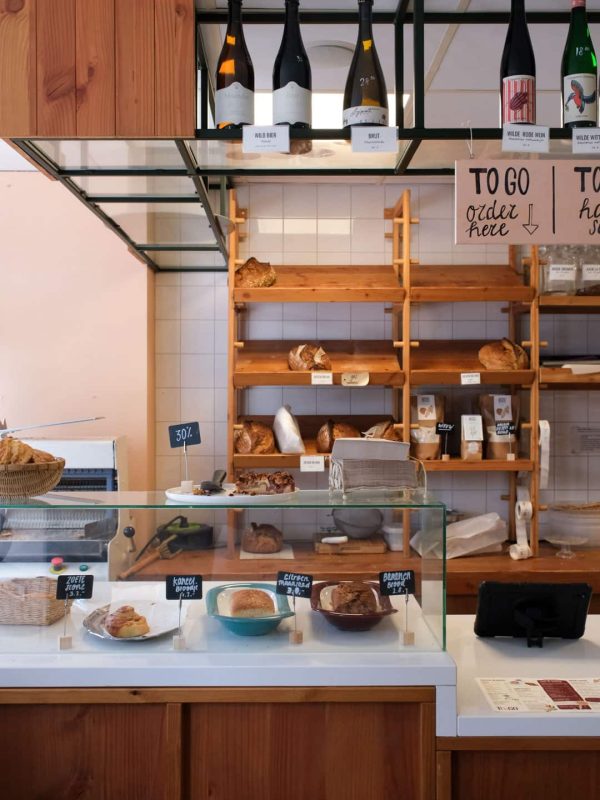
Bakkerij Kameel: A brilliant bakery to start the day with fresh bread, artisan pastries and traditional baked goods. Utrecht fell a bit short compared to the bakeries we’d seen in Amsterdam, but Bakkerij Kameel was the most satisfying of the lot.
The Village Coffee: One of Utrecht’s iconic coffee shops, keeping the city’s speciality coffee culture alive with its Rococo/punk rock vibe and superb selection of espressos.
KLUTS coffee & vegan bakery: A lovely little spot that stands out for its entirely vegan pastries, delicious cakes and tasty coffees.
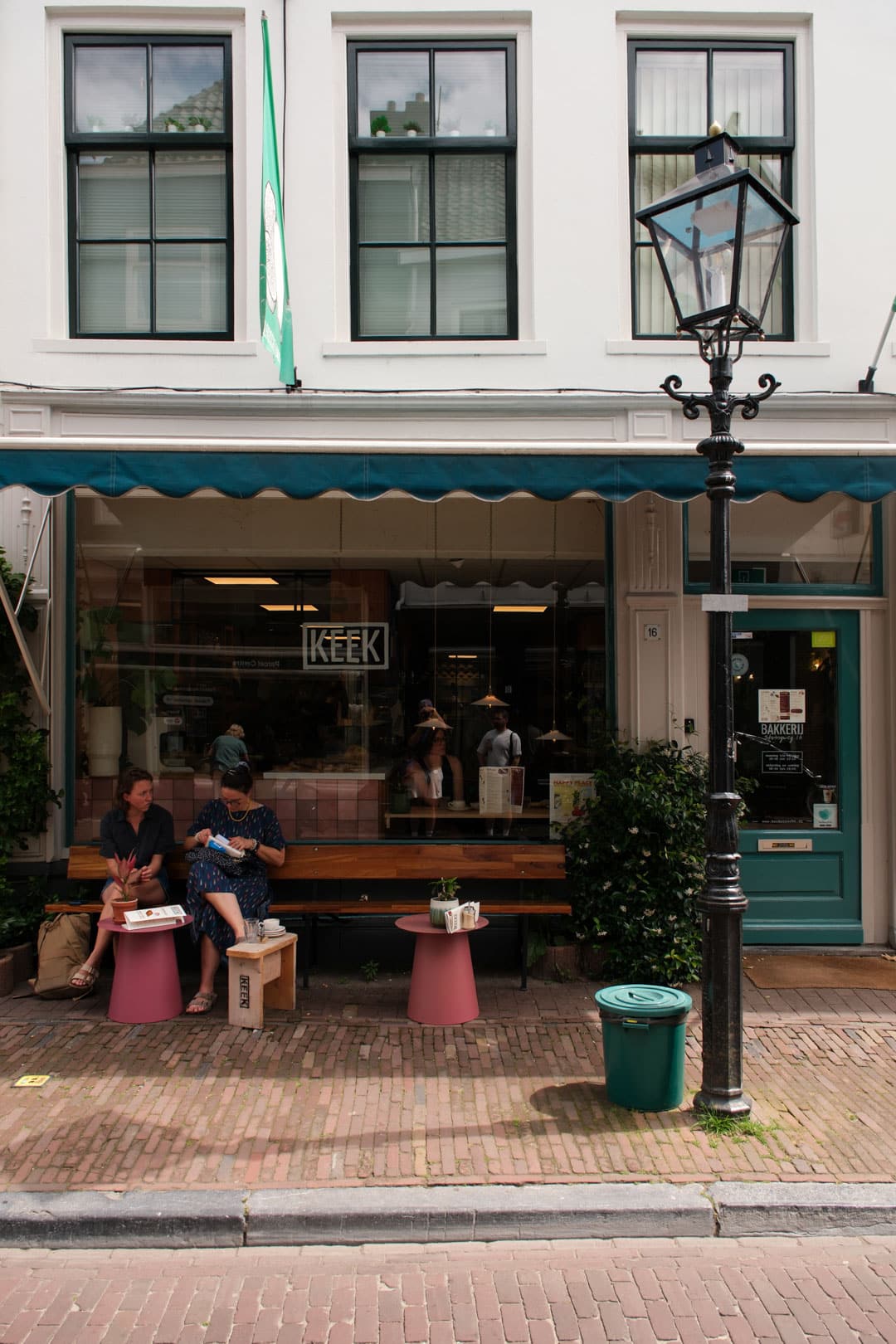
KEEK Bakery: A cosy, eco-friendly bakery brimming with fresh pastries, quiches and desserts made with organic ingredients.
Keen Coffee Bar: Coffee beans tracing the journey of, coffee enthusiasts for offering speciality brewing methods for coffee enthusiasts.
Utrecht at the Café: A unique alternative for Greek-style iced coffees (Frappe, Freddo Espresso) and sweet treats. I wasn’t expecting to find such a good bougatsa so far from the Aegean – it was a surprise even to me.
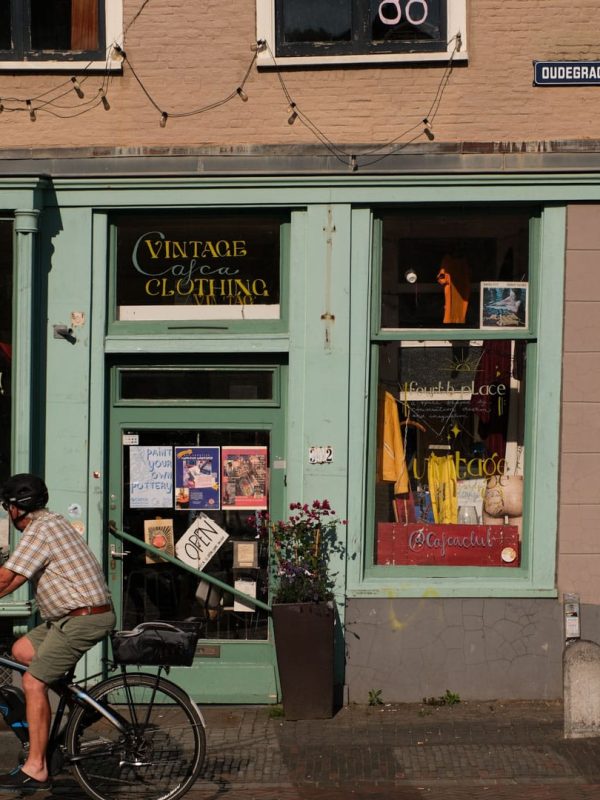
Cafca: A cosy spot with a relaxed atmosphere and high-quality coffees, ideal for sitting down to work or read a book.
Jacques: A delightful café with a French flair, serving fresh croissants, delicious coffee and boasting a stylish design.
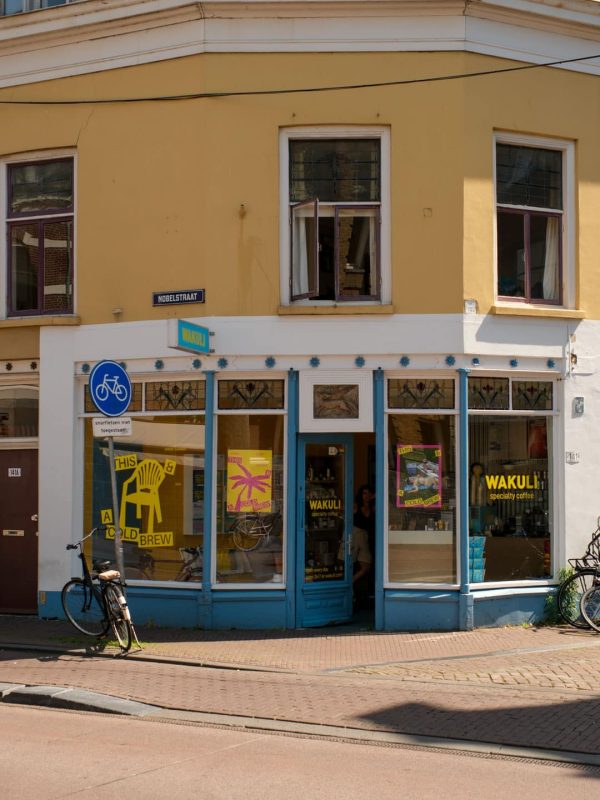
Wakuli Coffee: A refreshing coffee spot specialising in sustainable coffee production and offering high-quality beans.
Black Brew: The go-to spot in Utrecht for those looking for good music, a cosy neighbourhood atmosphere and quality coffee.
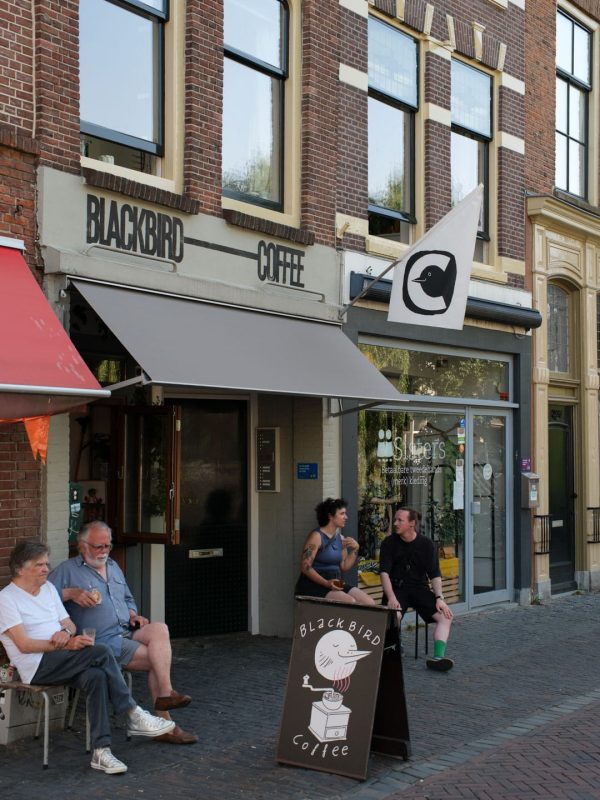
Blackbird Coffee: A unique coffee shop that appeals to both the eye and the palate with its second-hand vintage items and bicycle-themed décor.
Cupp: As well as its speciality coffees, it’s a great place to start the day with its delicious breakfast and brunch options. We just popped in for a coffee break.
Broodje Mario: A pop-up eatery in Utrecht that has become something of a legend, famous for its huge and delicious sandwiches.
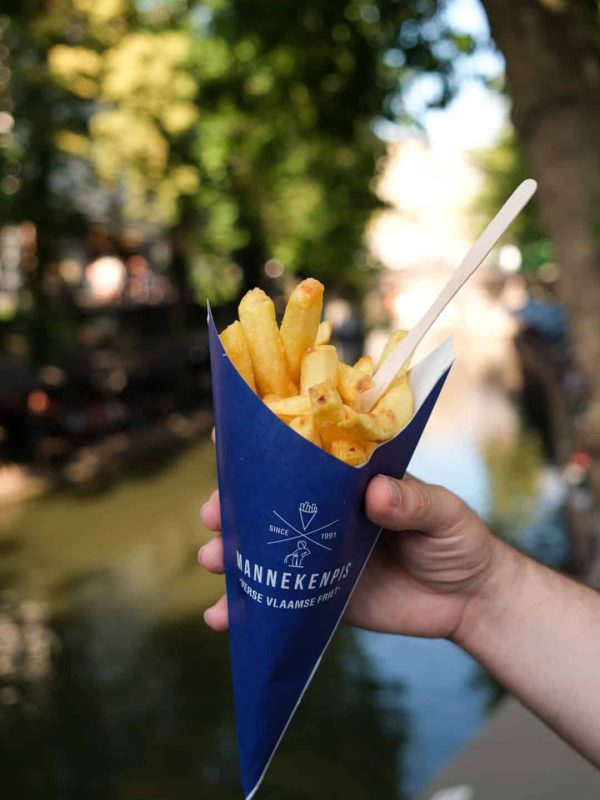
Manneken Pis Utrecht: An iconic chip shop where long queues form outside for those keen to try Dutch and Belgian-style hot chips (Frites) with plenty of sauce. Not bad at all 🙂
Broodje Ben: A student-friendly and hugely popular sandwich stall, lined up along the Oudegracht, offering dozens of varieties with generous fillings.
Juuls Hummus: A plate of fresh hummus, warm dishes and Middle Eastern inspired by healthy flavours offering a colourful place to dine.
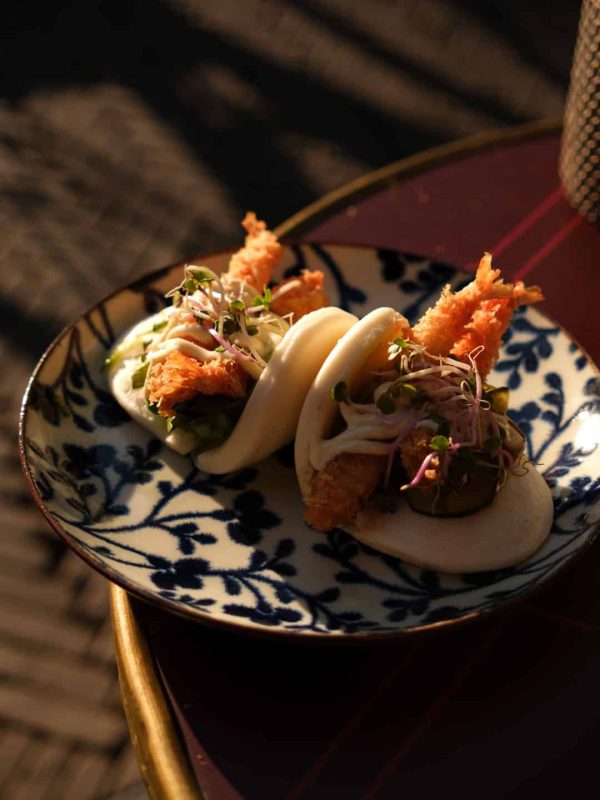
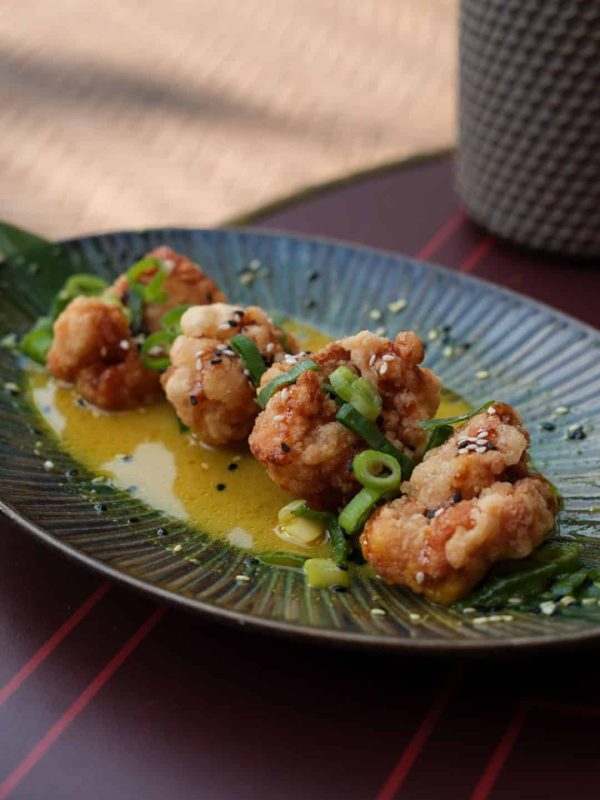
The Streetfood Club: One of the city’s most popular and lively spots, featuring a menu of street food from around the world. We tried various crispy chicken dishes and dumplings; whilst not particularly impressive in terms of flavour, its location in a pleasant little square makes it a good choice for a bite to eat with a drink at sunset.
























Domtoren (Cathedral Tower) & Domkerk (Cathedral): The city’s heart, its historic landmark and the tallest bell tower.
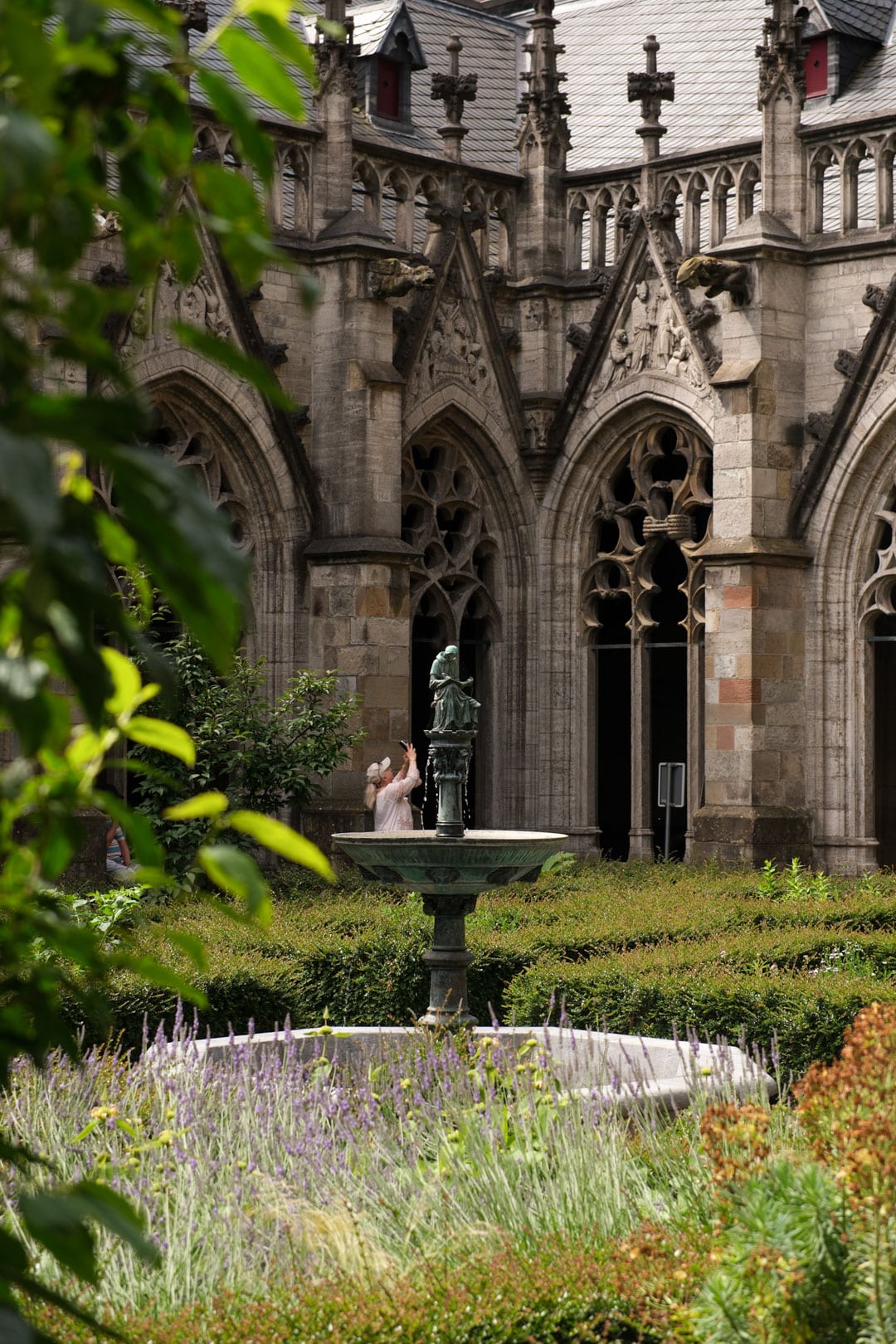
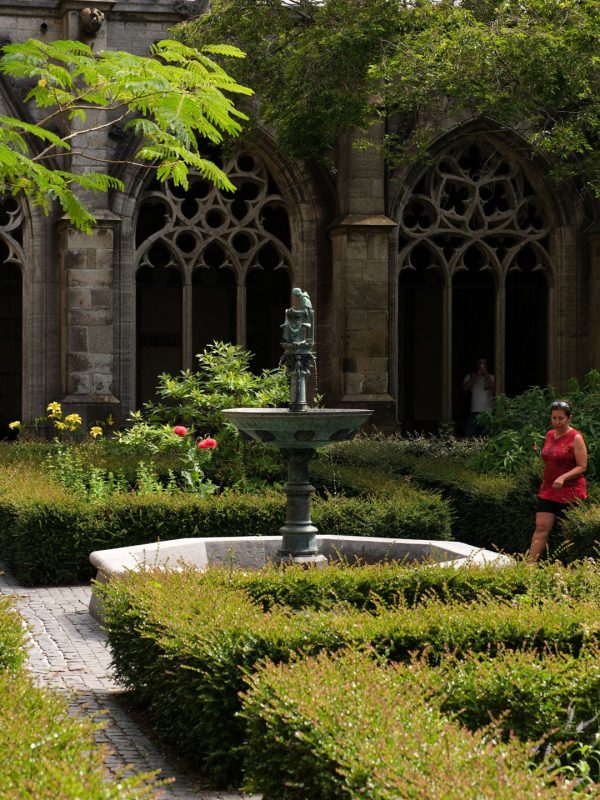
Pandhof van de Dom: A peaceful monastery courtyard, tucked away right next to the cathedral, with its enchanting Gothic architecture.
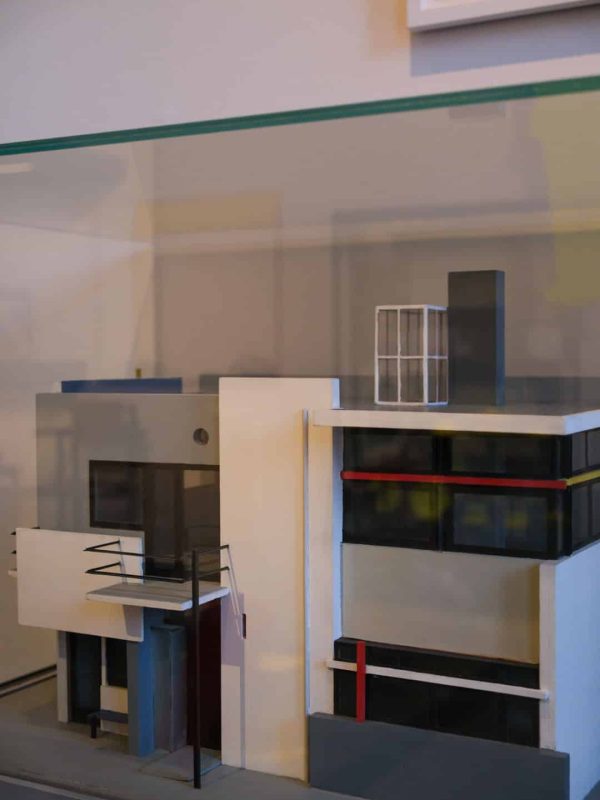
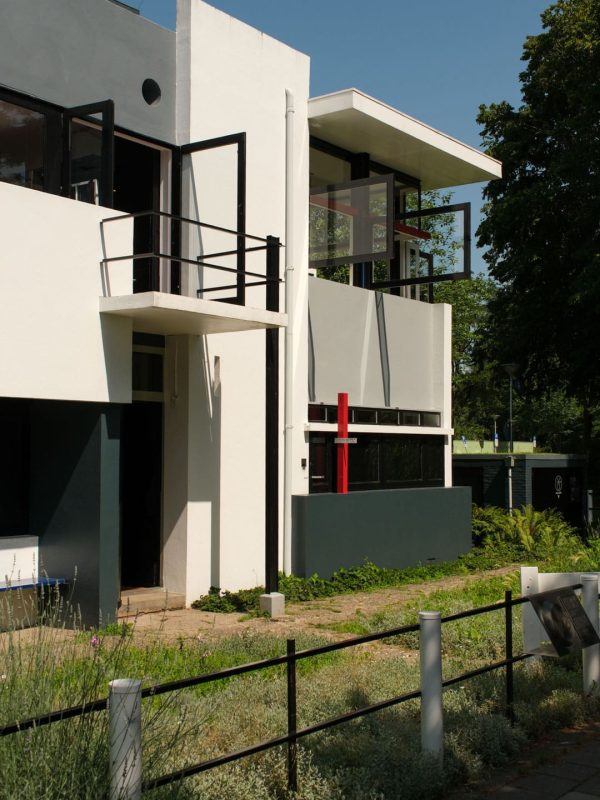
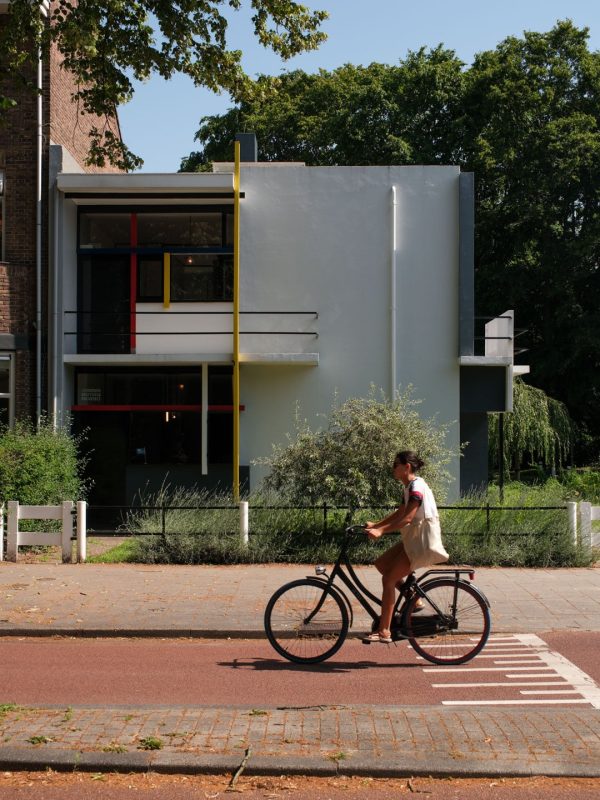
Rietveld Schröder House: Listed on the UNESCO World Heritage List, it is one of the most radical and significant milestones in the history of modern architecture.
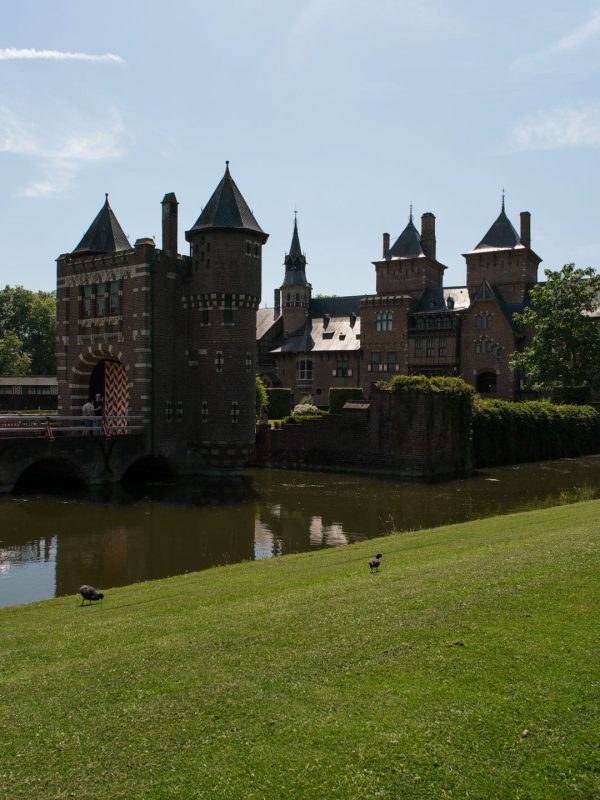
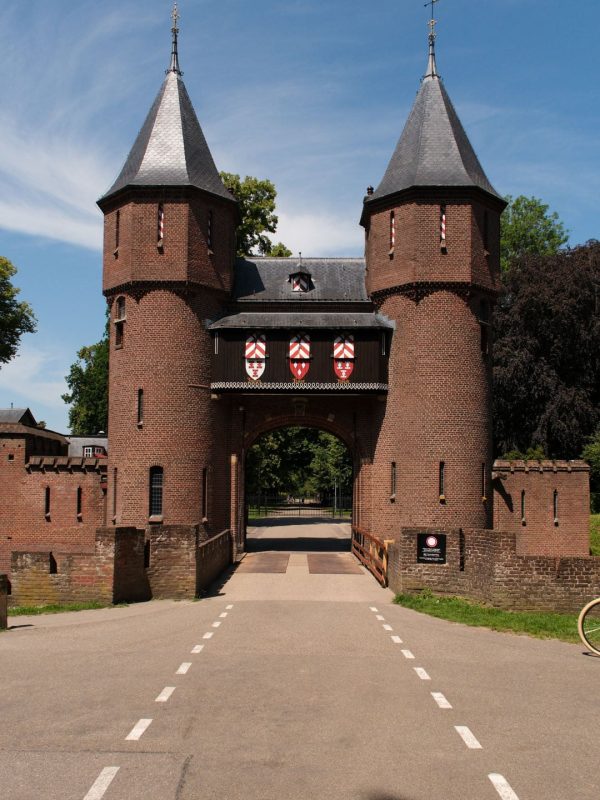
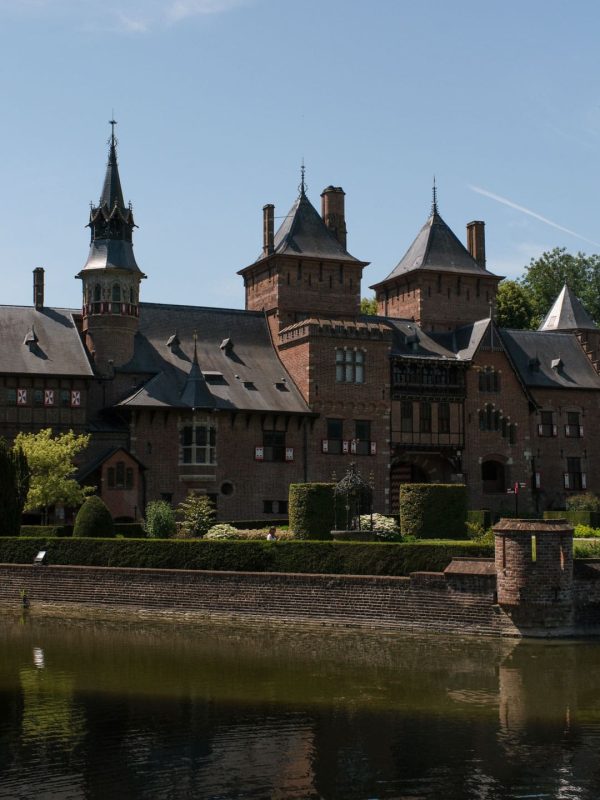
De Haar Castle: The Netherlands’ largest and most fairy-tale-like castle; situated very close to the city, its magnificent atmosphere makes it a must-see.
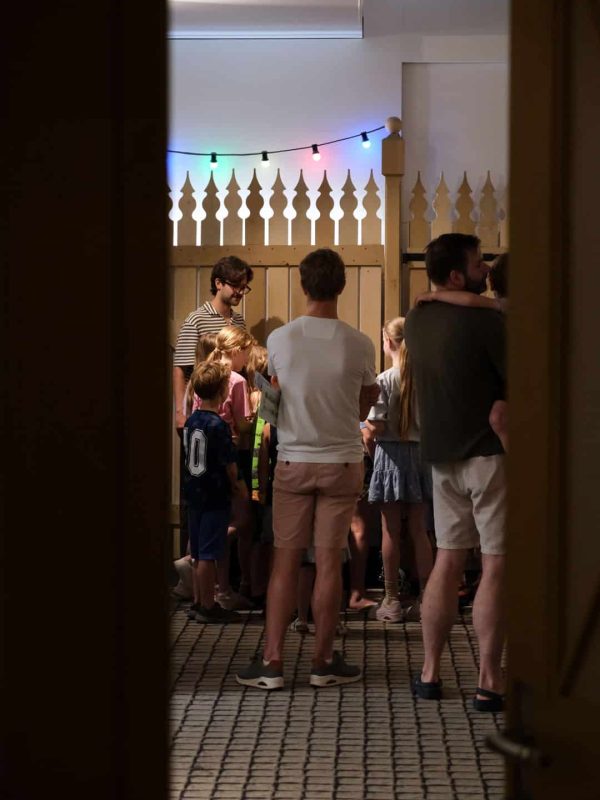
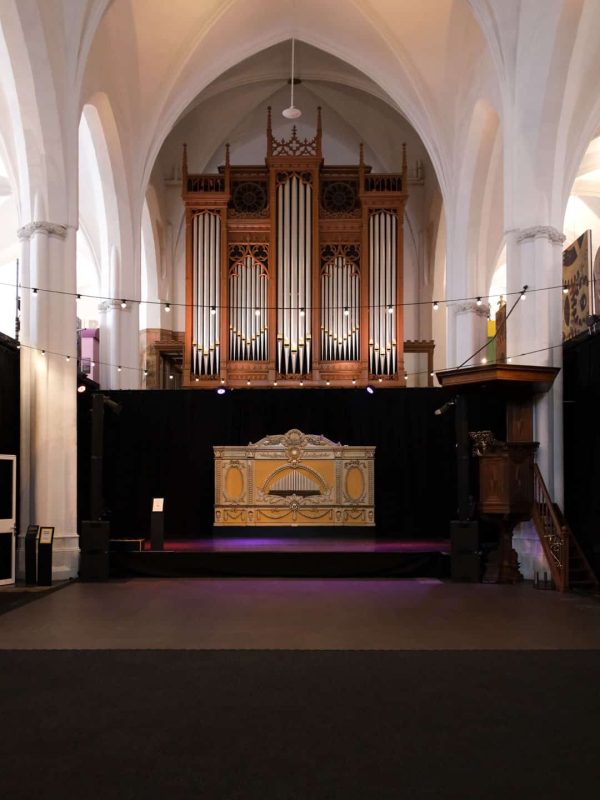
Museum Speelklok: A highly interactive and entertaining museum for both adults and children, featuring musical clocks, automatic instruments and organs.
Centraal Museum: Utrecht’s main museum, with a wide-ranging collection spanning from the city’s rich art history to modern design.
The Railway Museum (Spoorwegmuseum): Housed in a former railway station, it is one of Europe’s most impressive railway museums thanks to its interactive exhibits.
Museum Catharijneconvent: A museum set within a fascinating former monastery complex, focusing on the history of Christianity and religious art in the Netherlands.
Sonnenborgh Museum & Observatory: A 19th-century observatory and astronomy museum built on the site of a historic fort.
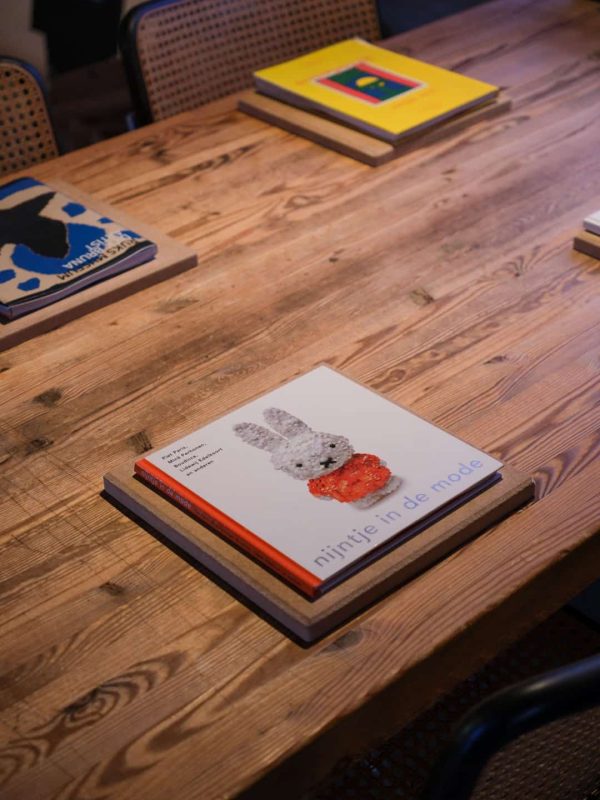
Nijntje Museum (Miffy Museum): A lovely place to visit in the city where the world-famous Miffy character was born, particularly for families with children or illustration enthusiasts.
Wilhelminapark: Located in the east of the city, this is Utrecht’s most iconic and delightful historic city park, with its monumental trees, pond and elegant pavilion.
Utrecht Botanic Gardens (University of Utrecht Botanic Gardens): A vast botanic garden situated around Fort Hoofddijk, boasting an incredibly rich variety of plants.
Oude Hortus: A cosy and peaceful hidden botanical garden in the city centre, the only remaining part of the former medical school’s gardens.
Julianapark: where the city’s locals spend their time and, where animals roam freely a place a11> where enjoyable neighbourhood park.
Máximapark: Just a little outside the city, landscape award-winning spacious walking and cycling park.
Haarrijnseplas: A lakeside recreation area in Utrecht; a local getaway, particularly for those wishing to swim and spend time by the lake on hot days.
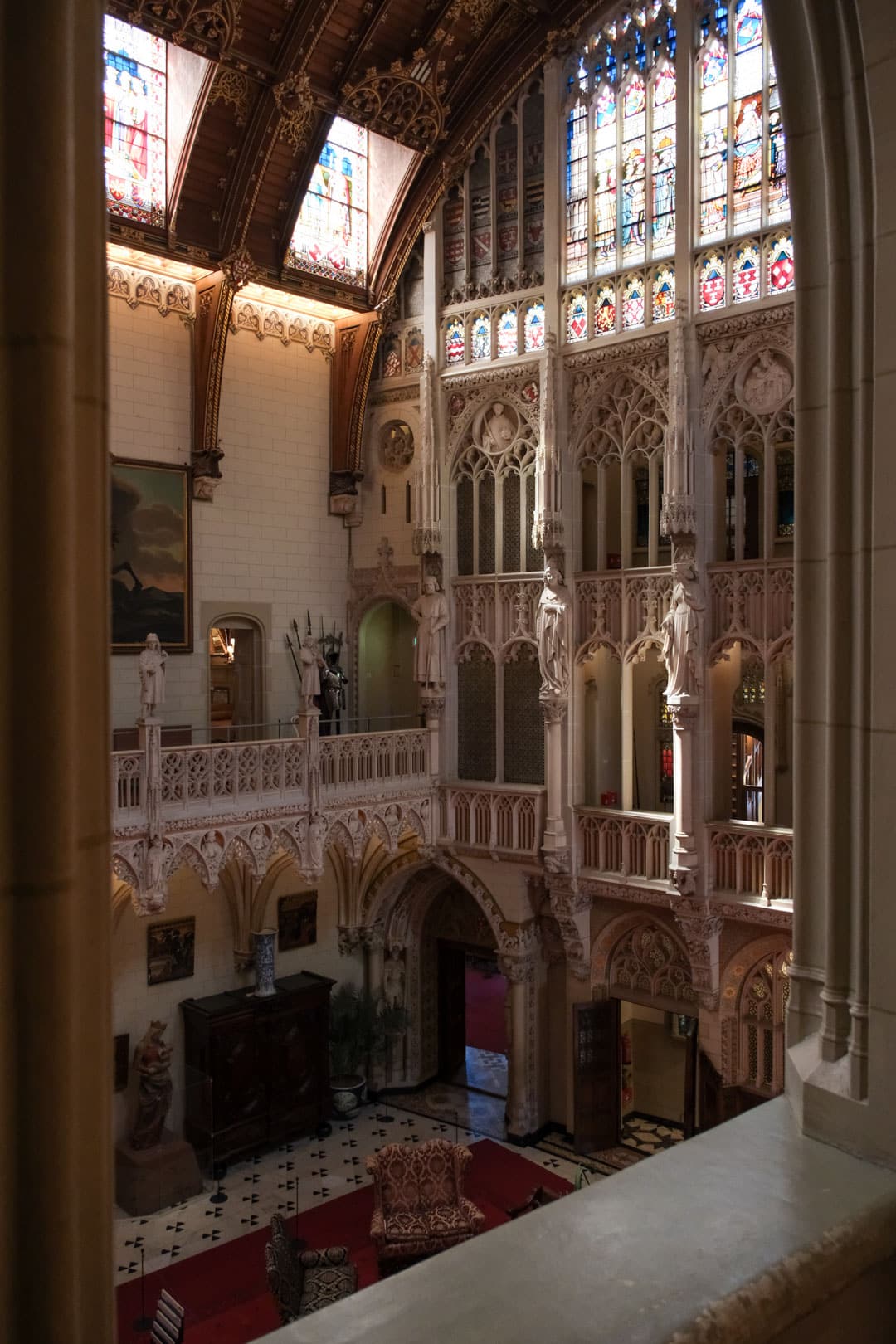
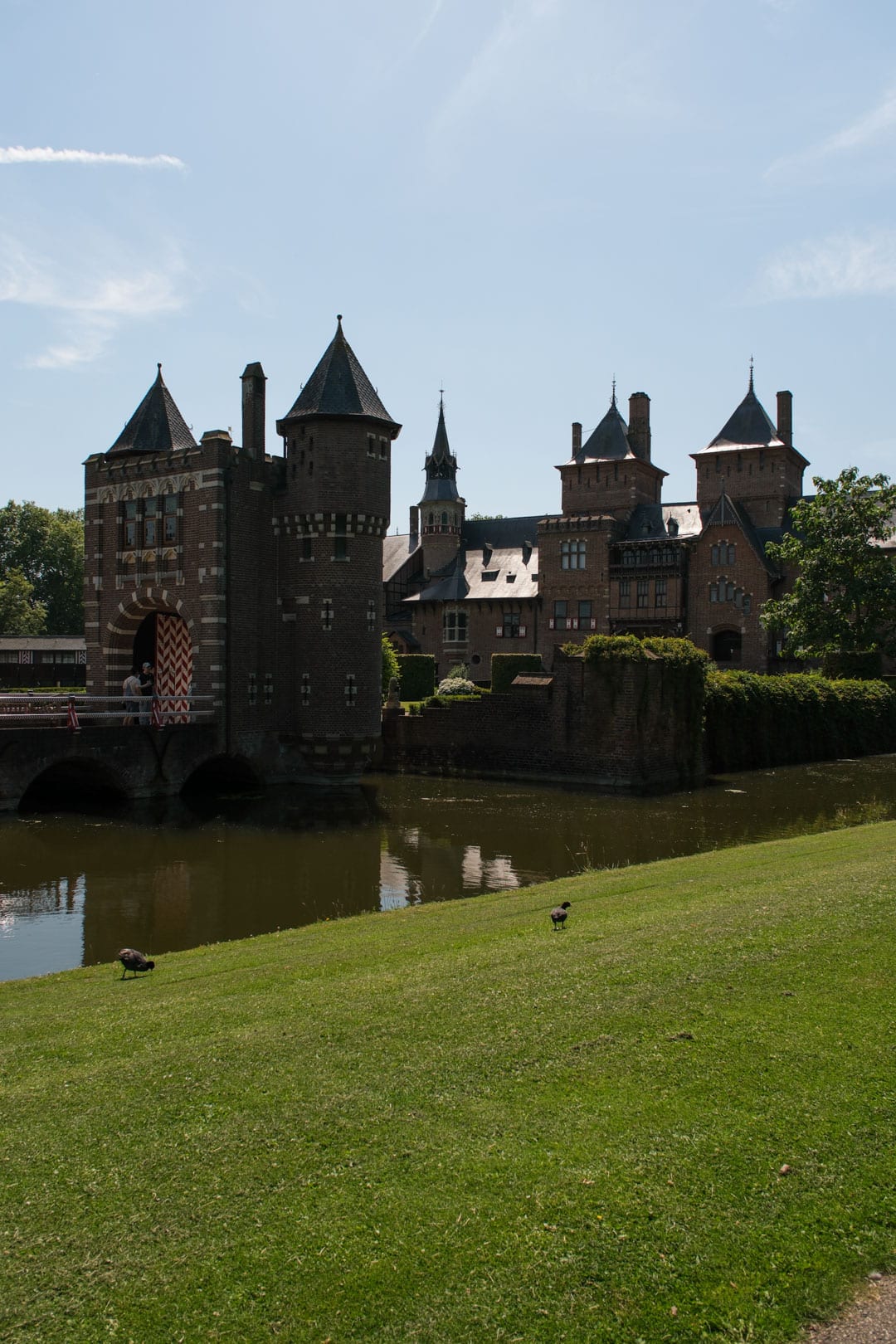
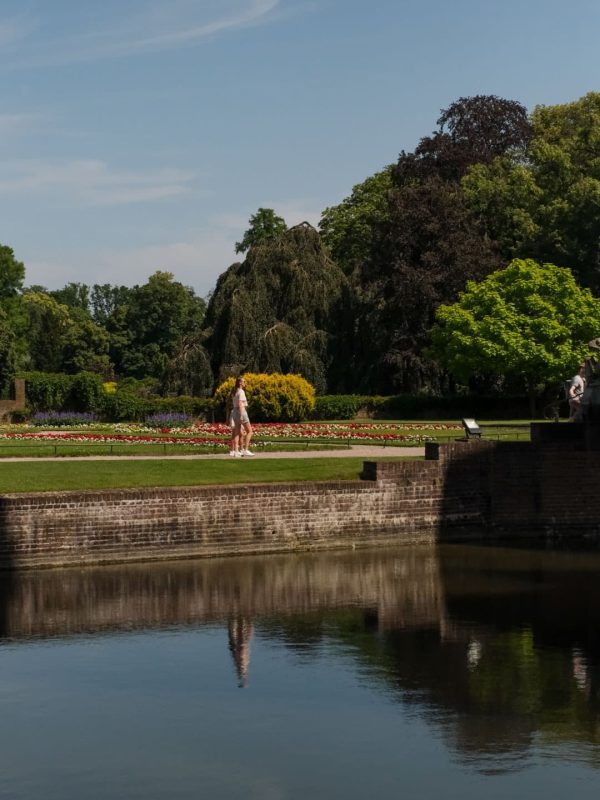
Just half an hour’s drive from Utrecht city centre, Kasteel de Haar, which rises amidst the greenery of the village of Haarzuilens, holds the title of the Netherlands’ largest and undoubtedly most magnificent castle. With its tall towers, moats, suspension bridges and symmetrical French gardens, this building looks, when viewed from the outside, as though it has leapt straight from the pages of a fairy-tale book; it is undoubtedly one of the most enchanting stops on the Utrecht itinerary.
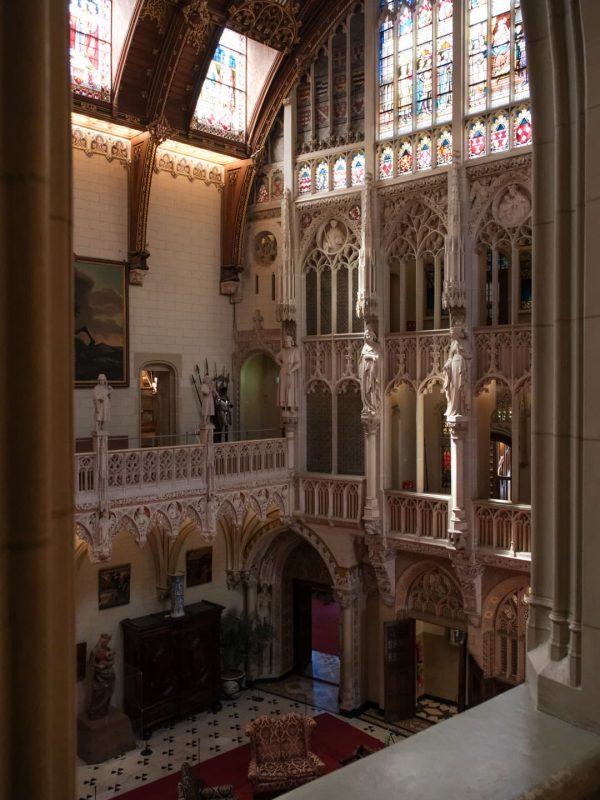
The castle’s history spans the 13th century back it may date it may the magnificent silhouette we see today dates back to the end of the 19th century Van Zuylen family, century at the end of the Van Zuylen family andthe Rothschild family’s financial support took shape . The world-renowned Pierre Cuypers, who also designed the Rijksmuseum and Centraal Station in Amsterdam, took the castle from a state of ruin and virtually rebuilt it as one of the pinnacles of Neo-Gothic architecture. As you step inside the castle, you are greeted by intricate wood carvings, exquisite porcelain, enormous Gobelin tapestries and salons that once hosted magnificent gatherings for the international high society, from Brigitte Bardot to Coco Chanel.
It is not just the interior of the castle; the hundreds of dönüm of open space, with its ponds, rose gardens, deer park and maze-like paths, also offers an incredibly pleasant atmosphere for walking and enjoying a picnic-style outing.
Tips for Travellers & Practical Information:
How to get there? You can easily reach the entrance to the castle by taking a short train journey from Utrecht Centraal station to Vleuten station, and then catching the number 111 bus from there.
Ticket Type: If you’re short on time you can just and garden ticket is available, however if you want to experience the castle’s truly enchanting atmosphere a16> in the fullest sense experience it, you should also opt for a ticket that includes access to the museum inside the castle as well a23> which includes the entrance to the museum inside the castle we recommend.
Timings: As the castle attracts particularly high visitor numbers at weekends, buying your ticket online in advance makes it easier to plan your visit by the hour.
Rising in one of Utrecht’s residential neighbourhoods, the Rietveld Schröder House is no ordinary house; it is one of the most radical and daring buildings in the history of modern architecture. Designed in 1924 by the architect Gerrit Rietveld for Truus Schröder, a widowed mother of three, this house is renowned for completely overturning the ‘traditional wall and room’ concepts in architecture. Listed as a UNESCO World Heritage Site since 2000, the building is regarded as the only complete realisation of the De Stijl movement in architecture.
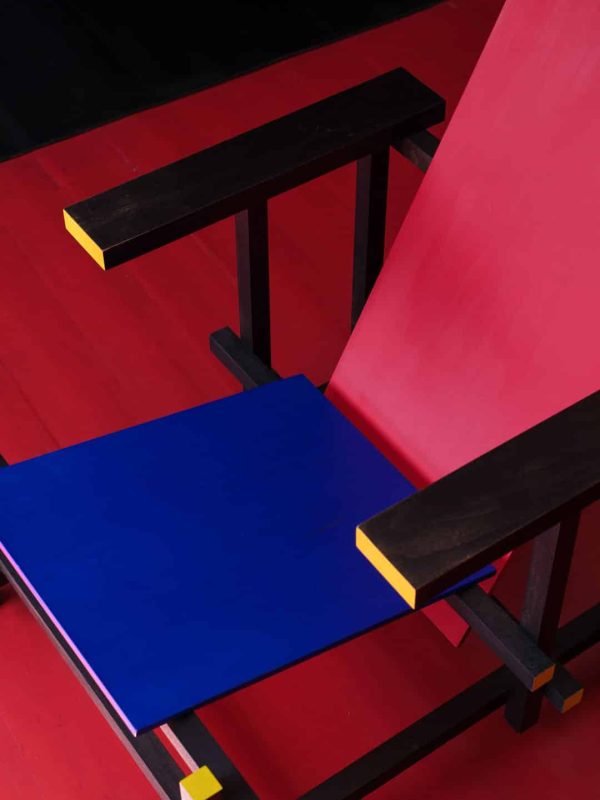
When you look at the building’s façade, you get the sense that Mondrian’s paintings have been transformed into a three-dimensional structure. On the façade, where primary colours such as red, blue and yellow are combined with black, white and grey surfaces, the horizontal and vertical lines create a sense of continuous movement.
The interior space was for its time in the full sense of the word a revolution:
Flexible and Adaptable Spaces: Sliding panels have been used on the upper floor instead of fixed walls. During the day, it is a vast, light-filled open space where children play or study; at night, when the panels are drawn, it transforms into separate bedrooms.
The Relationship Between Interior and Exterior: Designed to bring the outdoors and natural light into the interior, the corner windows open fully outwards without a vertical support post at the corner, thereby eliminating the sense of a wall.
Holistic Design: Every detail, from the chairs and table lamps to the storage spaces and colour schemes, was designed specifically for this house by Rietveld himself.
The Rietveld Schröder House is a fascinating experience, not just for architecture enthusiasts, but for anyone who wants to see how living spaces can be liberated.
Tips for Travellers & Practical Information:
Reservation Required: Because the house is quite small and kept under protection, only a very limited number of visitors are allowed inside at the same time. Therefore, you may need to purchase your tickets online weeks in advance.
Audio Guide: The audio guide provided with the ticket offers a reasonably good explanation of how the panels and furniture were transformed.
Transport: The house is within walking distance of the Centraal Museum, and you can reach it from the city centre in no time at all by Uber, bike or bus. Combining your visit with a ticket to the Centraal Museum is also a great option. The Centraal Museum also features sections dedicated to the designer.

