Bath, one of England’s most iconic cities, takes its name from the Roman baths built there. A small city with a population of under 100,000, Bath is known not only as a spa town but also for its contribution to British culture and history.
As the belief in the healing properties of hot springs became widespread in the 16th century, the city became a popular health and recreation center in 18th-century England, during what is known as the Georgian period. Its proximity to London (only 156 km away) made Bath an easily accessible destination for the British elite of the time.
Bath is also synonymous with the fact that the famous English writer Jane Austen lived there for a time in the early 19th century. Despite being a small city, it boasts a highly aesthetic appearance thanks to its Georgian-era architecture built with a type of limestone called Bathstone. This feature attracts approximately 6 million visitors every year.
While the restaurant and cafe options are varied enough to please anyone, it has a simpler and more modest food culture compared to London.
Bath attracts both local and international visitors year-round. The most popular period is the English summer, from June to August, when temperatures rarely exceed the mid-20s. During this time, the city hosts numerous festivals, creating a vibrant atmosphere. Although we visited in December, we found the city quite enjoyable. For those seeking an experience away from the tourist crowds, April and September are also ideal months.
Bath’s nearest airport is in Bristol, which is only a 35-minute drive away. However, the most comfortable option is to travel to Bath from London by train. This journey takes only 1.5 hours and offers a delightful view of the English countryside.
Additionally, the drive from London to Bath takes approximately 2.5 hours. Passengers flying from Istanbul can fly directly to Bristol with Pegasus or easyJet. Reaching Bath is quite easy after this non-stop flight, which takes about 4 hours.
This guide was prepared with the contributions of Great Campaign and Visit Bath.
🥐 Bakeries
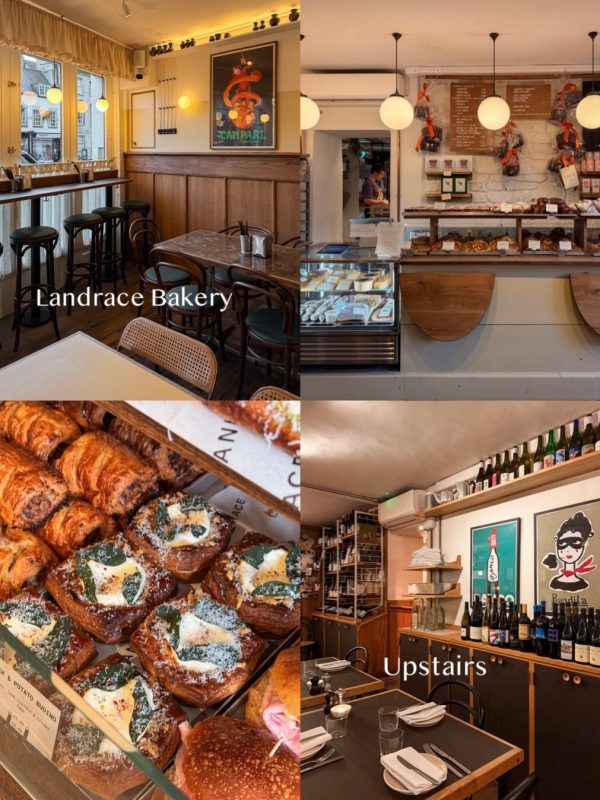
Landrace Bakery – One of the best bakeries in England, it’s best to go early in the morning.
Mokoko Bakery – Delicious croissants and desserts.
Taylor’s Bagels – It is famous for its fresh bagel varieties.
🍽️ Restaurants
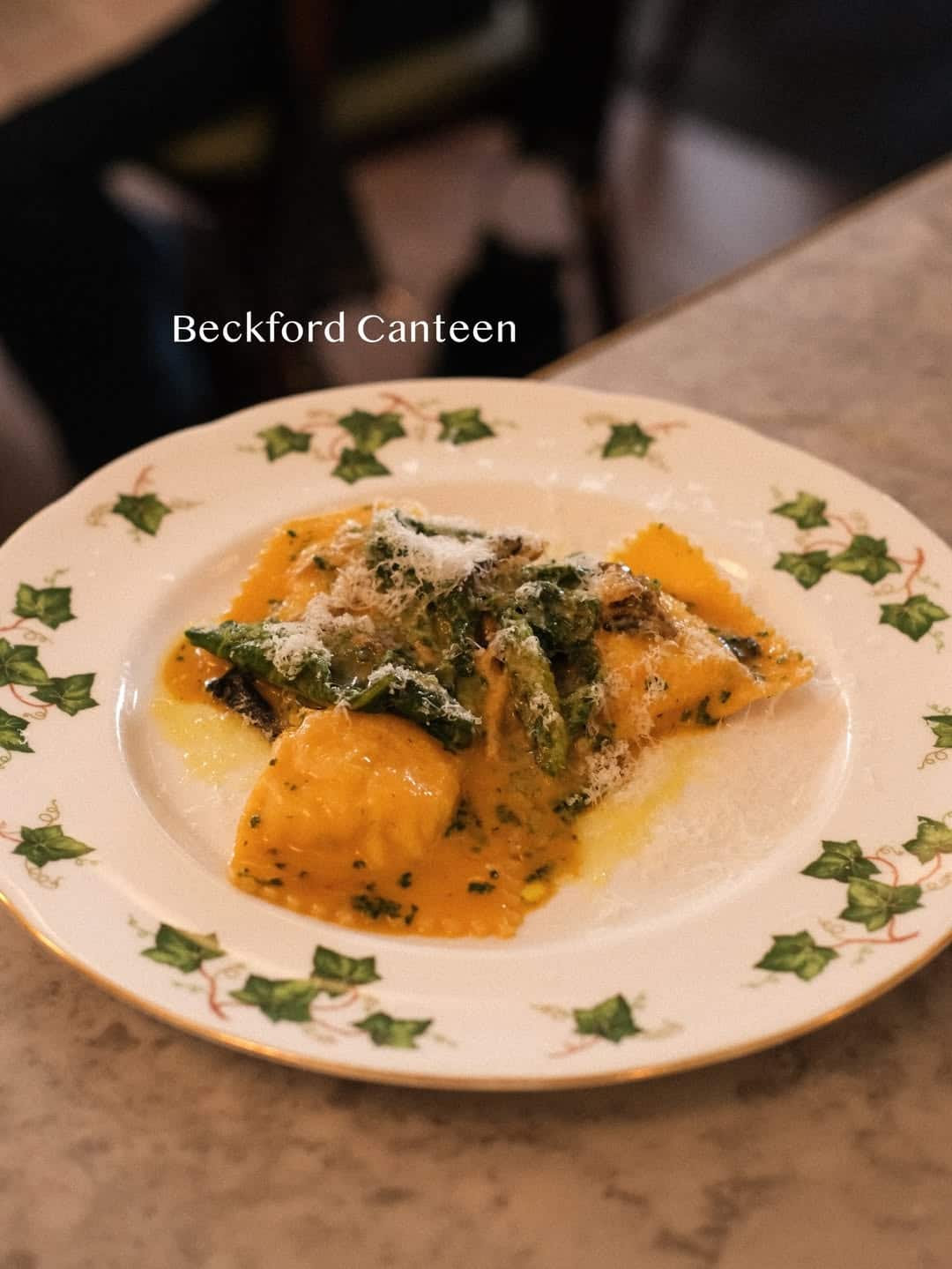
Beckford Canteen –Modern British cuisine recommended for lunch.
Upstairs at Landrace – This Michelin-rated restaurant offers fresh pasta and sharing platters.
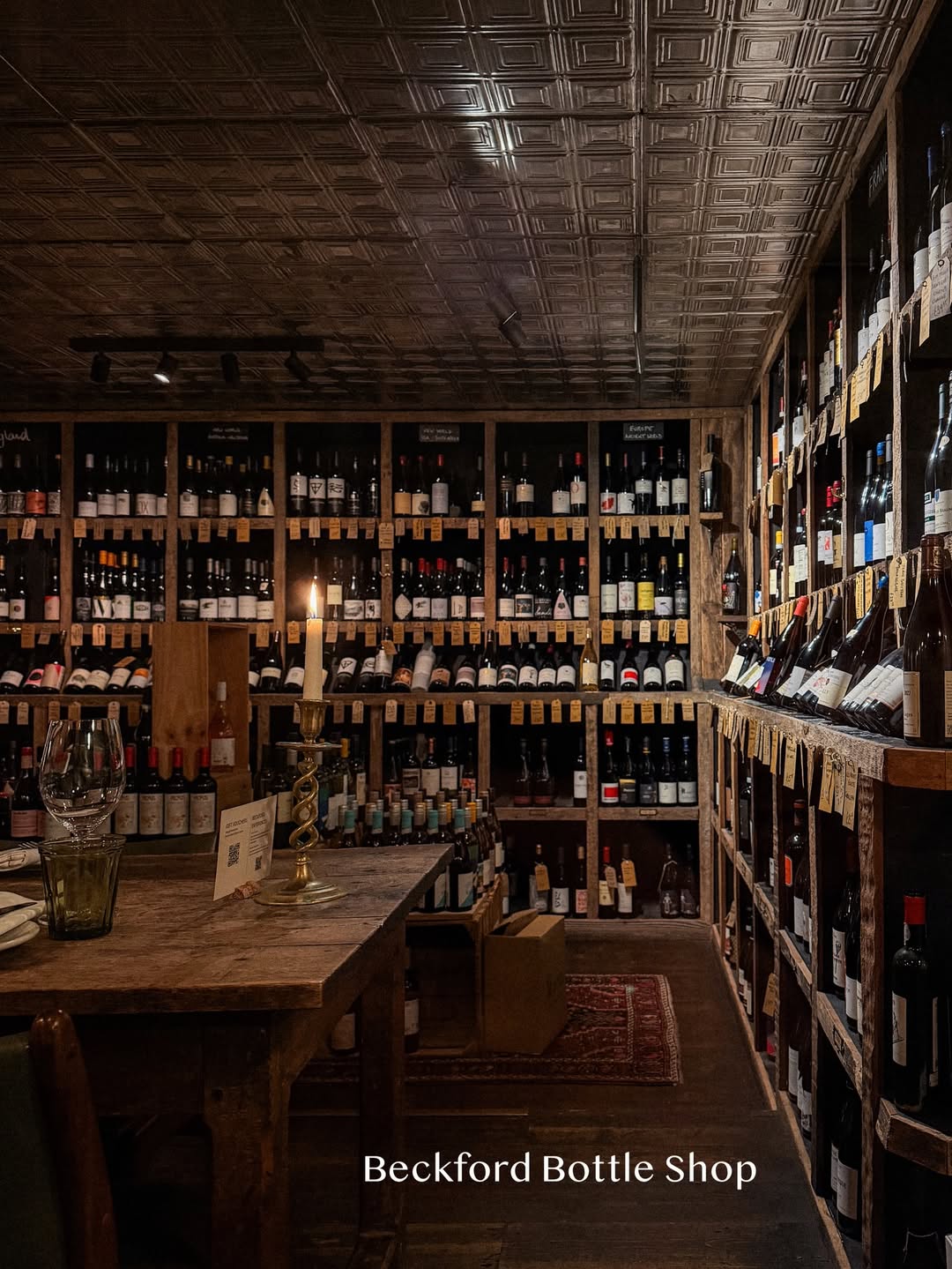
Beckford Bottle Shop – The concept of small plates accompanied by wine is ideal for an evening out.
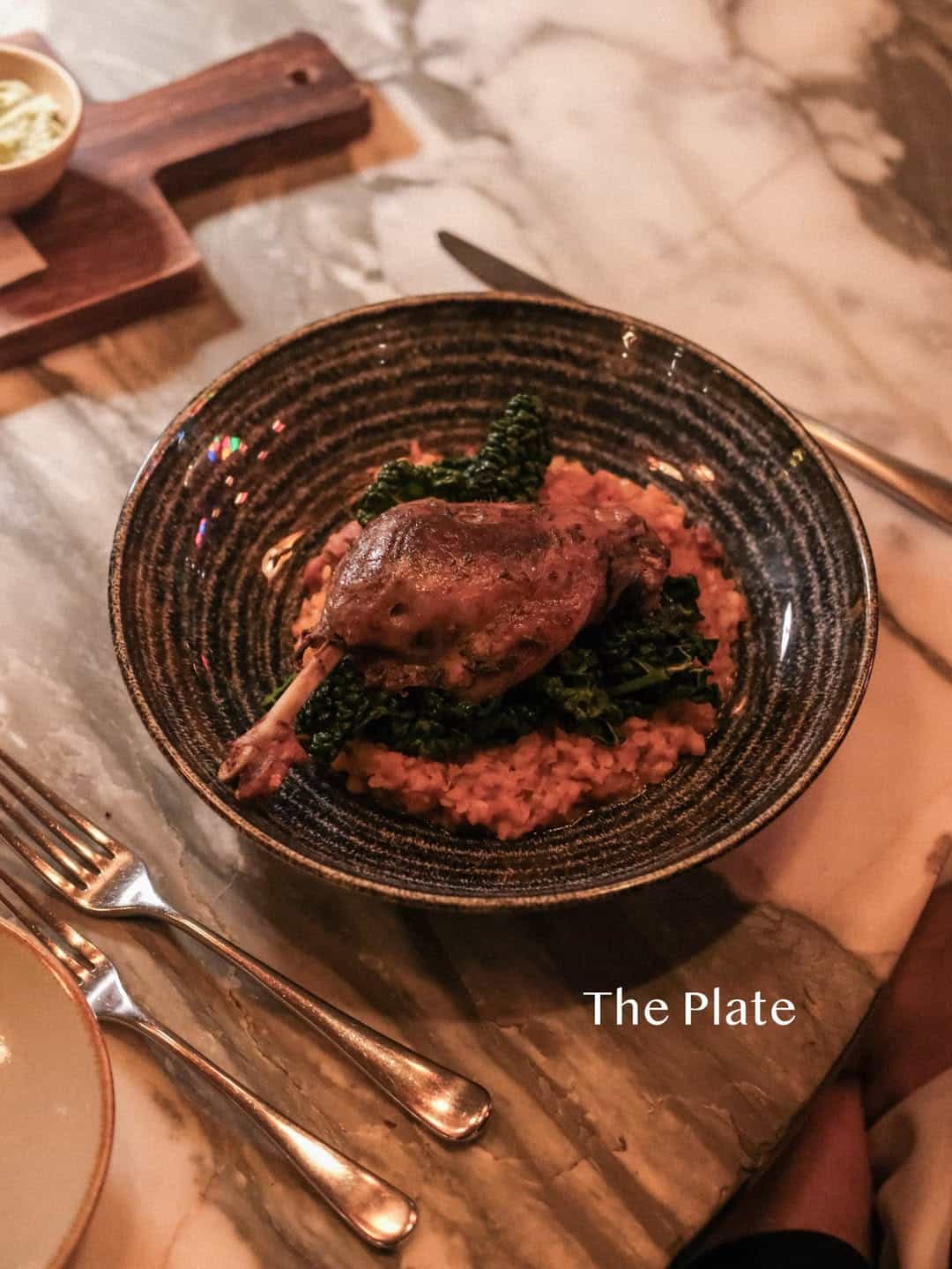
PLATE – A more relaxed and effortless dining experience within the hotel.
Solina Pasta – A quick and satisfying meal with fresh pasta.
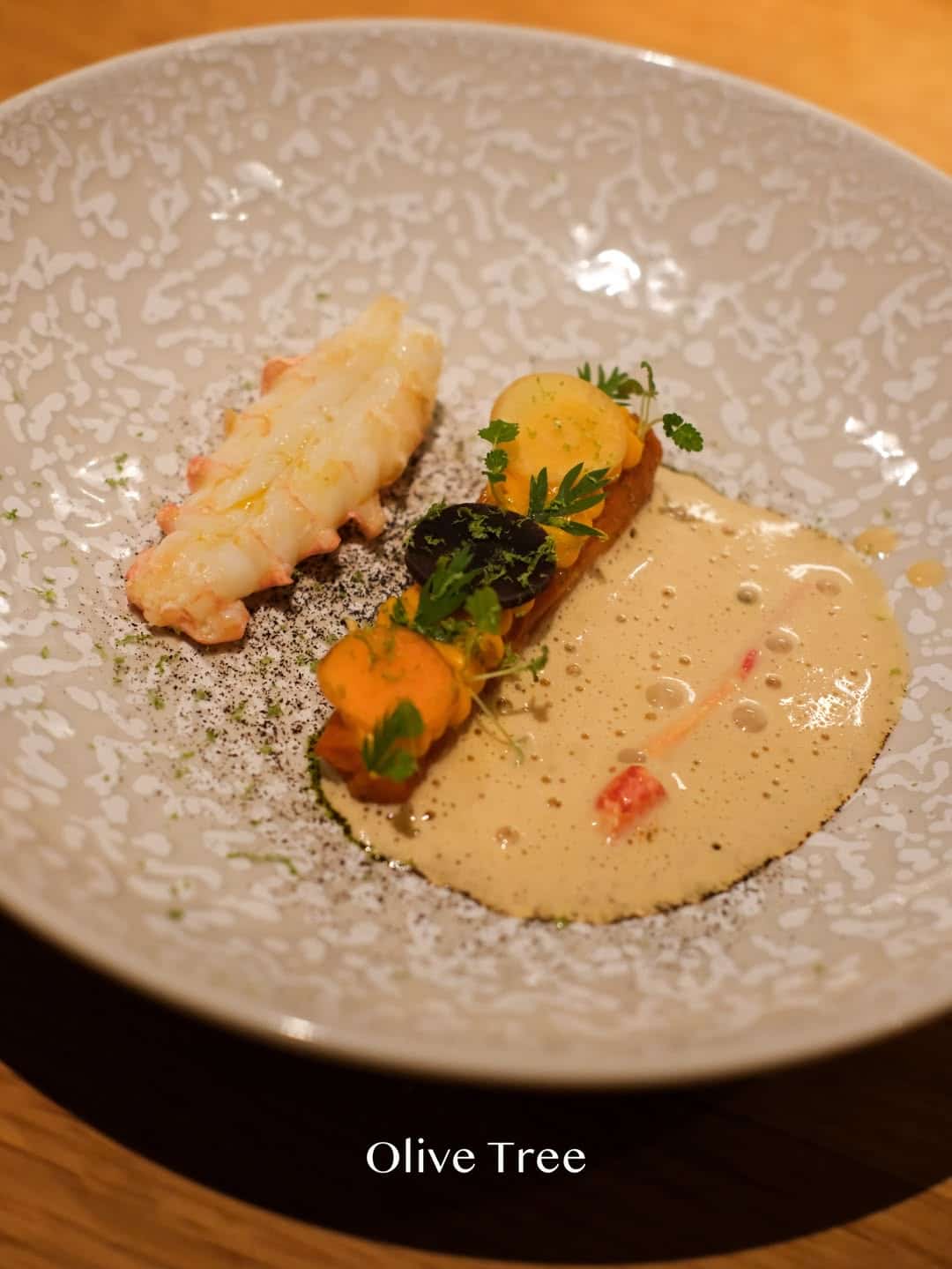
Olive Tree – Bath’s only Michelin-starred restaurant; suitable for special occasions, but expensive.
☕ Cafes
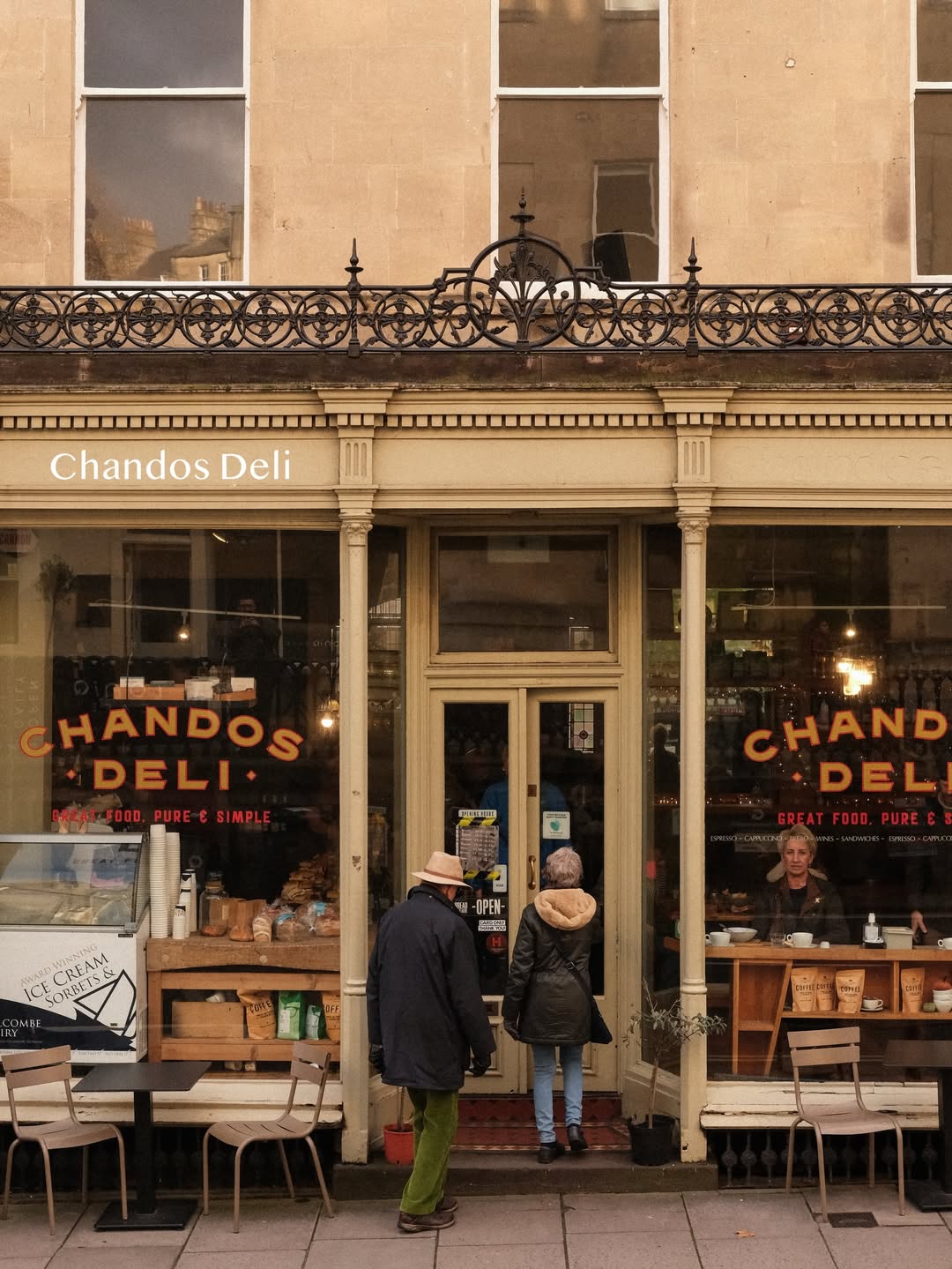
Chandos Deli – Ideal for breakfast, full of local delicacies.
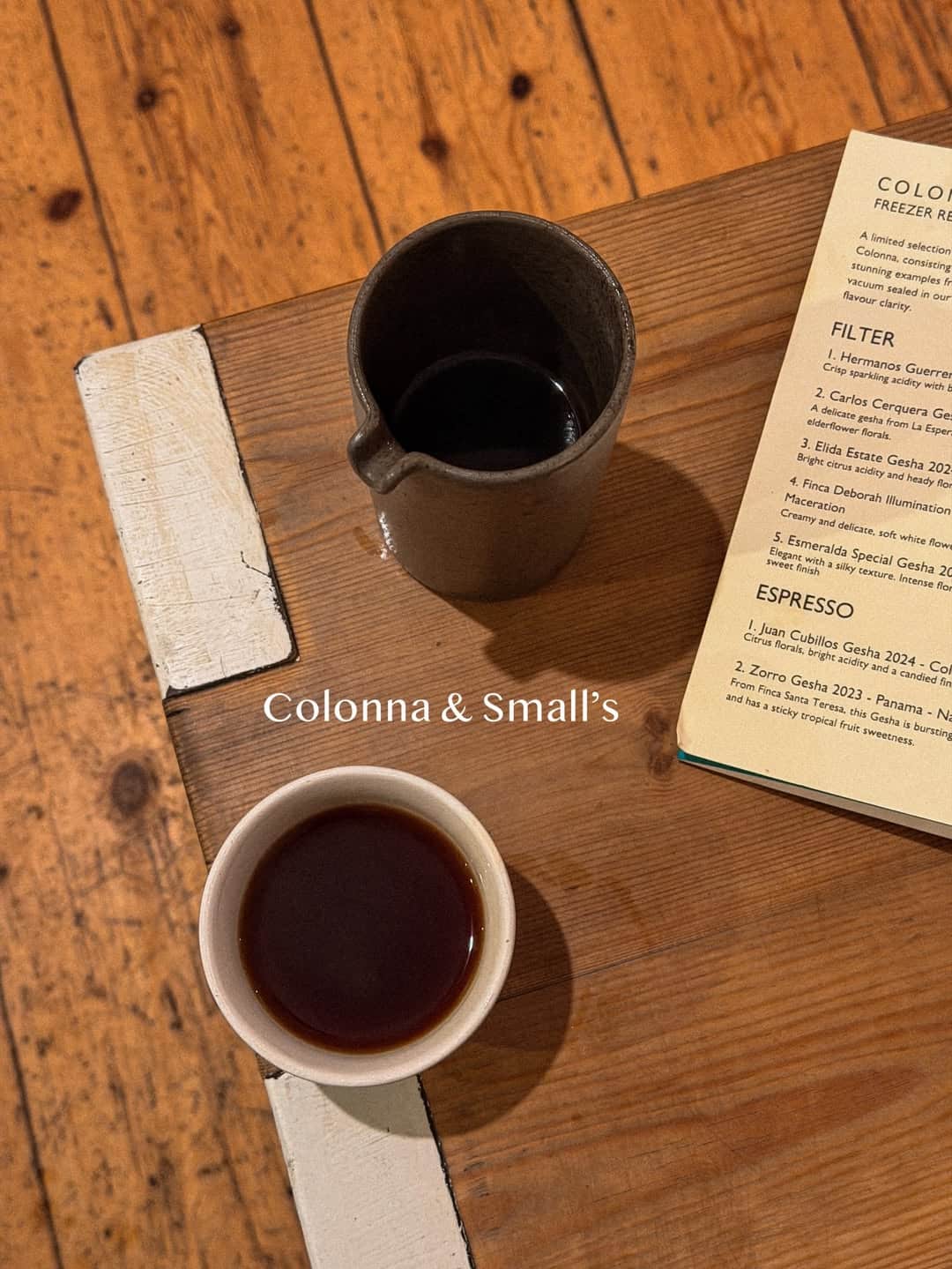
Colonna & Small’s – One of Bath’s best third-wave coffee shops.
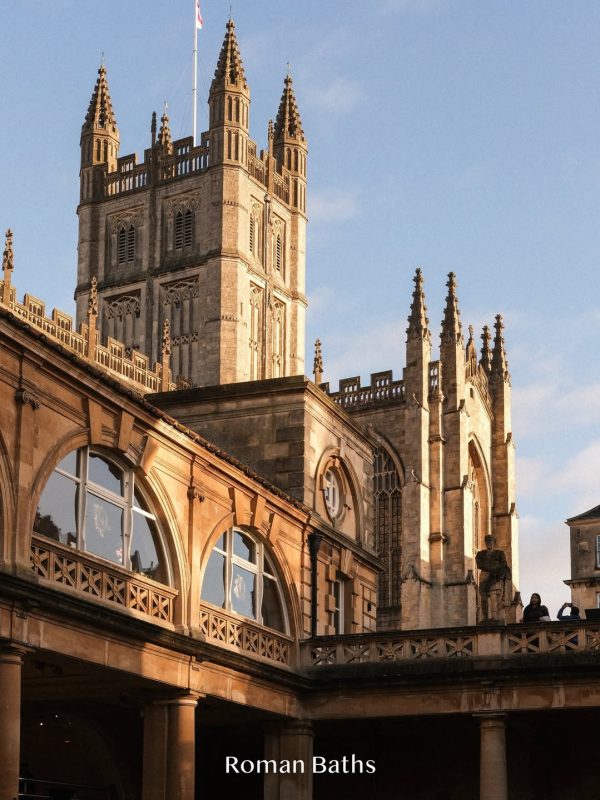
The Roman Baths: The ancient Roman baths are the city’s most famous landmark.
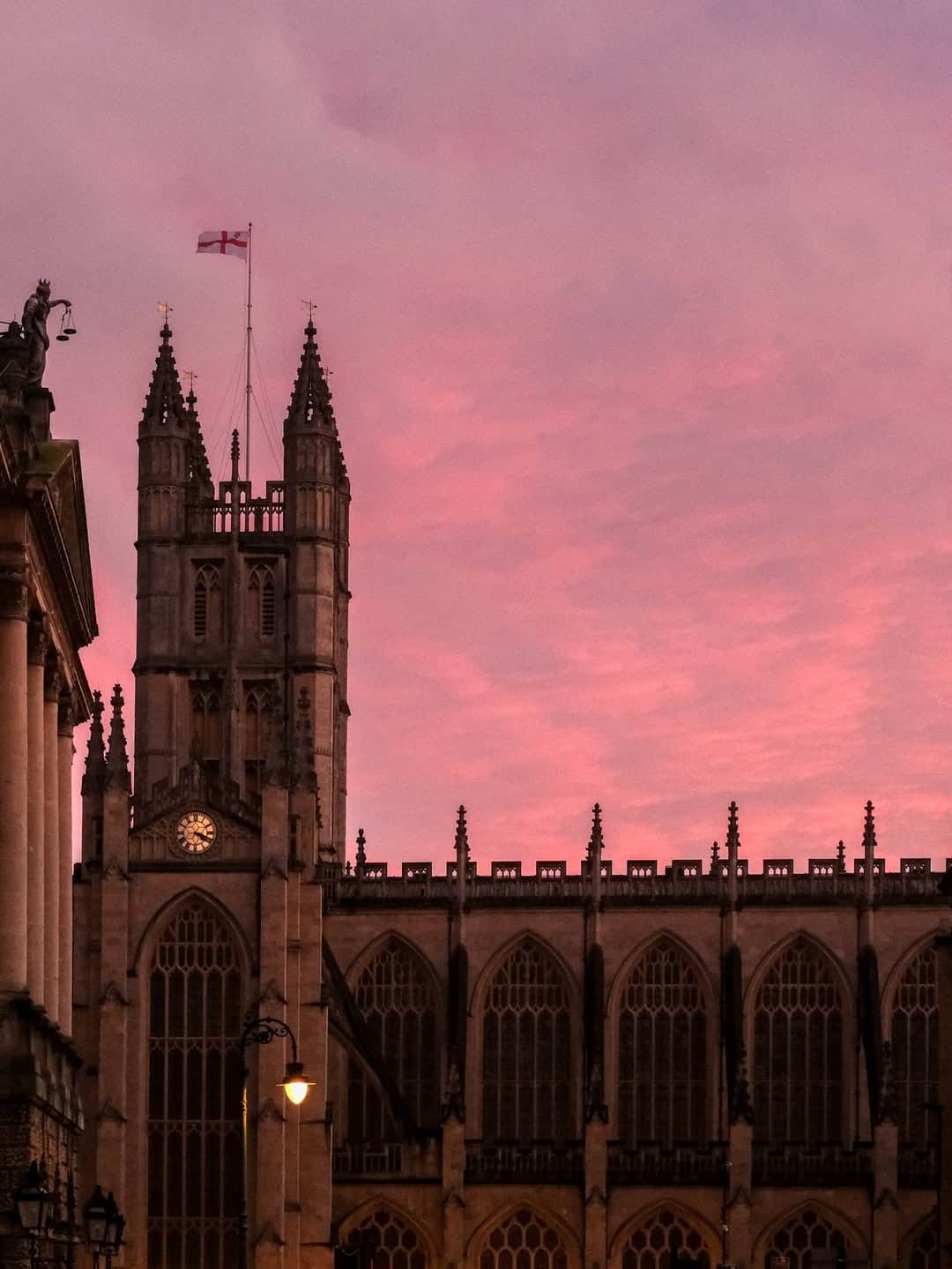
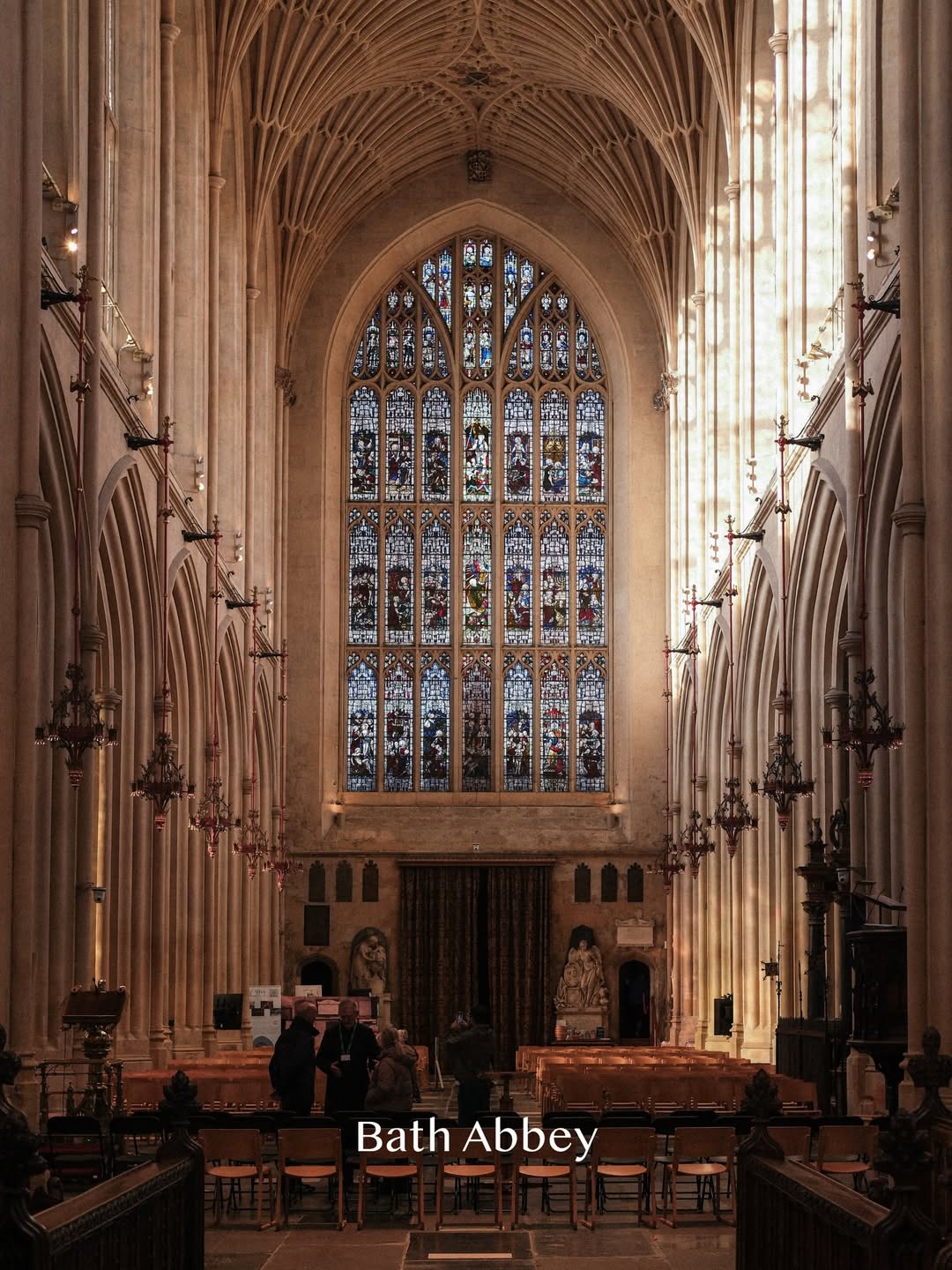
Bath Abbey: A magnificent Gothic church from the 15th century.
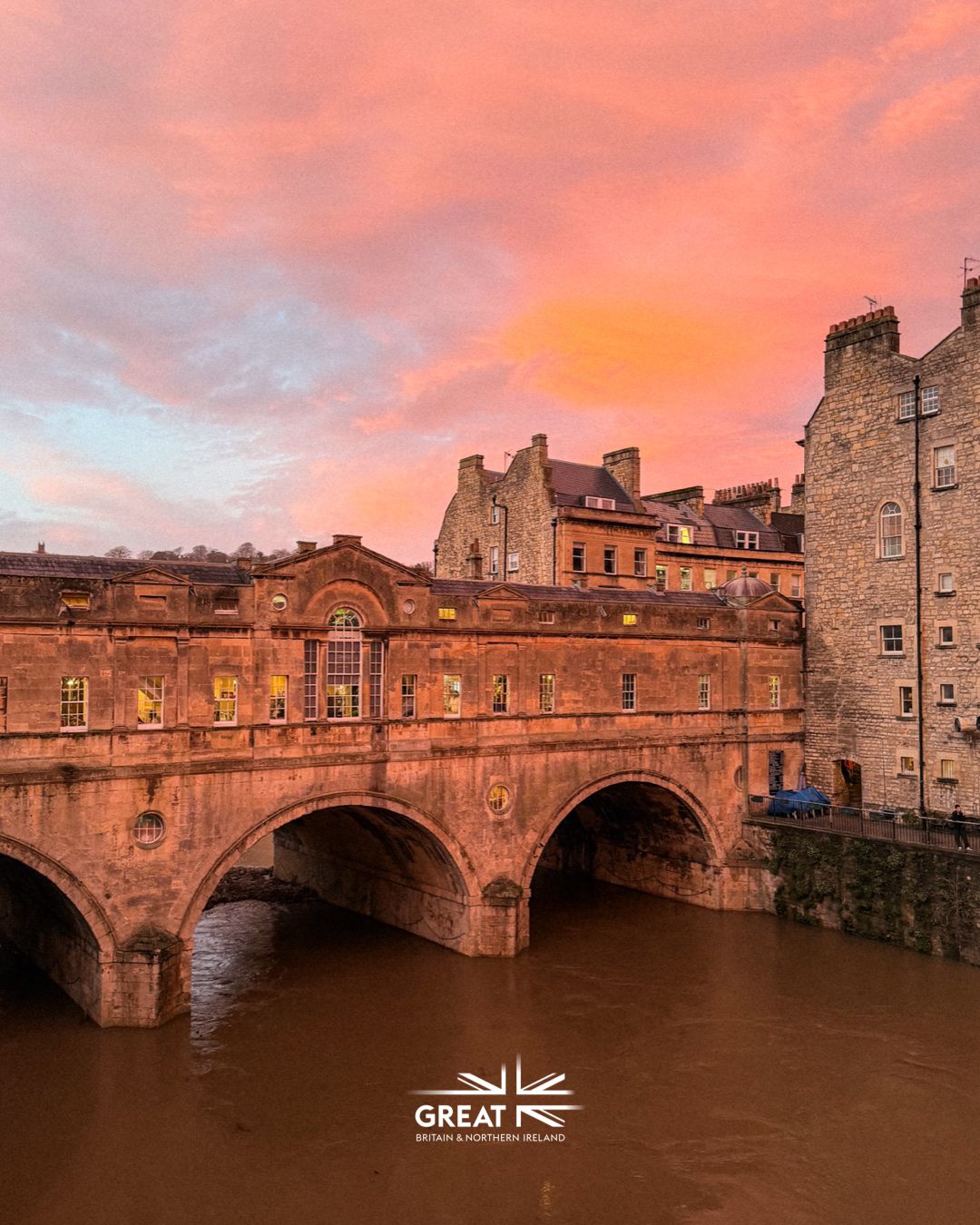
Pulteney Bridge: It is one of the few bridges in the world with shops on it. One of them is located in Bursa.
Prior Park Landscape Garden: One of the most photogenic spots in the city. A garden definitely worth seeing.
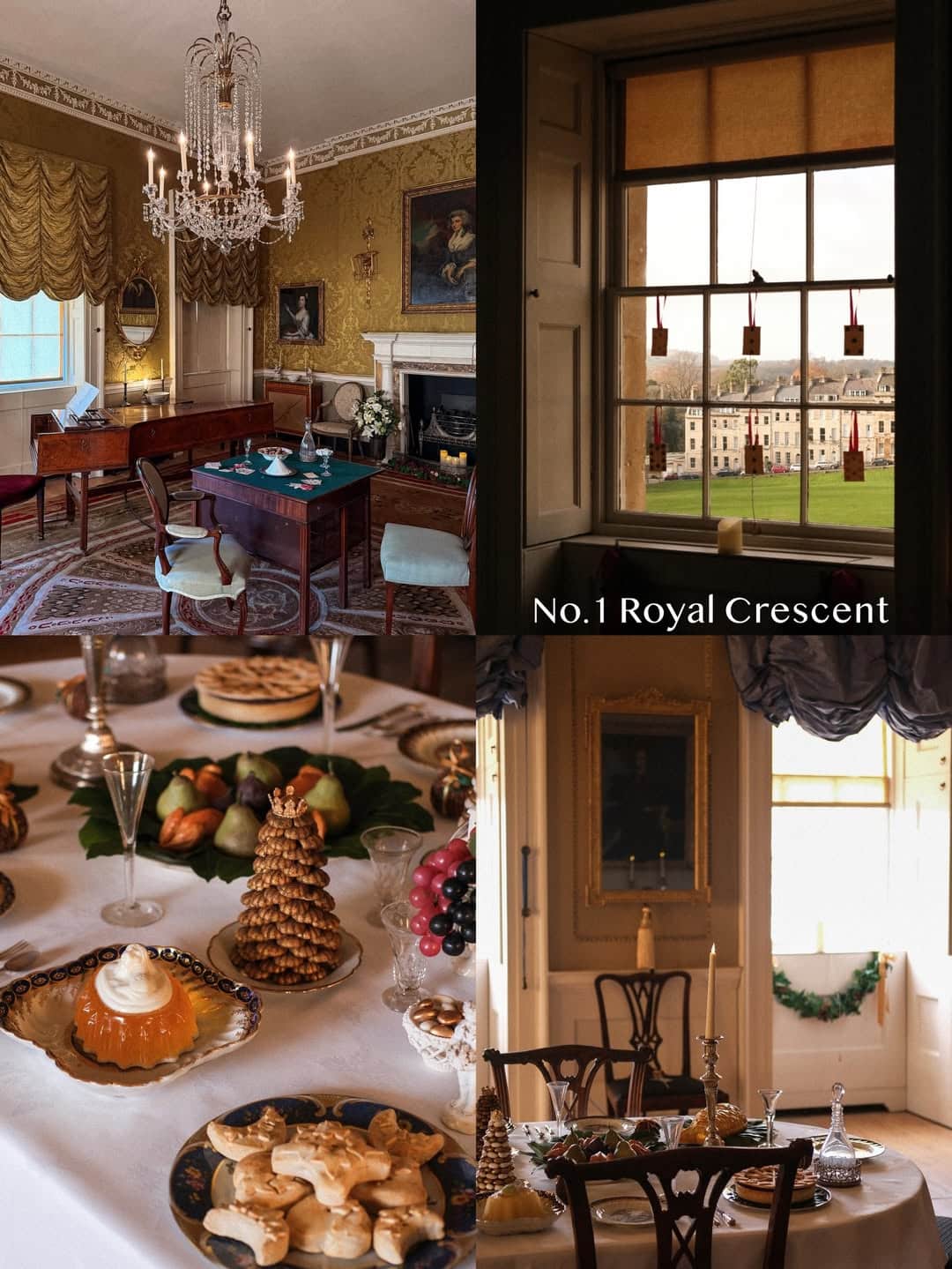
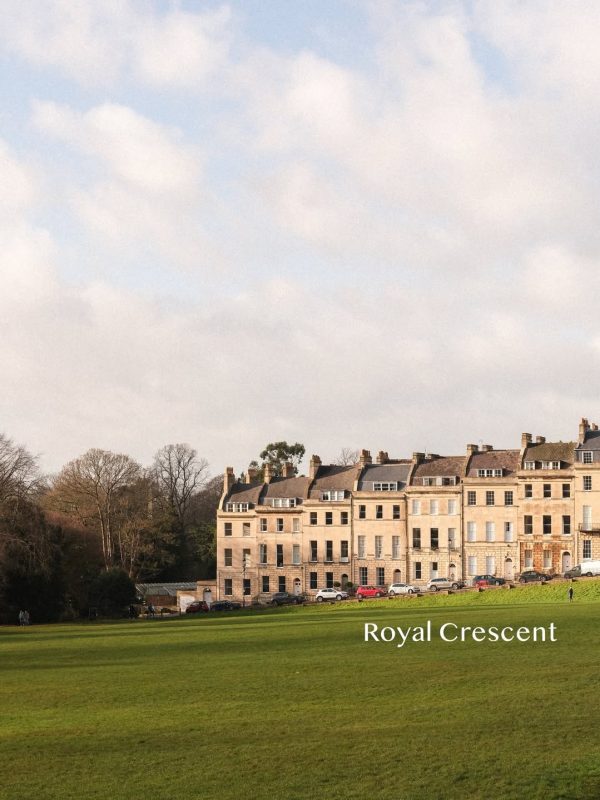
No. 1 Royal Crescent: A museum-house showcasing Georgian lifestyle.
The Circus: Historic residential architecture with a circular layout, like the Royal Crescent.
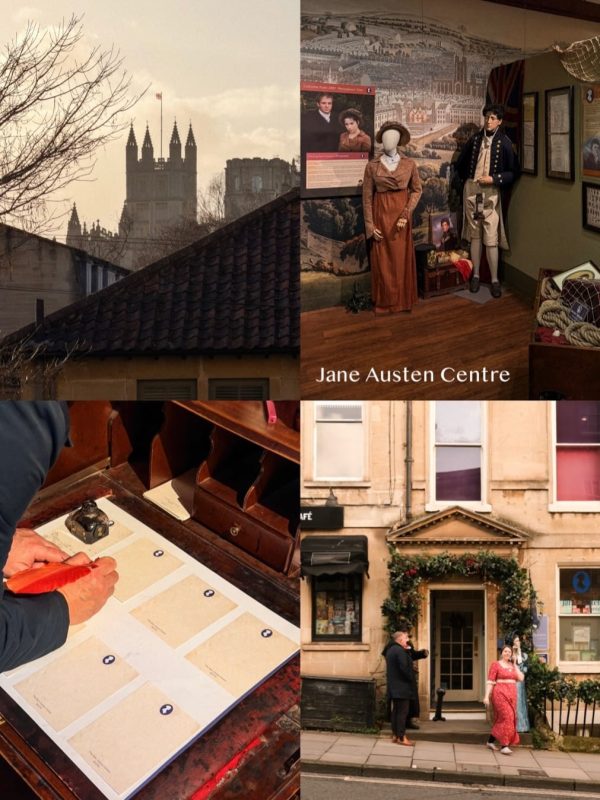
The Jane Austen Centre: A museum dedicated to the life of the famous author Jane Austen in Bath.
Holburne Museum: Beautiful art works filled museum and garden café.
Royal Victoria Park: Opened in 1830, a tranquil park with shaded paths and botanical gardens.
Royal Bath Theatre: A historic theatre where plays have been staged since the 18th century.
Thermae Bath Spa: England’s only natural hot spring.
Bath Skyline: One of the most beautiful spots from which to view the city of Bath from a hilltop.
Victoria Art Gallery: The city’s art gallery; paintings, sculpture and decorative art works are exhibited.
Herschel Museum of Astronomy.
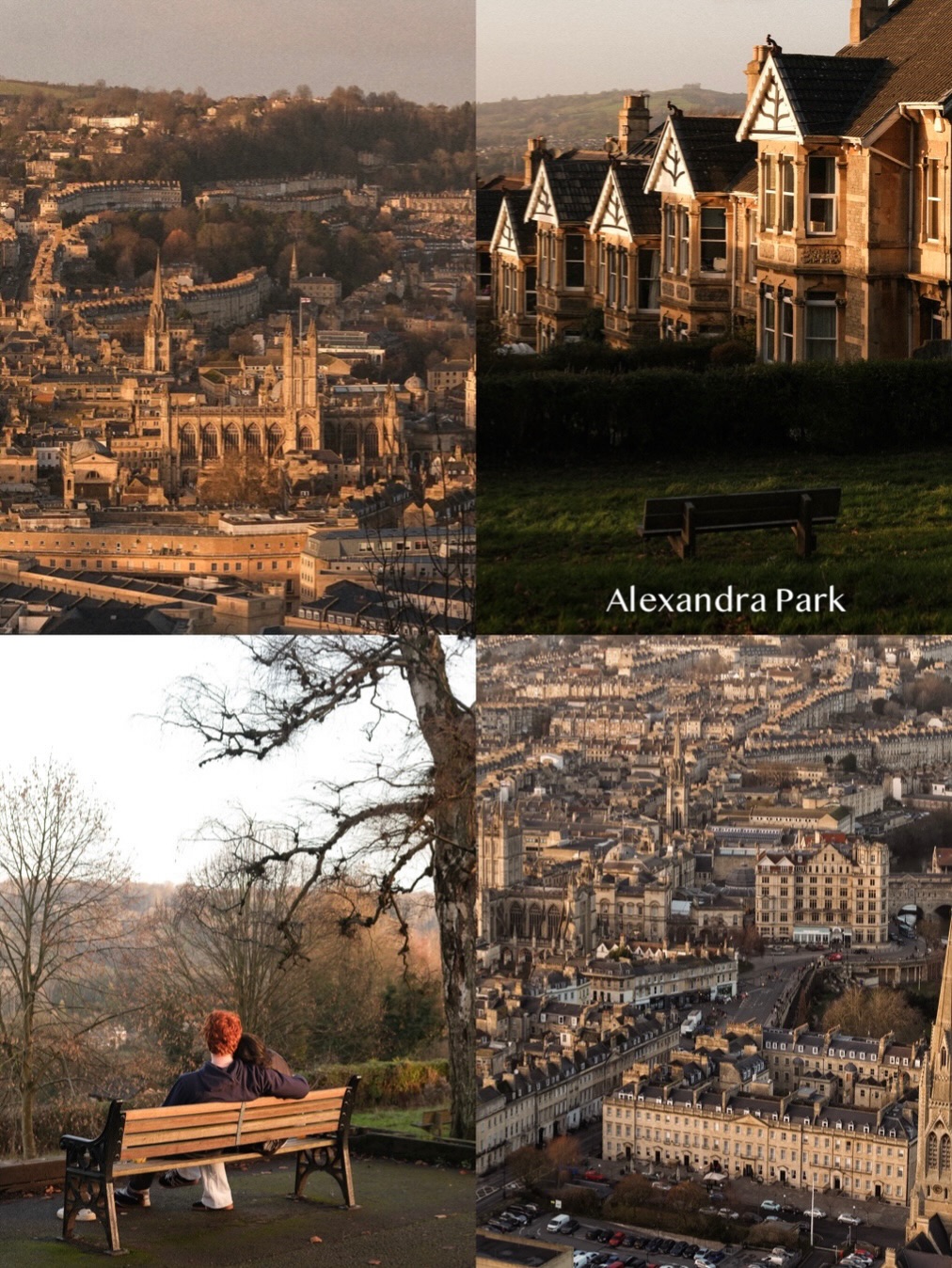
Alexandra Park: The city’s panoramic view from the hilltop park.


With winter sunshine, Christmas markets, and cozy cafes teeming with romance novels, Bath more than deserves two full days. We opted for the Bird Hotel in Bath for our accommodation.
It’s perfectly normal to feel like you’re on the Bridgerton set; many scenes you’ll recognize from the Netflix series were filmed in Bath. The city is so beautiful that the production team must have had an easy time.
Day 1
→ Morning:
• Landrace Bakery, one of the UK’s best bakeries.
• Mokoko Bakery or Taylor’s Bagels
→ Visit before the crowds arrive:
• The Roman Baths
• Bath Abbey
• Pulteney Bridge
→ Lunch
• Beckford Canteen
→ For Architecture enthusiasts:
• The Circus
• Royal Crescent
• No. 1 Royal Crescent
→ An impressive museum:
• The Holburne Museum
City views:
• Alexandra Park
• Bath Lookout
Dinner:
• Upstairs at Landrace — Michelin recommended, fresh pasta & sharing dishes Beckford Bottle Shop — wine + small plates
• The PLATE — Inside the hotel, comfortable and effortless
2. Day
→ Breakfast: Chandos Deli, coffee for Colonna & Small’s
→ Literature & local history
• Jane Austen Centre, which hosts a short presentation on Austen’s life.
→ Nature & long walks
• Palladian Bridge & Prior Park
• Bath Skyline Viewpoint
• Bath Locks
→ Lunch / quick snack
• “La Pizza” at Landrace
• Solina Pasta
→ Christmas season highlights (November–December)
• Bath Christmas Market: around Bath Abbey all streets.
→ Evening meal • The Olive Tree — Bath’s only Michelin-starred restaurant, could be chosen for a special night. The meals were tasty but they were more expensive than necessary .
Banksy Walking Tour
Today, Banksy is one of the world’s most recognizable artists.
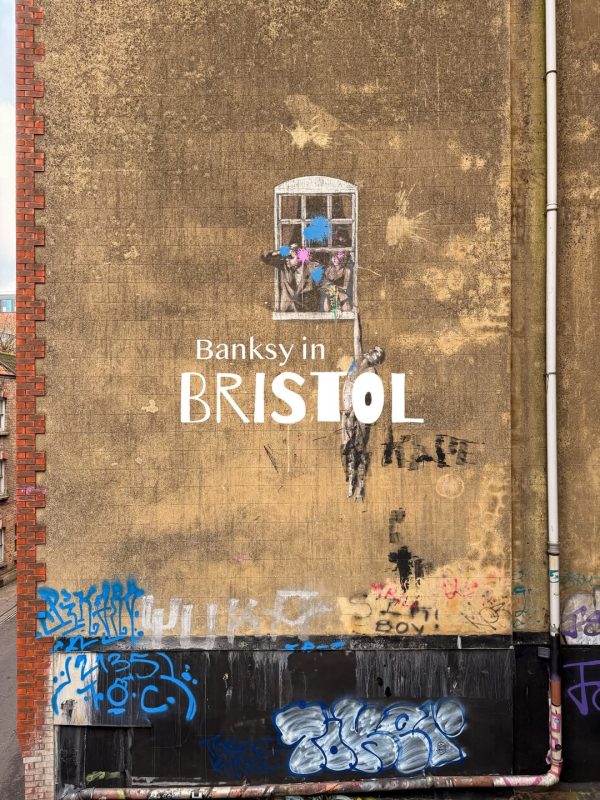
But this story goes back to his youth, when he wandered the streets of Bristol with a can of spray paint. Born in Bristol in 1974, Banksy developed his wall-painting language there, before London, New York, or LA.
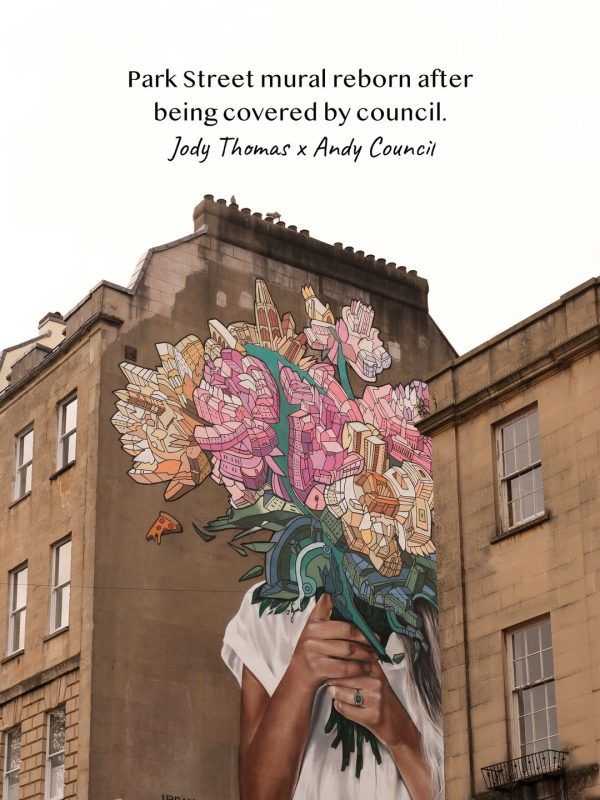
In Bristol, street art isn’t a “tourist attraction”; it’s a natural part of the city’s character. You can still see some of Banksy’s early works in various locations around the city today. One of the most iconic examples, Grim Reaper, was once on the facade of the Thekla nightclub; today it’s on display at M Shed. Banksy’s 2009 exhibition, where he secretly took over the Bristol Museum & Art Gallery, is remembered as one of the moments that transformed the city’s relationship with art. If you want to do a self-taught Banksy tour like we did, you can check it out here.
Museums and Creative Industries
Bristol is, of course, not just Banksy; it’s a city where creative studios like Aardman Animation, maritime history, and alternative culture intertwine.
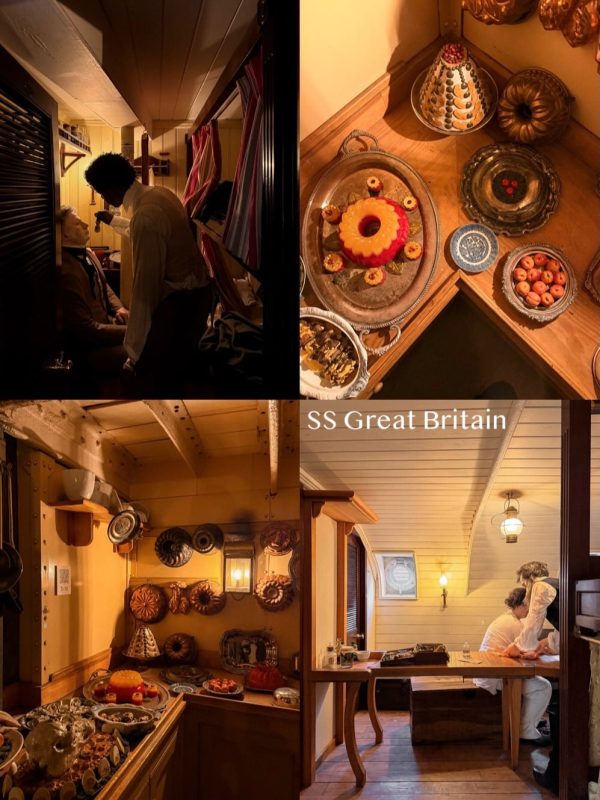
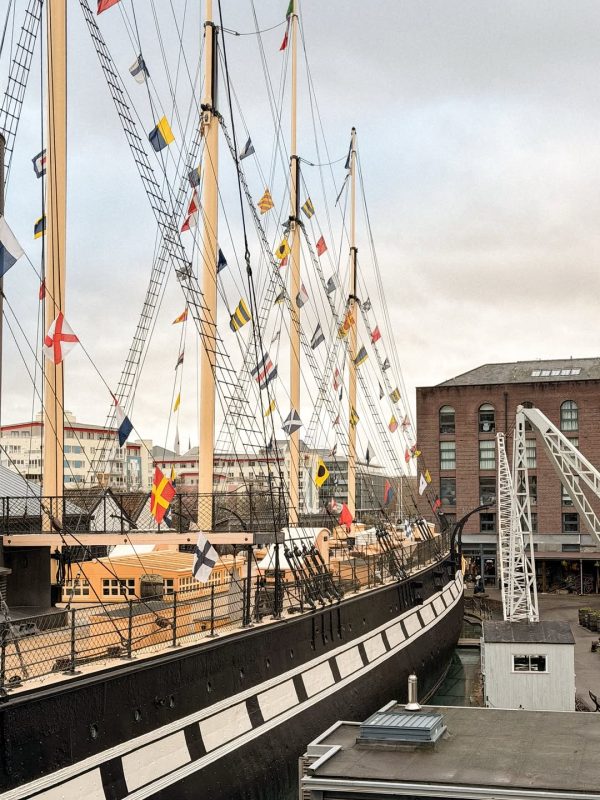
We began our exploration at the SS Great Britain. Designed in 1843 by engineering genius Isambard K. Brunel, it was a landmark in maritime history as the first iron-hulled, propeller-driven ocean liner. Today, the ship, which can be visited as a museum in Bristol Harbour, allows you to see the living spaces and cabins of 19th-century passengers up close. It’s a good first stop to begin our Bristol exploration; we left our car in the museum car park and continued on foot. Our route from there proceeded to M Shed, Bristol Cathedral, and the Bristol Museum & Art Gallery. Along the way, we followed Banksy’s street art.
Bristol is best discovered by walking, admiring the walls, and of course, stopping occasionally for a good meal.
A Great Bakery Recommendation and a Relaxing Lunch
During the short time we spent in Bristol, we have discovered Farro Bakery, is one of the city’s finest bakeries. We tried the scone, babka and cheese filled croissant .
Before heading north, we stopped at Root for lunch. Root is a modern, vegetable-focused Bib Gourmand restaurant located along Bristol’s historic harbour. With its “more veg, less meat” approach, it features a cuisine centered around seasonal produce. Its relaxed atmosphere and delicious food make it a great stop for lunch in Bristol.