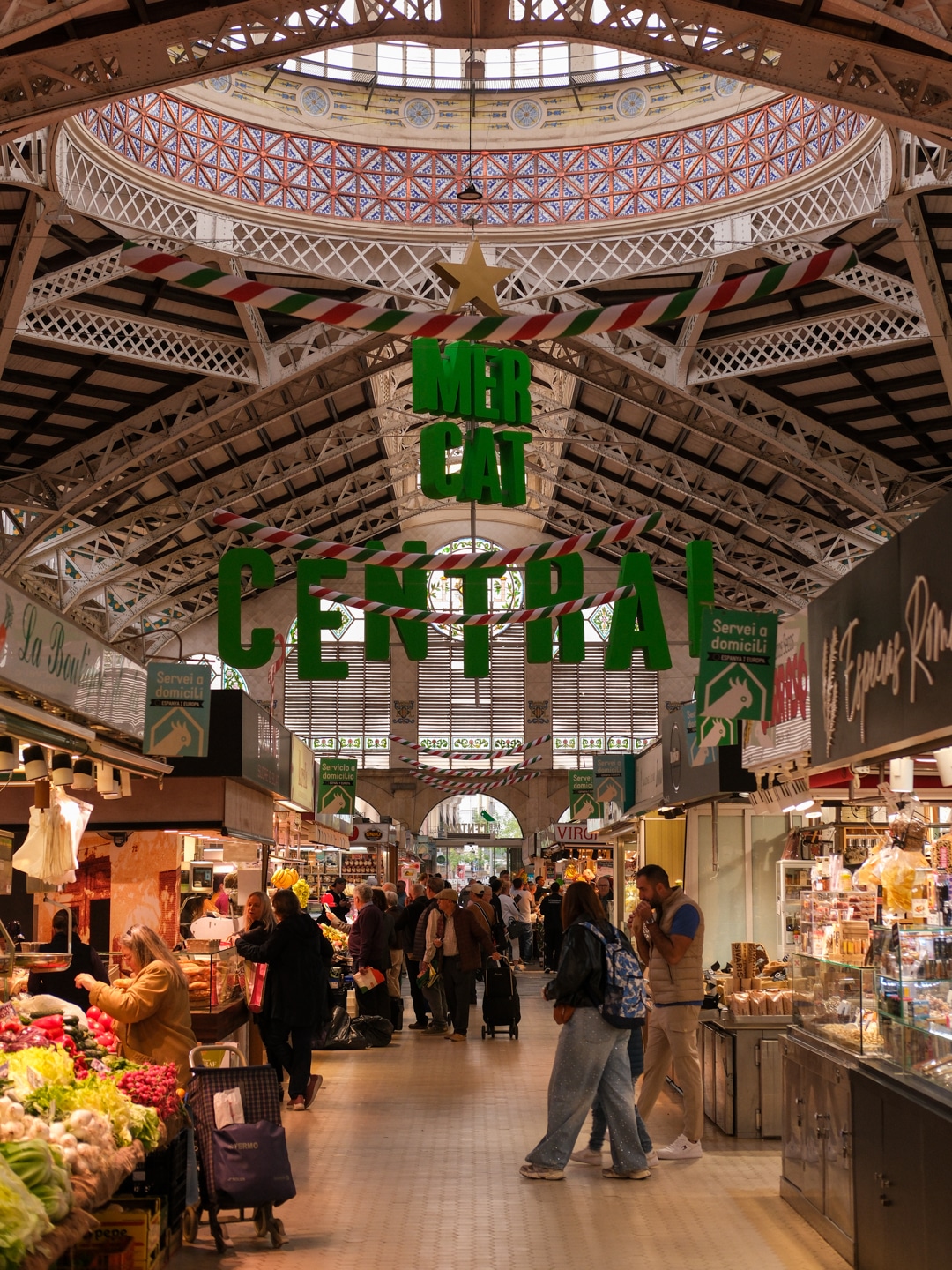
One of the best ways to get to know Valencia is through its cuisine. If you’ve come this far and are reading our recommendations, you’re probably traveling to Valencia in search of good food, just like us. This is the birthplace of paella, but the story doesn’t end with just rice. Fresh produce is available in the markets, and you can find both traditional and contemporary culinary experiences in different neighborhoods of the city. As in all cities, big and small, in Spain, don’t forget to visit the markets; these covered food markets, called mercato, are like the heart of Spanish cities. Of course, the food and drink experiences in the city aren’t limited to these markets. Some evenings you can enjoy more modern dishes at fine dining tables, while other days a small plate of tapas at a bodega stall can be the star of the day.
The following places are our most memorable stops during our time in Valencia. For each, we’ve noted our brief impressions, why you should visit, and who it’s for. Places requiring reservations, more relaxed options, and quick breaks in the market… will be a good starting point when planning your meals in Valencia.
Ricard Camarena Restaurant
One of Valencia’s most impressive fine-dining experiences. Ricard Camarena, one of the city’s two Michelin-starred restaurants, is the signature venue of a chef who is frequently mentioned both in Valencia and throughout Spain. The menu focuses on seasonal Mediterranean produce, and the dishes progress with very clean and distinct flavors without being overly extravagant.
The restaurant is located inside the Bombas Gens art center, in a converted former factory space. It features American walnut paneling, brick walls, and a very serene atmosphere. The space itself is almost part of the experience. The service is calm, and the attention to detail is evident from the very first moment.
The menus present the chef’s ideas, developed over the past few years, with varying intensity. The Ricard Camarena Experience is around 250 euros and is the most comprehensive option. It offers a long, detailed exploration of the culinary world. The Ricard Camarena Route is 220 euros and a slightly shorter but still very satisfying journey. For those who want a more flexible option, there is also the Menu Carte alternative, which starts with three fixed starters and allows you to choose your main course. Pairings can also be purchased separately. In addition to classic wine pairings, creative accompaniments prepared with homemade non-alcoholic beverages are also noteworthy.
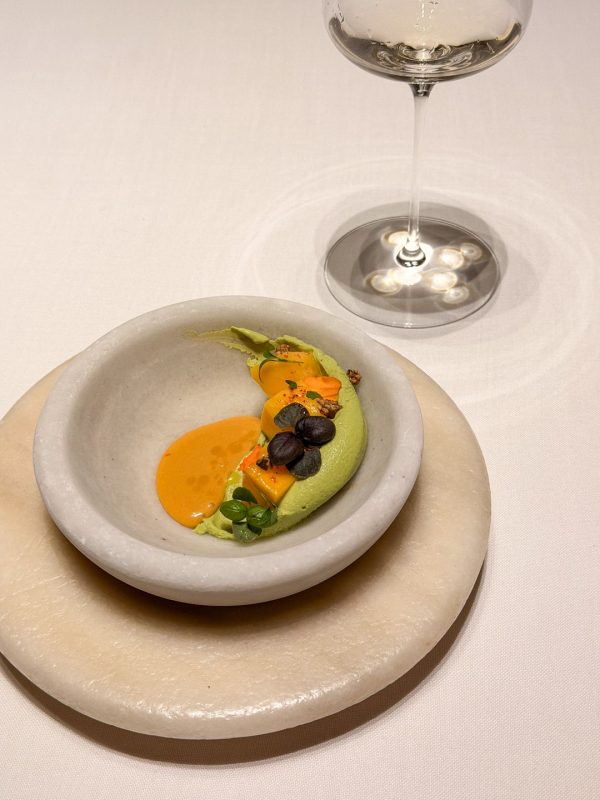
Vegetables and seafood take center stage on the plates. Dishes where ingredients like strawberries, sage, and shrimp come together in surprising harmony; or small appetizers made with smoked and cured products, are among the memorable moments of the menu. What is felt throughout the experience is a respectful relationship established with both the technique and the ingredients.
For those looking for a strong answer to the question of “where to eat best” in Valencia, whether for a special evening, an anniversary, or just because, Ricard Camarena is definitely at the top of the list. Reservations are required, and you need at least two and a half hours to fully appreciate the menu.
Restaurant Napicol
*]:pointer-events-auto scroll-mt-[calc(var(–header-height)+min(200px,max(70px,20svh)))]” dir=”auto” tabindex=”-1″ data-turn-id=”request-WEB:613a9839-1499-4fb8-85f5-1806526650a8-7″ data-testid=”conversation-turn-16″ data-scroll-anchor=”true” data-turn=”assistant”>
In a small village a few kilometers north of Valencia, you’ll find a place that truly embodies the “from soil to table” feeling. At Napicol, a family-run business, agriculture is not on the periphery of the kitchen, but at its very heart. Right next to the restaurant is an organic garden where some of the vegetables used by chef Chemo Rausell are grown. Therefore, the menu is not fixed; it changes frequently according to the season.
Napicol’s cuisine is strongly rooted in tradition. Slow-cooked stews, home-style meals eaten with a spoon, seafood platters selected from the display case, and of course, rice dishes. Here, rice dishes are cooked to order, with a patience worth the wait.
Here we tried a large portion of Paella Valenciana, big enough for two or three people to comfortably share. It’s one of the most traditional dishes on the menu and the recipe considered the “authentic paella” of the region. It contains rabbit, chicken, sometimes duck, snails, olive oil, and Valencian rice cooked with saffron. That’s precisely why it has such a “flavorful” taste.
It might not be to everyone’s taste, especially for those accustomed to seafood paella. The menu also offers seafood and vegetable alternatives, so you can choose paella to suit your own preferences.
Reservations are important. Especially if you want to order paella or rice dishes, you must specify this at least one day in advance when making a reservation. Napicol is the perfect stop for those who come to Valencia and want to experience food not only in the city but also in the region that draws its culinary inspiration.
Toshi Restaurant
In the heart of the city, a bar seating only ten people. No menu, no selection. Only a tasting menu prepared by the chef, and the cuisine blends Japanese techniques with Mediterranean products. The focus is mostly on local vegetables and fish. Balance and flavor are prioritized over ostentation on the plates.
The kitchen’s philosophy is simple: to showcase good ingredients without excessive embellishment, just as they are. The goal is to “serve dishes that delight with their taste, without exaggeration.” While sitting at the counter, you watch the tiny kitchen in the back. The dishes are served instantly.
Some combinations might seem unusual at first glance, but all the dishes we tried were perfectly harmonious. The rice dishes were interesting and unique. However, the real highlight was the fish and seafood. Listening to the team’s wine recommendations was definitely worthwhile. Throughout the experience, there was a friendly, calm, and focused atmosphere.
At Toshi, the tasting menu was 100 euros per person. Reservations are important here too, because it’s really small and tables fill up quickly.
Forastera
*]:pointer-events-auto scroll-mt-[calc(var(–header-height)+min(200px,max(70px,20svh)))]” dir=”auto” tabindex=”-1″ data-turn-id=”request-WEB:613a9839-1499-4fb8-85f5-1806526650a8-10″ data-testid=”conversation-turn-22″ data-scroll-anchor=”true” data-turn=”assistant”>
Named after a loving nickname chef Txisku Nuévalos gave to his wife who is from Bilbao, Forastera is a small but meticulously run restaurant by a friendly couple. The menu is seasonal and based on small producers, adapting to the ingredients available daily and aiming to create powerful flavors with minimal ingredients.
There is no à la carte menu here. You choose one of the surprise tasting menus prepared by the chef. Degustación is a shorter and lighter option. For those seeking a more balanced experience, there is the Tot per l’aire menu, which focuses on the season. Desserts and cheeses also accompany the menu. Drinks are ordered separately, and the same menu is served to the entire table. Note that the kitchen can make adaptations for allergies, but at least 48 hours’ notice is required.
A quick note about Forastera: The restaurant plans to move to Bilbao in 2026, so its days in Valencia are numbered. If you happen to be in the city, it might be nice to try this calm and elegant cuisine prepared with local ingredients.
Hiro Restaurante
This is an address that adapts classic Japanese cuisine to the Valencian pace. The Omakase experience unfolds at a calm rhythm. The fish quality is good, and the presentations are simple. It’s not overly ambitious, but it’s reliable and enjoyable. Hiro Restaurante belongs to the same group as the more traditional Q’Tomas and Barrafina in the same area. The tasting menu is 65 euros, and you can also opt for just the sushi tasting menu. You can find Japanese restaurants even in tiny towns along the coast from Catalonia to Valencia. In general, you can feel a Japanese influence wherever there is access to fresh seafood.
HABITUAL
Ricard Camarena’s more relaxed version. It’s a spacious venue with large portions and Mediterranean-focused dishes that are easy to share. Very practical for lunch. Excellent value for money.
Casa Montaña
Founded in 1836, it’s one of the most iconic addresses in the Cabanyal neighborhood. In its early years, it was a grocery store supplying oil, wine, and spirits to sailors and ships in the harbor, but today it’s a restaurant focused on tapas and wine. Nevertheless, once inside, the giant barrels, marble counter, and wooden planks still retain that old bodega feel.
The cuisine is based on seafood and ingredients from the surrounding gardens. The menu changes seasonally. Local producers, organic options, and regionally sourced ingredients are prioritized. The small plates are simple but very well thought out. Sharing is the best way to enjoy them.
The wine list alone is reason enough. Among nearly six hundred labels, you can find wines from different regions of Spain, as well as a strong selection from Valencia. It’s a delightful place for a short afternoon break or a long tapas night. Reservations are a good idea, especially on weekends.
La Barra de Kaymus | Nacho Romero
In this bar-style restaurant, the dishes are elevated by the chef’s touch. The flavors are bold, and the service is lively. It’s perfect for a quick bite to eat alone or for a longer evening out. We made a reservation for lunch at this restaurant with its intimate atmosphere. From the menu, our favorites were the cocochas pil pil (a dish we really love in the Basque Country), their homemade crispy focaccia with plenty of olive oil, gildas (a type of salad), and the tomato and bonito salad.
Central Bar
Right in the heart of Mercado Central. A quick but good meal amidst the shoppers. Small plates and sandwiches that change according to the day’s produce. A natural break during a market visit.